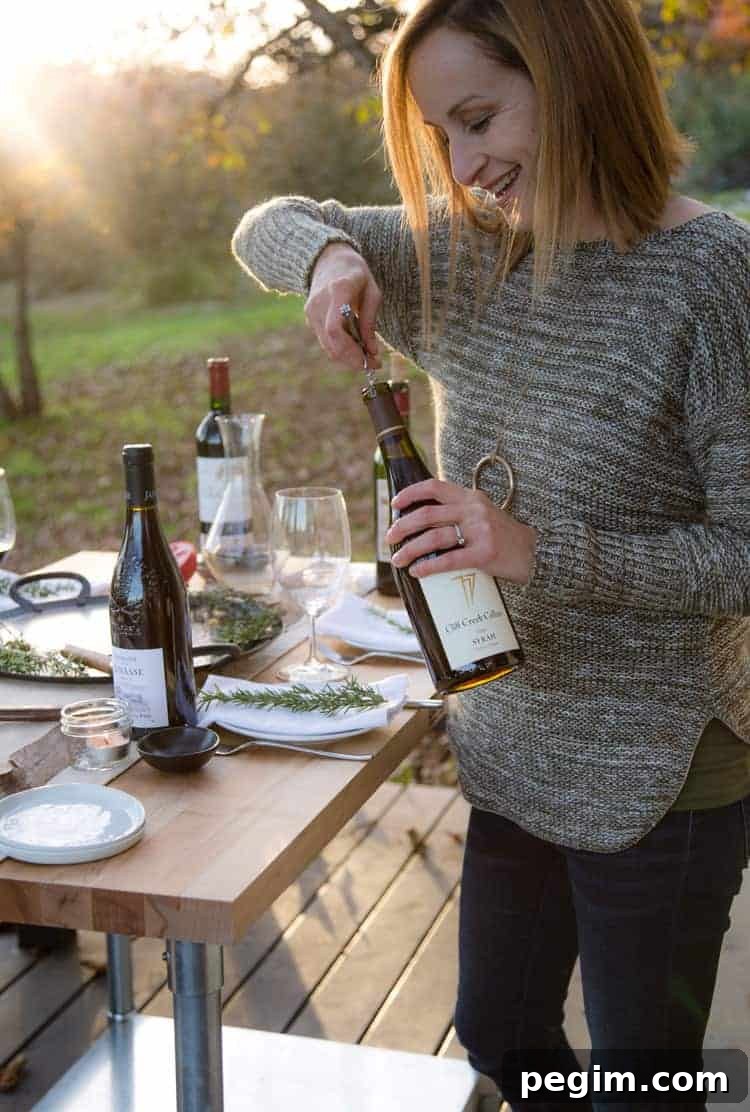
Tasting wine doesn’t have to be intimidating. When you walk into a tasting room, follow a few simple steps to taste wine confidently. The key is to enjoy what your palate appreciates while staying curious about new flavors. This concise guide covers the basics of wine tasting to help you get started.
As a certified sommelier, I developed a consistent tasting routine to evaluate wines and to appreciate the work behind each bottle. Tasting can feel unfamiliar or even daunting at first, and many people wonder why we swirl a glass or pause to smell it. Learning a simple, repeatable process removes the mystery and helps you enjoy wine more. These steps will make tasting approachable and useful whether you’re at a winery, a dinner, or exploring bottles at home.
Table of Contents
- How To Taste Wine
- Sight (“see”)
- Nose (“swirl and sniff”)
- Palate (“sip”)
- Finish (“savor”)
- Definitions
- What To Expect At Wineries
How To Taste Wine
Many instructors refer to the five S’s: see, swirl, sniff, sip, and savor. Those are a helpful framework, but it’s more useful to understand the purpose of each step and what to look for. Below is a practical approach you can use every time you taste.
Sight (“see”)
Hold the glass by the stem and position it at eye level. Look for clarity (is it clear or cloudy?), color intensity, and any sediment. Color can indicate variety, winemaking choices, or age: young red wines often show purple tones while older reds shift toward brownish hues; white wines sometimes darken to amber as they age. Sediment is not a defect — many unfiltered wines or older bottles develop particles, which are normal.
Nose (“swirl and sniff”)
“Nose” refers to the wine’s aromas. Keep your hold on the stem and give the glass a gentle swirl — you can rest the base on a table to avoid spills. Swirling releases aromatic compounds and lets the wine breathe. Bring your nose to the rim and inhale. Early on it’s fine if you simply identify “wine”; with practice you’ll begin noticing specific scents such as green apple, ripe pear, blackberry, leather, spice, or floral and mineral notes.
Old World wines (European) often emphasize earthy, mineral, or savory characters, while New World wines (Americas, Australia, etc.) can highlight riper fruit-forward aromas. Use the nose to discover traits you enjoy or dislike; this guides your later purchase choices and personal preferences.
Palate (“sip”)
Take a modest sip — about ¼ to ½ ounce — and let it move across your mouth. Do not swallow immediately. Pay attention to:
- Sweetness: Is there noticeable residual sugar, or is the wine dry?
- Aromas vs. flavors: Do the flavors in your mouth match what you smelled?
- Body: Is the wine light, medium, or full-bodied (think skim milk versus whole milk)?
- Tannin (for reds): Does the wine make your mouth feel dry, astringent, or slightly rough? That’s tannin, present from skins and sometimes stems.
- Your preference: Do you like it?
If you’re tasting many wines in one session, spitting is a common and practical choice. If you plan to continue visiting wineries, spitting preserves your ability to evaluate later samples accurately. If you prefer, you can take a small swallow and then discard the rest.
Finish (“savor”)
Finish describes how long the wine’s flavors linger after you swallow or spit. A long, pleasant finish often suggests higher quality and greater complexity. Use this moment to decide if the wine suits your palate and whether you’d like to purchase it. Remember: professional scores and others’ opinions don’t override your own taste. If you don’t enjoy a wine, say so politely — tasting-room staff expect honest feedback and can usually recommend alternatives based on your preferences.
Professionals often spit during formal tastings to stay objective over many samples. Asking for a spit bucket at a winery is perfectly acceptable and not rude.
Definitions
Here are a few common terms you’ll hear while tasting:
- Variety – A specific grape type, such as Pinot Noir or Chardonnay.
- Varietal – A wine made primarily from a single grape variety and often labeled by that grape in New World regions.
- Blend – A wine made from multiple grape varieties combined.
- Reserve – A non-standard label term often used to denote a winery’s higher-end bottling; definitions vary by producer.
- Estate – Grapes grown on the winery’s own property.
- Tannin – A compound from grape skins, seeds, and stems that creates a drying or astringent sensation; it softens with age.
- Whole Cluster – A winemaking technique where grapes are fermented with stems left intact, affecting texture and aroma.
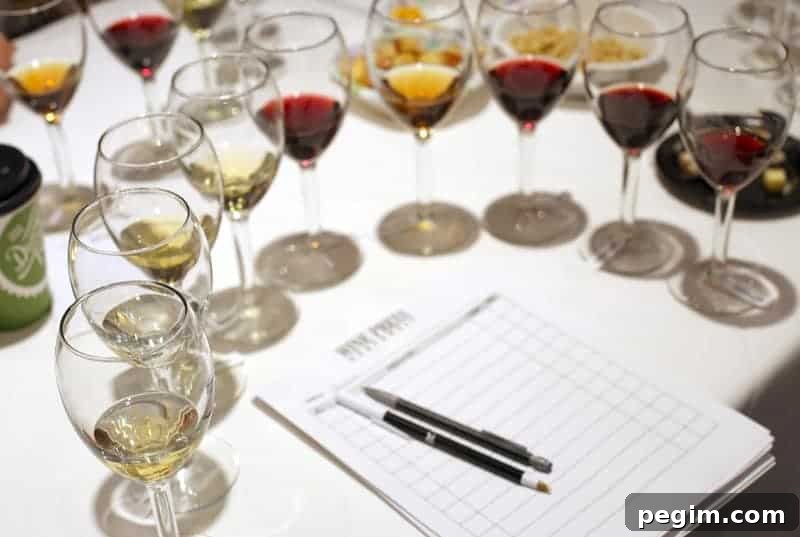
What To Expect At Wineries
Research
Before you head out, check winery hours and reservation policies. Many tasting rooms require appointments or have limited hours. Planning ahead ensures you won’t arrive to find the door closed.
Hours: Wineries often list tasting hours and reservation requirements on their sites. Verify before you go.
Tasting Fees: Many wineries charge a tasting fee to cover the cost of opened bottles and staff time. Fees vary by region and producer; many wineries waive or credit the fee with a qualifying bottle purchase.
Tasting
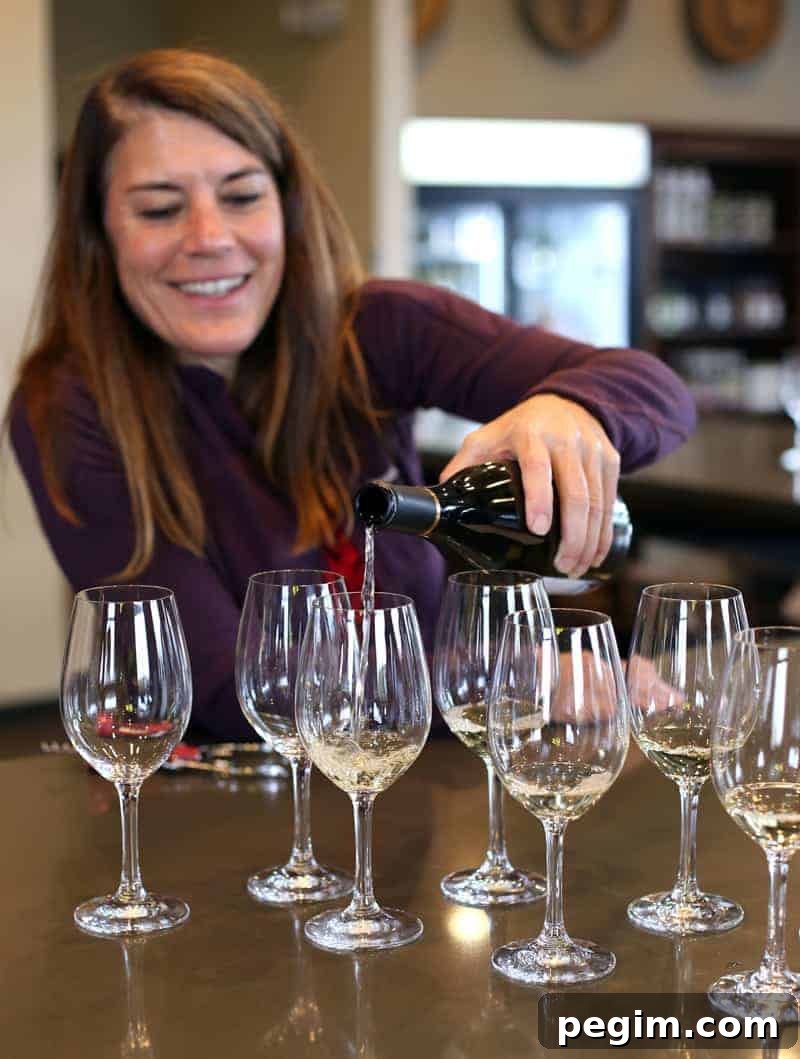
Flights: A tasting fee typically includes a flight — a curated set of samples (commonly 3–6 wines). Staff will explain the selection and pour sizes. Policies differ between tasting rooms, so expect variation in how flights are presented.
Sample Size: Samples are small, about 1 ounce each, enough to evaluate structure and flavor. Taste slowly and deliberately. If you’re visiting multiple wineries, use the spit bucket to stay fresh.
Buying Wine
Don’t feel obligated to buy. Purchase based on what you enjoy, not pressure. If a tasting-room employee makes you feel uncomfortable, you’re not obliged to return — hospitality should be welcoming and informative.
Be honest about your experience level. If you’re new to wine, say so. Good staff will welcome questions, explain tastings, and suggest wines that match your preferences.