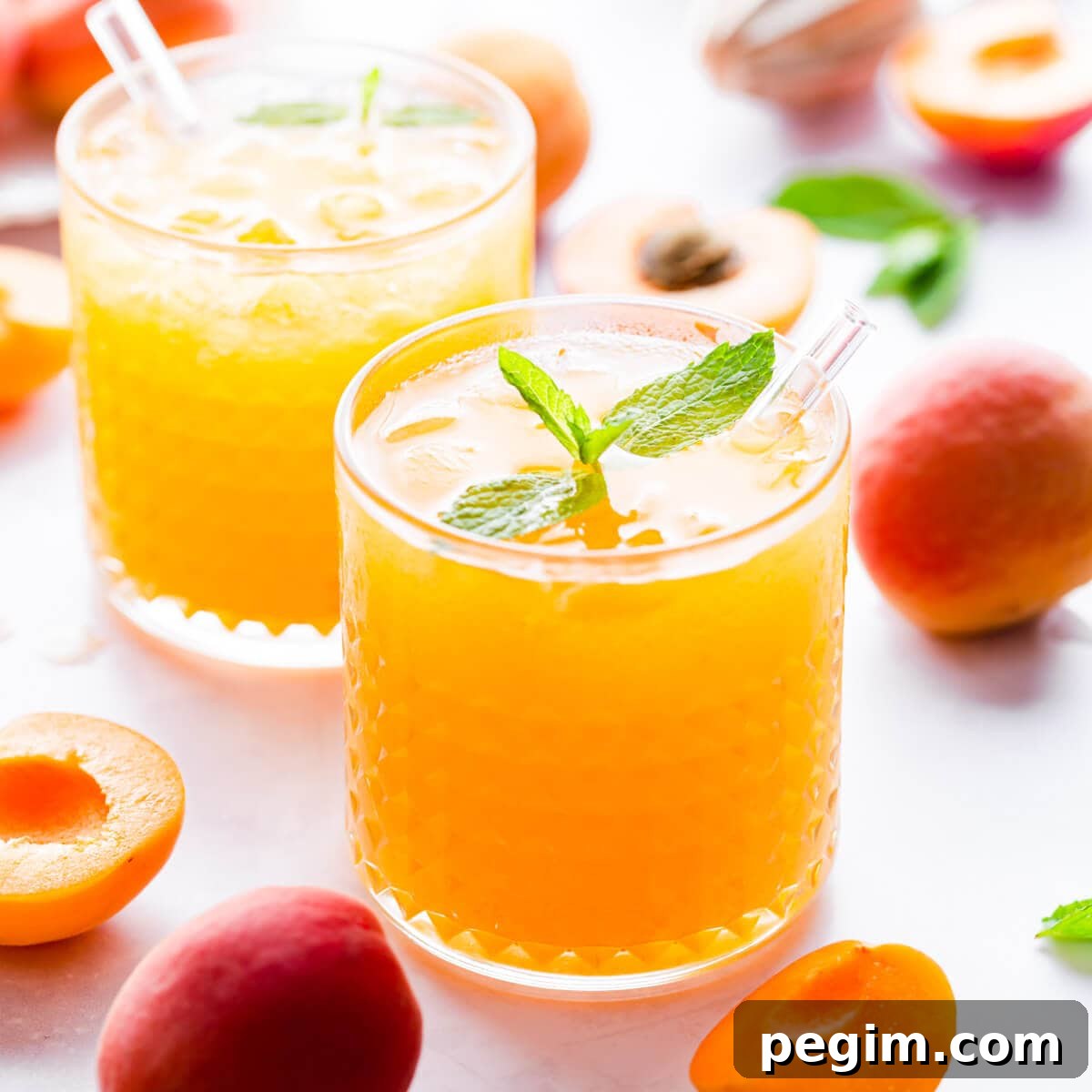
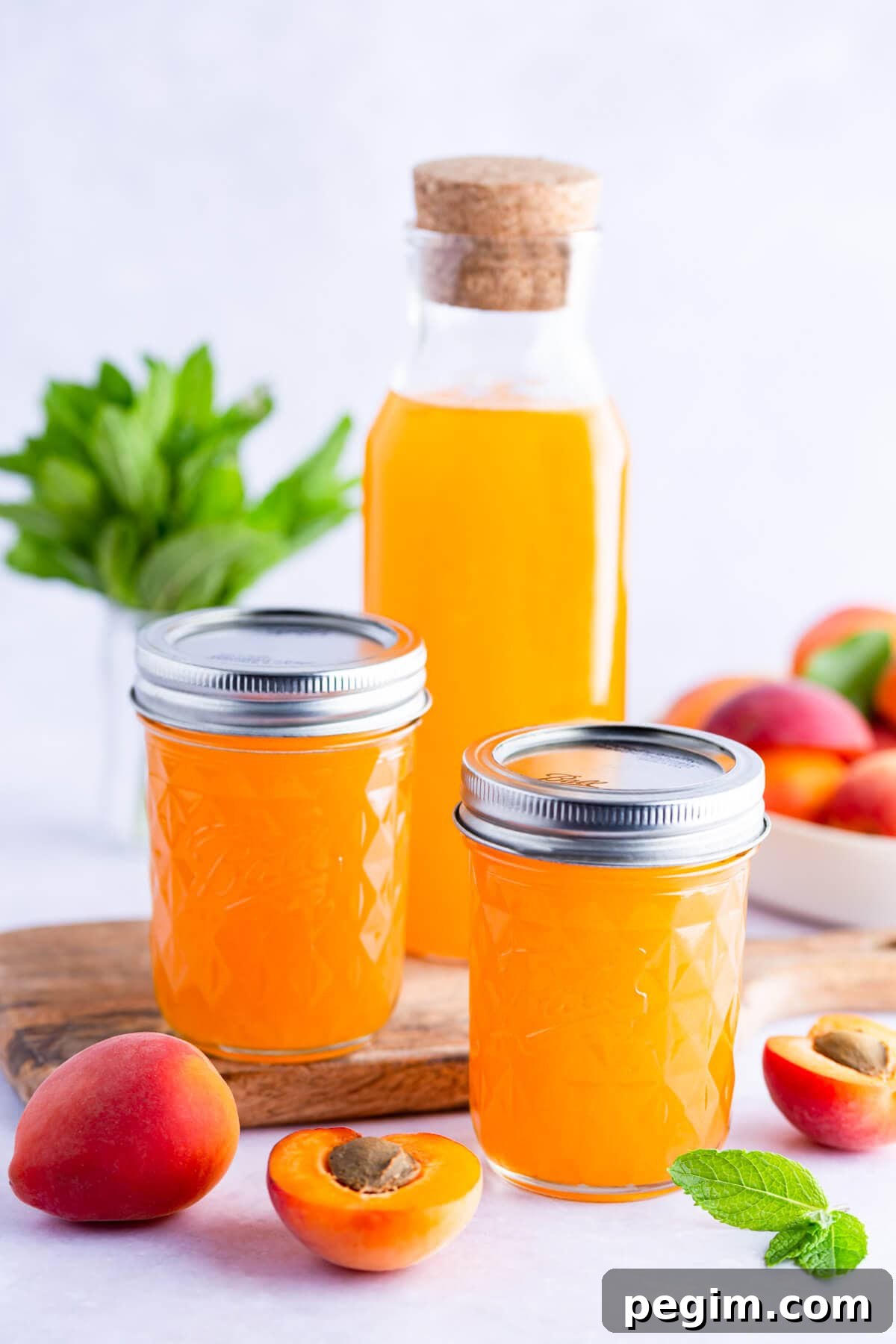
This easy, quick homemade apricot nectar is the perfect way to cool down on a hot summer day. It’s also excellent in cocktails and mocktails, and when preserved correctly can keep for up to six months.
If you’ve never cooked with apricots or made nectar at home, this recipe is an ideal place to start. It yields about one litre of sweet, refreshing nectar that can be enjoyed fresh or preserved to enjoy all year round.
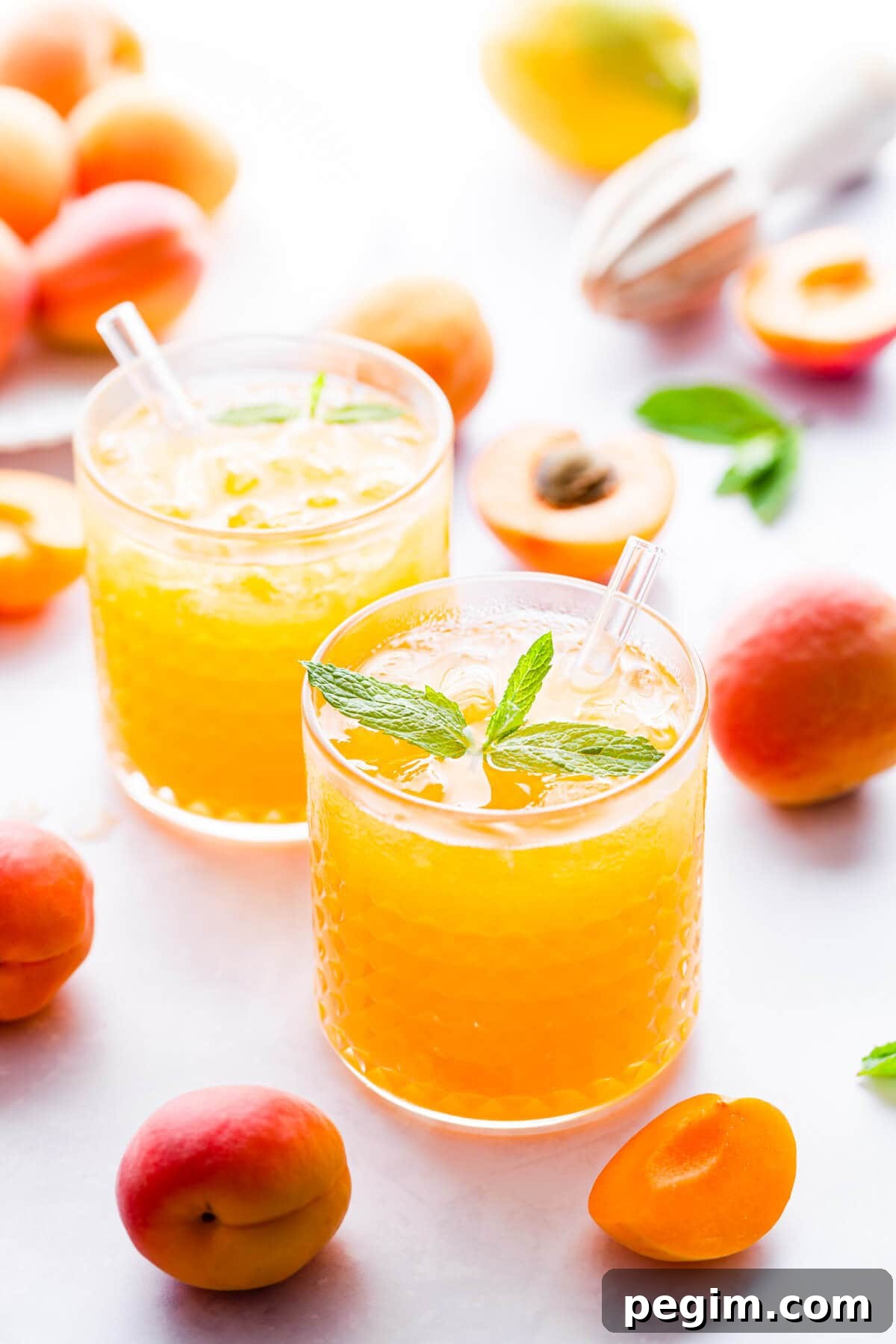
With apricot season at its peak, this nectar is a great way to showcase the fruit’s sweet, floral flavor. If you want other stone-fruit ideas, consider a brown sugar peach galette or a summer peach cobbler—simply swap peaches for apricots.
Ingredients
You only need a few basic ingredients for this apricot nectar:
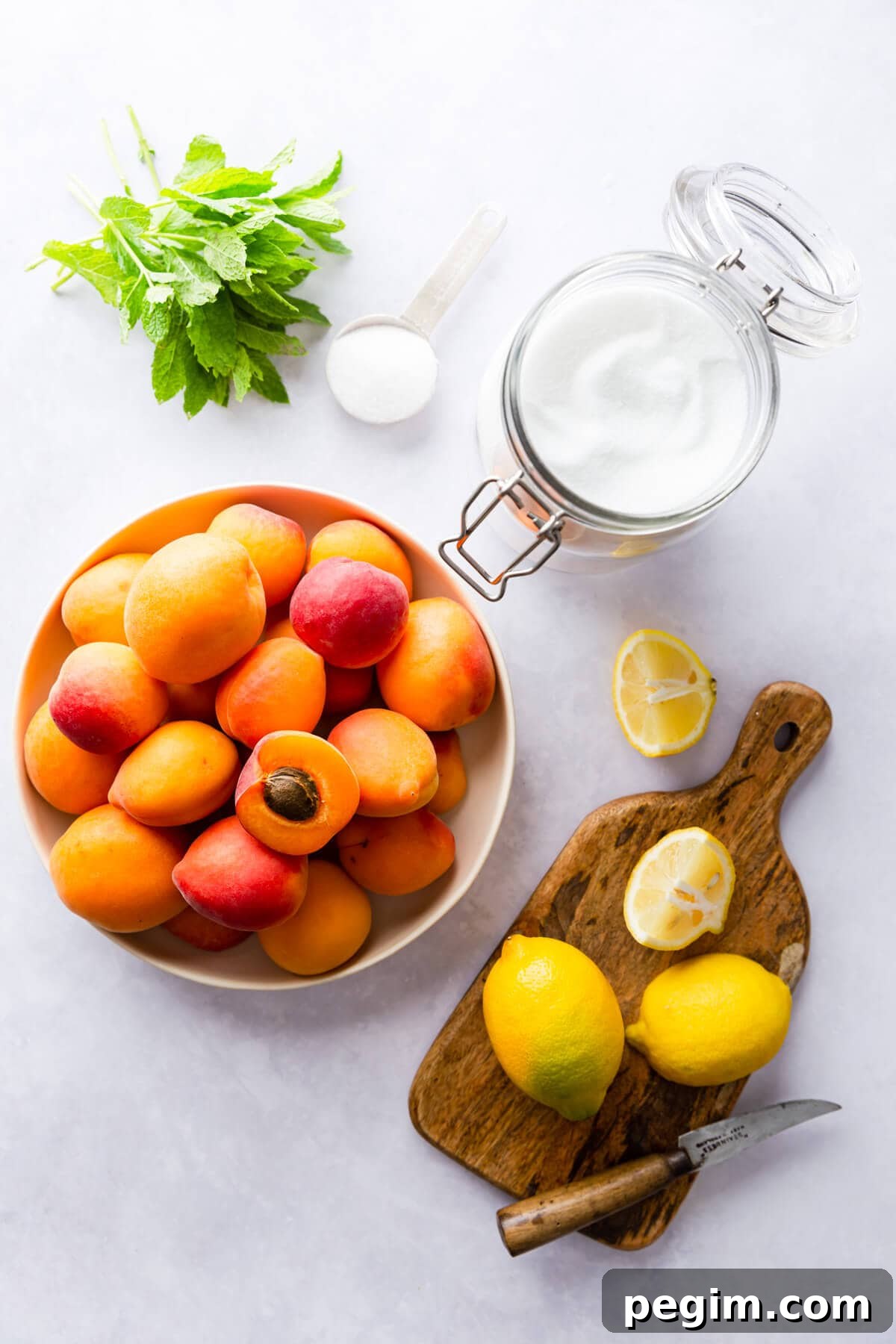
- Fresh apricots – halved and pitted.
- Sugar – granulated or caster sugar.
- Lemon juice – freshly squeezed from one large lemon.
- Fresh mint or basil – optional, for serving.
See the recipe card below for exact quantities.
Instructions
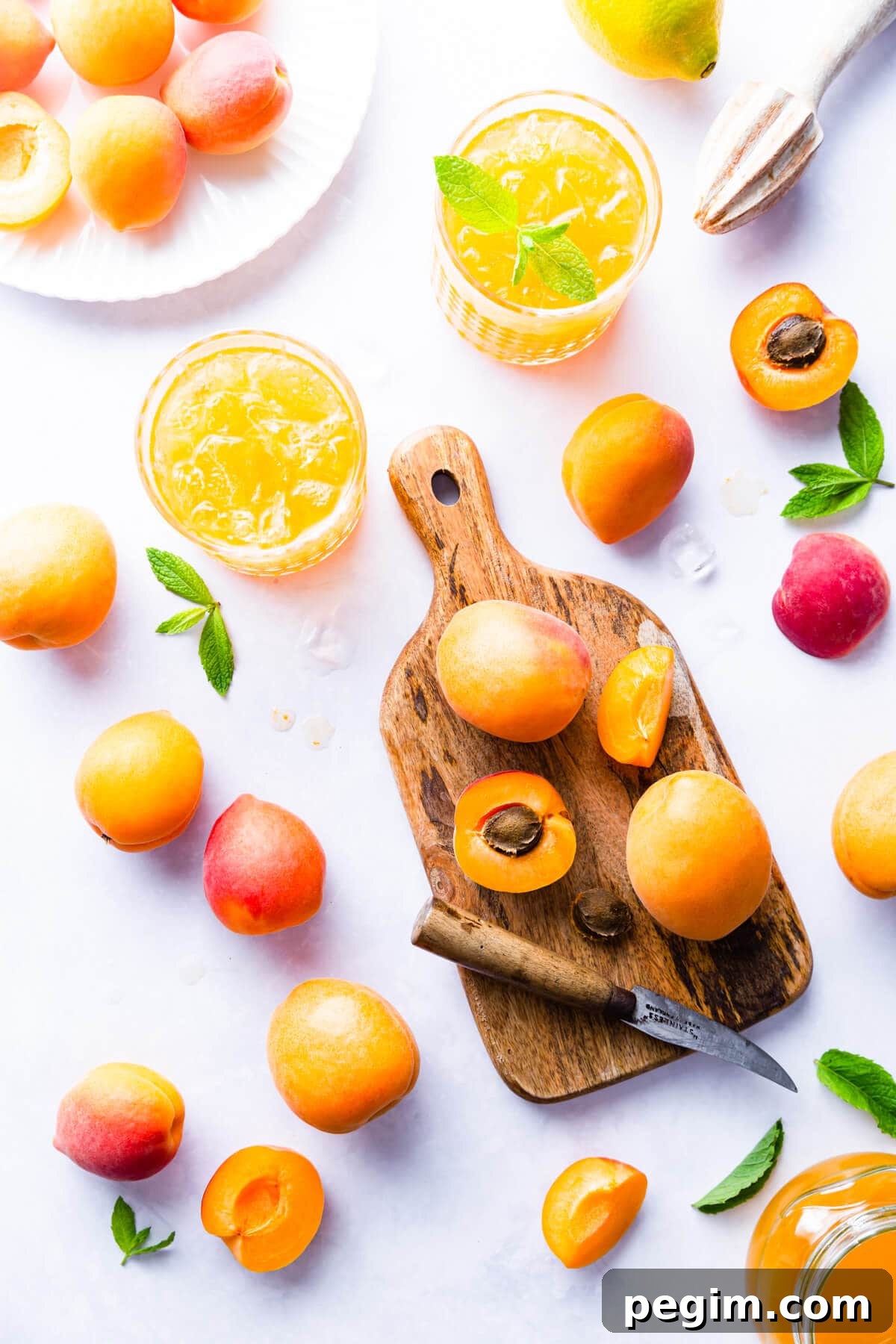
Wash the apricots, halve them and remove the pits.
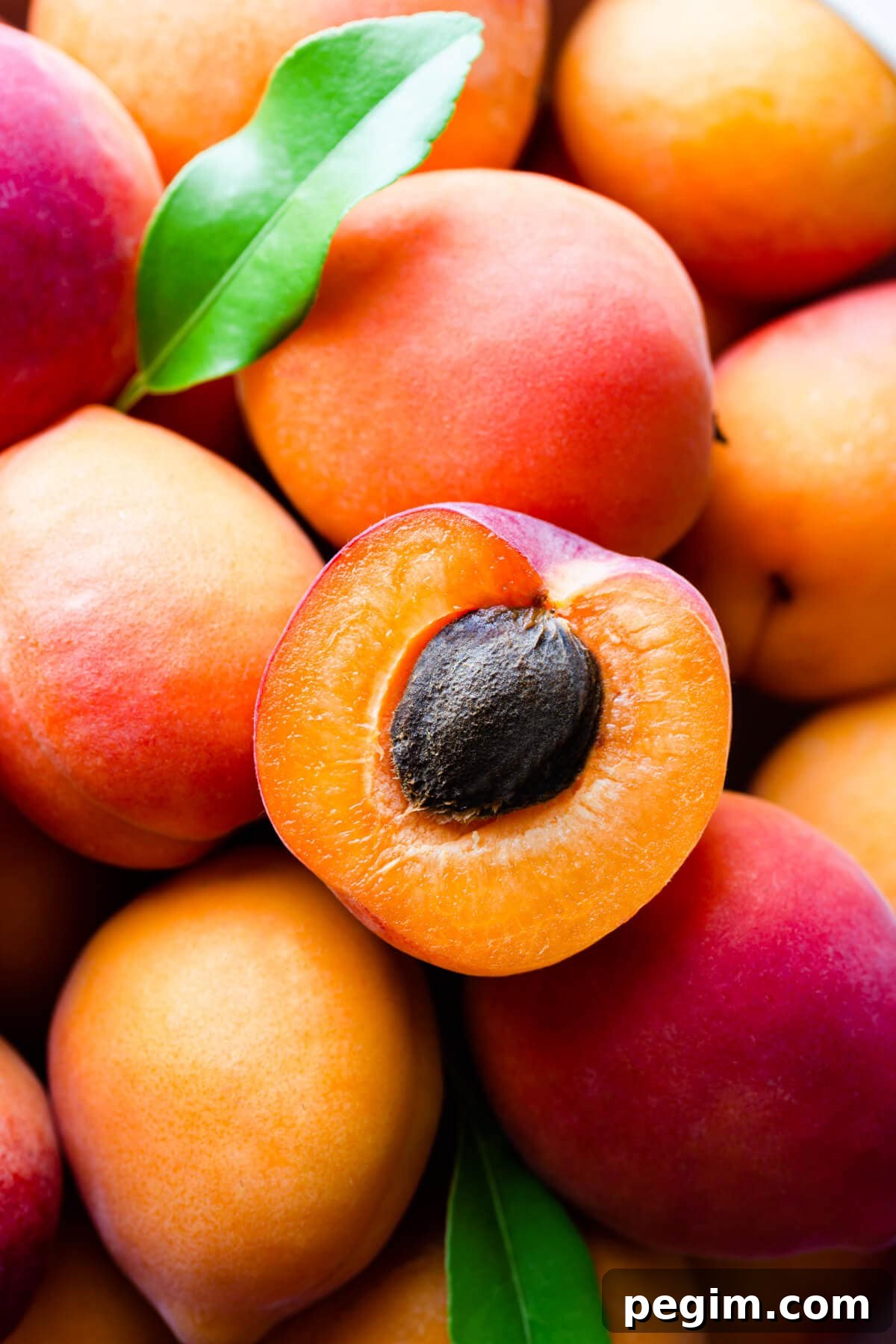
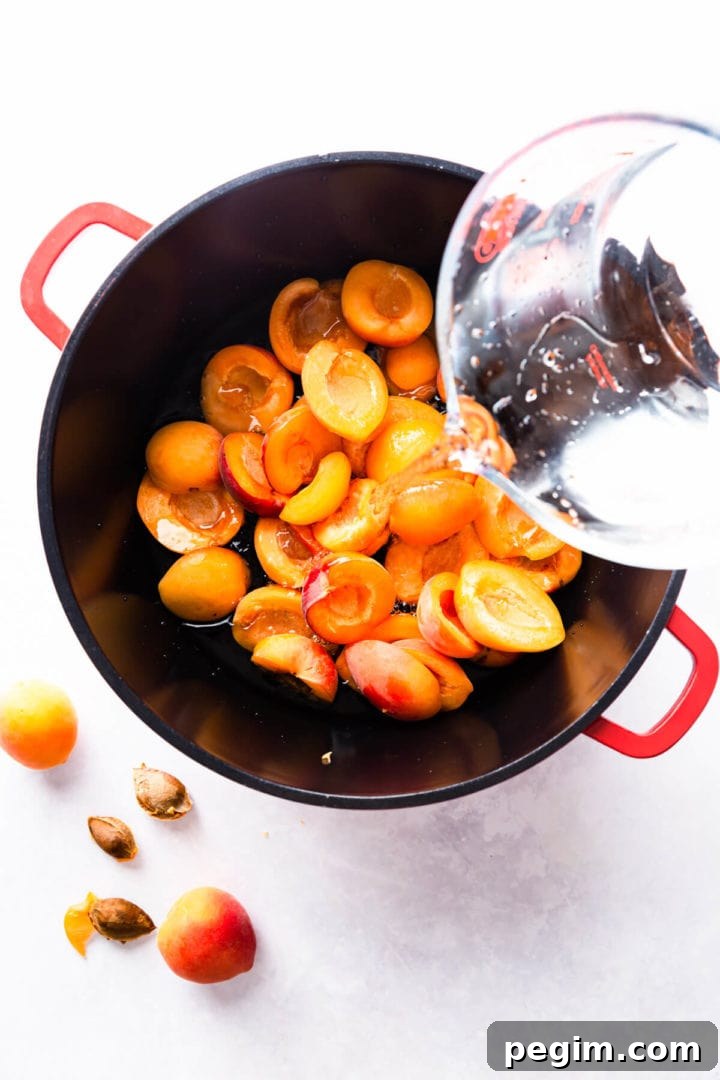
Place the prepared apricots in a large, heavy-bottomed pan and add enough cold water to cover the fruit. Bring to a gentle simmer over medium-low heat, cover, and cook for about 30 minutes or until the apricots are very soft and falling apart.
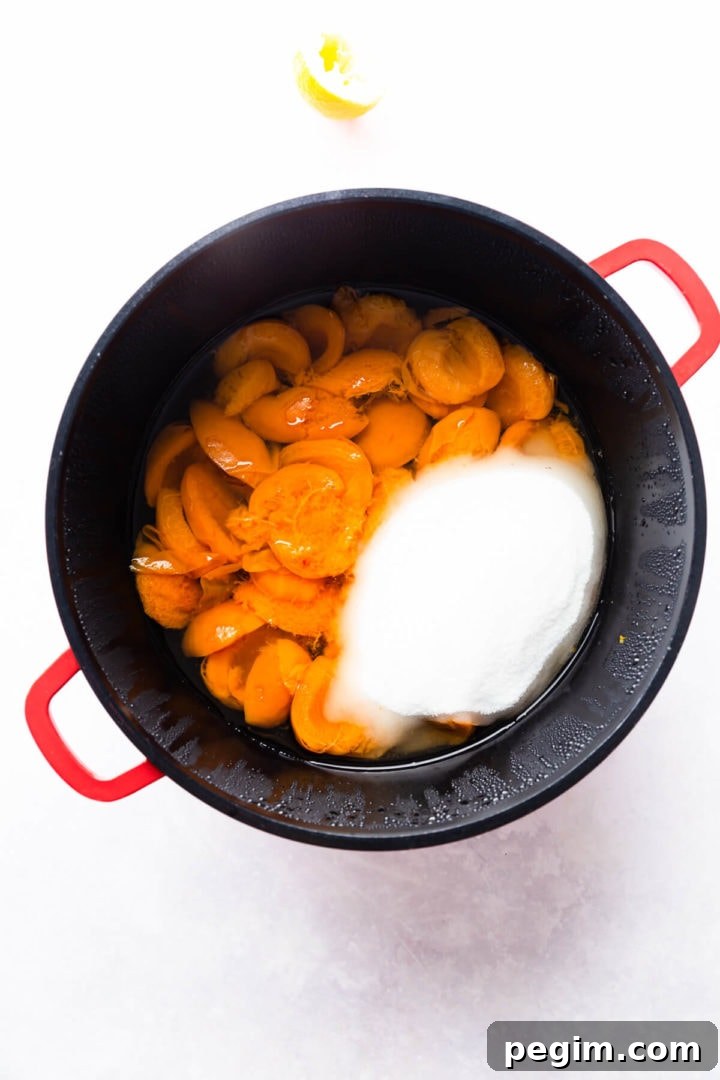
Add the sugar and lemon juice, stir and cook for another 5 minutes, until the sugar has fully dissolved. Remove the pan from the heat.
Pour the cooked mixture through a large fine sieve set over a bowl. Use a wooden spoon or spatula to push the puree and juice through the sieve, collecting the nectar in the bowl. Continue until no more liquid passes through; you’ll be left with roughly half the original fruit volume as pulp.
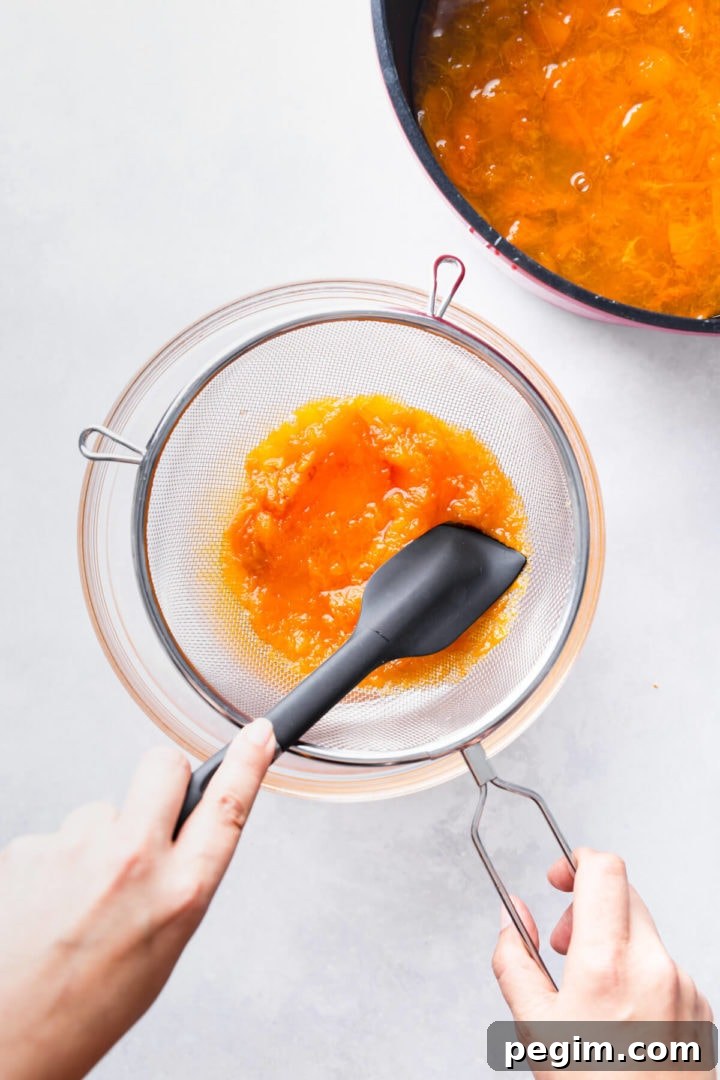
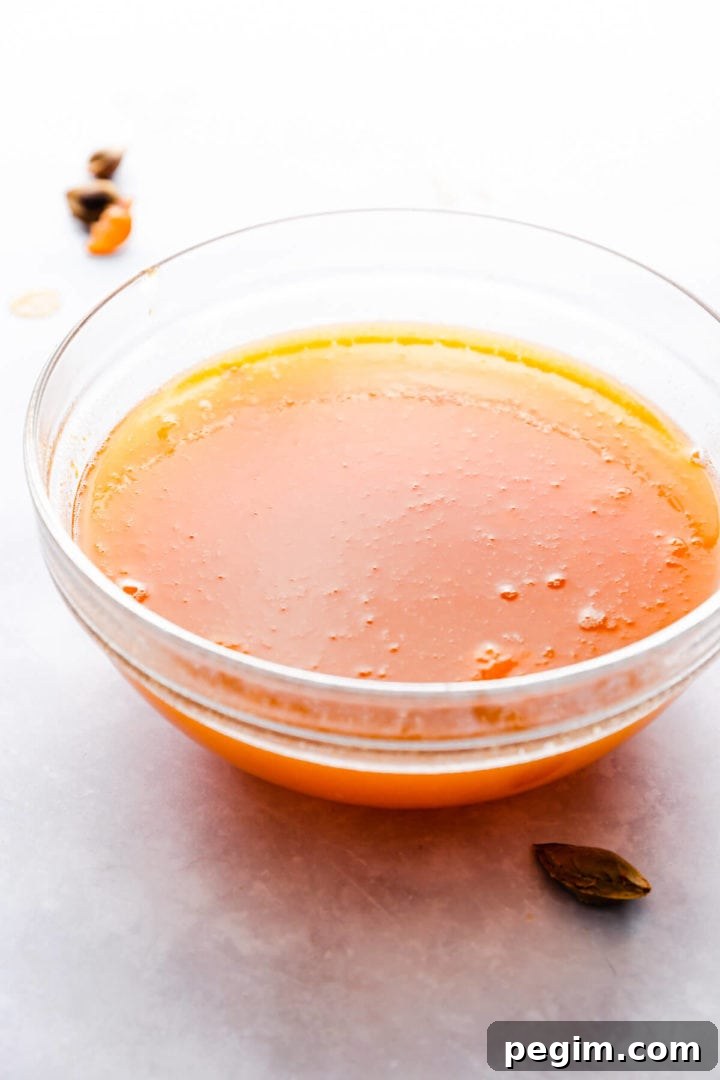
Discard or reserve the leftover pulp (see suggestions below). Pour the strained nectar into sterilised jars or bottles if you plan to preserve it, or into a clean jug for refrigeration and short-term use.
Leftover pulp works well stirred into smoothies, spooned over yogurt or porridge, or folded into cream for a light cake filling.
Variations
Try these serving and flavor ideas:
- Serve the nectar straight over crushed ice with a sprig of mint or basil and a lemon slice or apricot wedge.
- Mix with still or sparkling water for a refreshing spritzer.
- Add fresh herbs while the nectar cooks to infuse flavor—mint and basil are classic choices; try thyme, verbena or rosemary for a different note.
- Stir in a small pinch of warming spices like cinnamon or cardamom, or a touch of turmeric for color and a subtle health boost.
Equipment
No special tools are needed. A large heavy-bottomed pan is best for even cooking, but any large saucepan will work. Use a large fine metal sieve or a plastic sieve with a fine mesh to strain the nectar. If you plan to preserve the nectar, have sterilised glass jars or bottles and lids ready.
Storage
Store fresh nectar in the refrigerator for up to one week. To preserve it for longer, fill sterilised jars or bottles about three-quarters full while the nectar is hot, seal with lids and process them in a water bath: place the jars in a large pan, cover with water and boil for 30 minutes. Allow the pan and jars to cool completely before removing. Properly sealed jars will keep in a cool, dry place for up to six months.
Top tip
The nectar may naturally separate with the puree settling at the bottom and liquid on top. This is normal—shake or stir well before serving.
If you tried this apricot nectar or another recipe, feel free to leave a comment and rating. I love hearing how you enjoy it!
📖 Recipe

Homemade Apricot Nectar
30 mins
35 mins
1 hr 5 mins
Equipment
- Large heavy-bottomed pan or pot
- Large fine sieve
- Wooden spoon or spatula
- Canning jars (optional)
Ingredients
- 1 kg apricots, halved and pits removed
- 500 g sugar, caster or granulated
- Juice of 1 large lemon
- 1 litre water
Instructions
- Place apricots and water in a large saucepan, bring to a simmer and reduce heat to medium.
- Simmer for about 30 minutes or until apricots are very soft and broken down. Add sugar and lemon juice and cook another 5 minutes until sugar dissolves.
- Remove from heat and pour the mixture through a large fine sieve set over a bowl. Push the fruit through with a wooden spoon or spatula.
- Continue until no more juice passes through. Decant into a jug for short-term use or pour hot into sterilised jars if preserving.
- To preserve: fill sterilised jars about ¾ full, seal, place in a pan covered with water and boil for 30 minutes. Allow to cool completely before removing and storing in a cool, dry place for up to six months.
All recipes are developed and tested using metric measurements. For the most accurate results use digital scales.
Notes
- Store nectar in the fridge for up to one week.
- If preserving, sterilise jars, bottles and lids before filling.
- Separation is normal—shake or stir well before serving.
Nutrition
This recipe was originally published in August 2016 and updated with new photos, a revised recipe and tips in August 2021.