

Most of the year I write about practical matters—how to care for your skin, your home, and your daily routines—but every January I like to pause and consider the less tangible parts of life. In previous years I’ve focused on decluttering: identities, voices, schedules. This year I’m thinking about something to add rather than remove: friendship.
They say the hardest thing to make is an old friend. That idea reminds me of the proverb about trees: the best time to plant one was 20 years ago, the second-best time is now. Old friends with long shared histories are a treasure, but if you don’t have them, today is a great day to start one. Friendship can be planted at any time and will grow if you give it attention.
4 a.m. friends
We often confuse social media connections and long contact lists with true friendship. A useful test: if you had an emergency at 4 a.m., could you call someone and know they would help—watch your kids, drive you to the hospital, or simply be there? Marlene Dietrich put it well: “It is the friends you can call up at 4 a.m. that matter.” Those are the friends who steady us in crisis.
Beyond emergencies, friendship enriches life in countless ways. Friends multiply joy and divide sorrow. They make ordinary moments memorable, turn awkward situations into funny stories, and help us get out of our own heads. They offer perspective, make us laugh, and contribute to emotional and physical well-being.
What does friendship take?
Friendship is an investment. It requires time, risk, attention, and changes in habit—but none of these costs can buy the return it yields.
Time: Friendships need shared hours. Replace some mindless activities with time spent connecting and you’ll add meaningfulness to your life.
Risk: Being vulnerable and putting yourself out there can be scary, but the payoff is genuine connection and joy.
Vigilance: Like any growing thing, friendship needs tending. Small gestures—checking in, replying to a message, making a plan—help relationships flourish.
Habit change: Saying yes to meetups, making calls, or joining activities breaks routine and brings new energy into life.
Where to find friends
Three common sources of new friendships are old friends you’ve lost touch with, acquaintances you haven’t invited into deeper conversation, and complete strangers. Here are a few real examples of how friendships can begin:
Stephanie (36 years): We met in seventh grade when I sat beside her on a lunch bench because she was reading. After a blunt opener and a shared love of books, a long friendship began.
Heather (28 years): We first saw each other on a college campus bus. By the end of the year I was practically living on her dorm floor. Years later she stood as Maid of Honor at my wedding.
B.B. (12 years): Our meeting was arranged by our mothers. She arrived late because she got lost and left early for her kids’ naps. That awkward start didn’t stop a lasting friendship.
Vicki (11 years): A parent conference and a playdate led to an introduction at my front door and a friendship that followed naturally.
La-Rene (new): A coworker turned friend after a simple invitation to coffee transformed an acquaintance into a meaningful connection.
Friendships can begin on a bench, a bus, through mutual family members, after a school meeting, or following a casual work interaction. What matters most is what comes next: responding, reaching out, setting a date, and saying yes.
Too busy for friendship?
I often write to remind myself as much as to encourage readers. At times I convinced myself I had no time for friends because of intense work or projects. I protected family obligations but lost the unscheduled downtime we call “Zero Time,” and missed the casual moments where connection happens. That lack of unstructured time created distance at home and elsewhere.
When life gets busy, friendships are easy to relegate to the realm of “luxury.” That’s a mistake. Rebuilding those connections takes intention and habit change, but friends I’d neglected were ready to welcome me back once I started saying yes again.
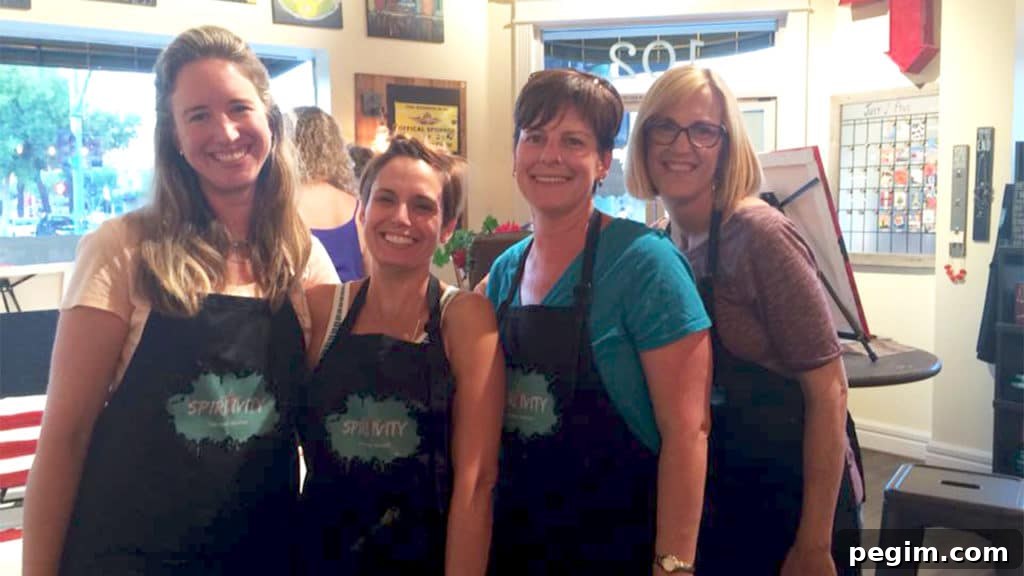
How to make friends
Here’s a practical “how to” you can try right now: get out your phone and send an invitation. Coffee, a walk, a class, or an event—keep it simple. No need to impress. Soup and toast will do for dinner.
Sample messages: “Hey, do you want to grab coffee?” “It’s been a while—how about dinner?” “I’ve been meaning to reconnect. Want to join me for a walk/yoga class?” Chances are they’ve been feeling the same disconnect and your message could make their day.
If your contacts don’t offer leads, try new places. Treat it like a treasure hunt. Join a local club, try a class, attend a community event. Be willing to be the newbie. Look for groups that match your interests—gardening, hiking, art, stargazing, or community library groups—there are often more possibilities than you expect.
When you show up, be present. Put your phone away, make eye contact, linger after kids’ activities to chat with other parents. Efficiency has its place, but many of life’s best things are not efficient.
It’s fine to try people out and decide a connection isn’t a fit. You don’t need a large circle—whether you prefer a few deep friendships or a broader group, focus on making meaningful connections.
But Lisa, I really don’t have time
If time is tight, combine tasks with friendship. Invite someone to grocery shop, cook freezer meals together, run errands, or tackle a home project. Simple shared activities—gardening, exercising, decorating—create connection without needing extra hours on the calendar.
Prior to friendship, there’s friendliness
Random positive interactions with strangers can restore faith in humanity and brighten our days. Encounters with people who have no obligation to be kind often feel authentic and uplifting.
David Sax wrote that engagement with strangers connects us to community, teaches empathy, and builds civility. Small friendly gestures—smiles, greetings, a shared laugh—can lift someone’s spirits and sometimes spark a deeper connection.
On a recent family trip to New York City I was struck by how many kind, friendly interactions we experienced from people we’ll likely never meet again. Those moments added a warm tone to our visit and reminded me how much impact simple friendliness can have.
That brief exchange in a coffee line or the shared smile with a dog owner could become the beginning of an unexpected friendship. Many good relationships begin in ordinary, surprising ways.
In closing
C.S. Lewis said, “Friendship is born at that moment when one person says to another: ‘What! You too? I thought I was the only one.’” We’re all a little odd, and in this wide world there is likely someone whose oddness matches ours. This year I’m choosing to be intentional: reaching out, saying yes, and making time for friends.
I’d love to hear your stories of friendship—long or new, expected or surprising. Would you share a story in the comments below?
Further reading
- Decluttering the Voices in My Life
- Gift Idea: Gift Tags for Gifting Dr. Bronner’s
- Gift Idea: Green Cleaning Starter Kit
- 15 Ideas for Consumable, Sustainable & Homemade Gifting