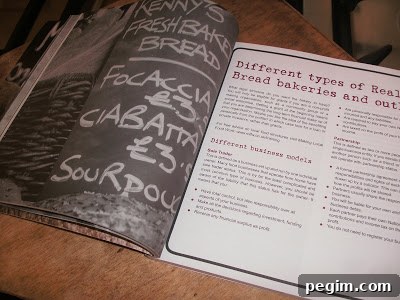
This thoughtfully designed guide carries the subtitle, ‘The introductory guide to success in baking Real Bread for your local community’.
Does it deliver on that promise, and how far can Knead to Know take an interested home baker toward becoming a community bread producer?
The Real Bread Campaign deserve credit: Knead to Know functions as a practical and inviting introduction. It acts like a buffet of tasters, pointing readers to the topics they find most relevant and offering routes for deeper exploration.
My perspective is practical. I bake regularly as an amateur and have received encouraging feedback which made me consider selling bread more broadly. Specifically, I hoped the book would answer questions such as:
- How do I set up a community baking venture?
- What are the logistics of baking from home?
- How do you scale up domestic recipes?
- Can you manage with a domestic oven?
- What legal and regulatory requirements apply?
- Are there effective promotion and marketing ideas?
- What product range makes sense to start with?
- How do you calculate pricing and ingredient yields?
- Where can I find further information and resources?
Design is one of the book’s strongest features. Inside the full-colour cover the layout uses two columns and a restrained, readable typeface. A second colour highlights headings, subheads and short quotations from community bakers, which adds character and clarity. Photographs and graphics support the book’s approachable tone, while tables and bulleted lists present information in a clear, usable way.
Content-wise, Knead to Know offers a thoughtful mix of inspiration, practical experience and applied advice. If you want a section-by-section overview, a sampler is available from the campaign website; otherwise the book itself covers the essentials in an accessible format.
Particularly valuable are the sidebars and boxed sections featuring quotes and case notes from bakers who have built community enterprises. These contributors don’t always agree on specifics—for example product choices, business structures or working hours—but their individual rationales provide a range of perspectives. That variety encourages a values-led approach: the book helps readers reflect on what will work for them personally, balancing home life, craft and community commitment. As Aidan Chapman of the Phoenix Bakery is quoted saying, “Becoming a Real Bread baker is a lifestyle, not a career choice.”
The technical baking information is solid and well presented, covering process, ingredients and practical adjustments. It is not a comprehensive textbook on non-domestic baking, so those seeking exhaustive commercial bakery technical detail will need further specialist reading. Within its remit, however, it gives enough to get started and understand key considerations.
I paid close attention to the legal and business sections, and they are handled admirably. The book highlights relevant regulations, licensing issues and food safety concerns in a clear way and points readers to further sources for deeper investigation. Practical sections on market research, promotion and media relations are imaginative and grounded in the real experience of community bakers, making the advice actionable.
Links to online resources are worked into the text where appropriate, and the book concludes with a useful collection of references and further reading, including toolkits such as a Food Cooperative Toolkit that can support collaborative ventures.
Overall, the guide stimulated many concrete ideas about how to organize a community baking project and which partners and organisations to approach. It won’t answer every detailed question, but it maps the next steps effectively and points toward additional resources where required.
If you’re curious about community baking and want a practical, well-designed introduction that combines craftsmanship, ethics and realistic business sense, Knead to Know is a strong place to start.