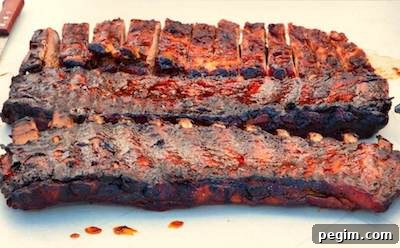
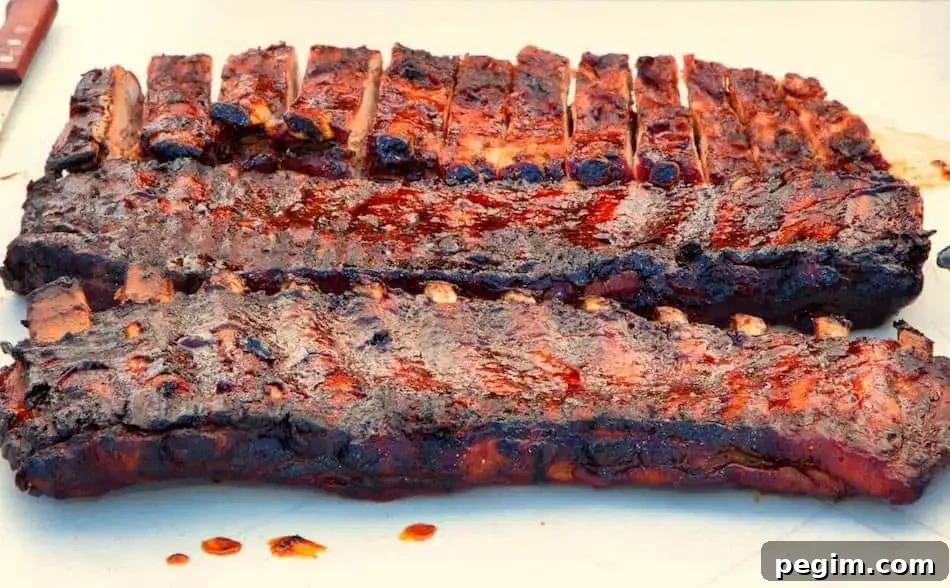
Wrapping ribs while smoking is a common technique, but it isn’t strictly necessary. Many backyard cooks skip the wrap and still achieve excellent results. Unwrapped ribs absorb more smoke and develop a crisp bark, while wrapped ribs retain moisture, finish faster, and tend to be juicier. The choice comes down to flavor preference, temperature control, and how much hands-on attention you want to give the cook.
Unwrapped ribs pick up more smoke flavor, but excessive smoke can make the meat bitter. Mild-to-moderate woods such as hickory, oak, pecan, apple, or cherry work well. Smoking time typically ranges from 5 to 7 hours depending on rib type and temperature. Ribs are usually cooked until the internal temperature reaches about 190–205°F and they pass tenderness tests such as the bend or toothpick test. Wrapping is optional for home cooks but helps prevent dryness and shortens cook time.
Quick Tips
- Unwrapped ribs will be smokier than wrapped ribs, but too much smoke can make the meat taste bitter.
- Good wood choices for unwrapped ribs include hickory, oak, pecan, apple, and cherry.
- Cooking time in a smoker usually ranges from 5–7 hours depending on rib size and smoker temperature.
- Ribs are typically done when the internal temperature is about 190–205°F and they pass a tenderness test.
- Wrapping ribs is optional for home cooks but helps retain moisture and can prevent drying.
- When smoking unwrapped ribs, keep the smoker around 225°F to maintain tenderness and moisture.
Naked Smoked Ribs (Unwrapped)
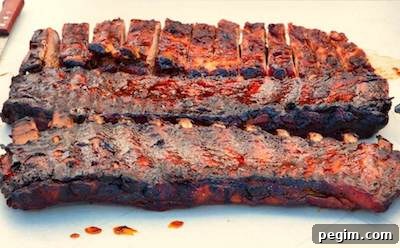
Pork ribs cooked low and slow in a smoker. Smoked “naked” without wrapping, these ribs pick up extra smoke flavor and develop a crispy bark.
10 minutes
7 hours
5 minutes
7 hours 15 minutes
Ingredients
- 1 rack of pork spare ribs (same method works for baby back ribs)
- Barbecue sauce
- Paprika – ½ cup
- Salt – ½ cup
- Brown sugar – ½ cup
- Garlic powder – ½ cup
- Onion powder – ¼ cup
- Chili powder – ¼ cup
- Cumin – ¼ cup
- Black pepper – 2 tablespoons
Instructions
How To Smoke Ribs Unwrapped
- Trim the ribs and remove the membrane. Make a small incision, grab the membrane, and pull it off. Trim excess fat.
- Mix the rub ingredients or use a premade rub. Apply a generous, even layer to both sides of the ribs.
- Let the rub sit for 30 minutes to 1 hour to draw out surface moisture and form a crust.
- Preheat your smoker to about 225°F.
- Add your chosen wood—hickory, apple, cherry, or pecan work well. Use moderate amounts to avoid over-smoking.
- Place the ribs in the smoker meat side up.
- Spritze or mist the ribs every hour to help maintain surface moisture.
- Smoke for 5 to 7 hours depending on rack size, smoker consistency, and desired tenderness.
- Check doneness with a tenderness test such as the bend test, toothpick test, or by checking internal temperature.
- In the last 20 minutes, baste the ribs with barbecue sauce and return to the smoker until the glaze sets.
- Remove and rest for 5 minutes before slicing and serving.
Nutrition Information:
Serving Size:
240 grams
Amount Per Serving:
Calories: 762
Can You Smoke Ribs Without Wrapping?
Many competition pitmasters wrap ribs to speed the cook and create a predictable texture, but home cooks don’t always need to follow that approach. For backyard smoking, leaving ribs unwrapped can produce an appealing smoky flavor and a crispy bark. Wrapping provides a margin of safety against drying out, so if you’re unsure about your temperature control or prefer a very tender result, wrapping is a useful technique.
Unwrapped Ribs May Dry Out
The main benefit of wrapping is moisture retention. Over a 5–7 hour cook, unwrapped ribs can lose moisture if temperatures run high or if the smoker is inconsistent. If you keep the smoker steady around 225°F, spritz regularly, and manage your airflow and wood usage, unwrapped ribs can remain juicy. Still, foil or butcher paper offers protection from prolonged heat and evaporative cooling.
What Temperature Do You Smoke Unwrapped Ribs?
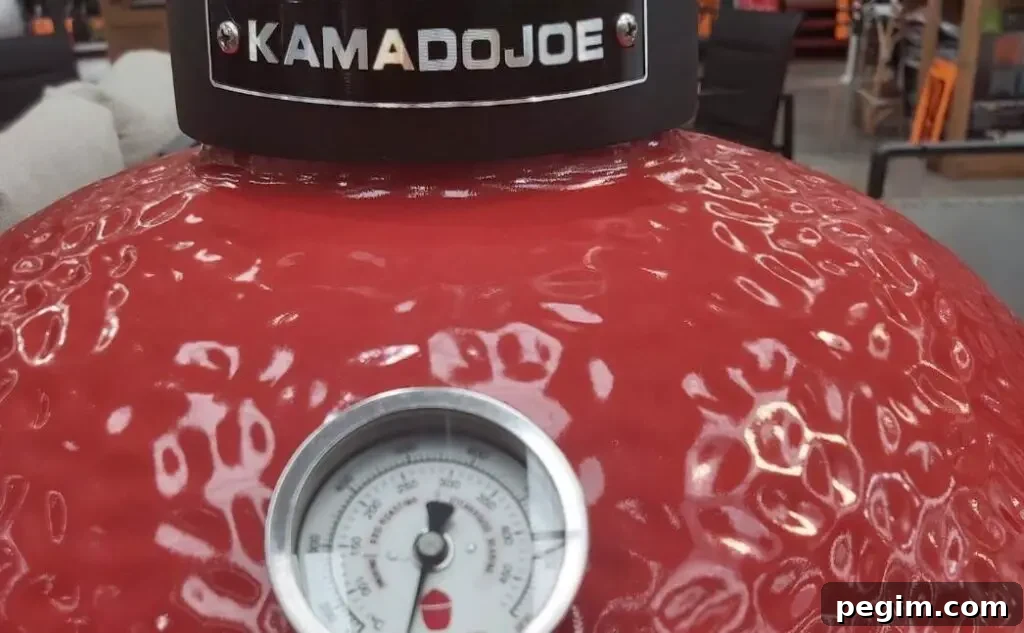
Maintain the smoker around 225°F when cooking ribs unwrapped. This low-and-slow temperature keeps the ribs tender and helps prevent excessive moisture loss. Wrapped ribs tolerate higher temperatures more easily, but for naked ribs 225°F is a reliable target.
The Best Wood For Smoking Ribs Unwrapped
Unwrapped ribs are more exposed to smoke, so choose wood carefully to avoid bitterness. Hickory pairs beautifully with pork but can become dominant if overused. Mix hickory with a milder fruit wood like apple or cherry to balance flavor. Pecan, oak, or maple are also excellent choices. Add wood early and avoid overloading the fire; a steady, moderate smoke during the first half of the cook followed by lighter smoke later yields the best results.
Does Wrapping Tenderize The Ribs?
Yes. Wrapping traps moisture and accelerates the tenderizing process by creating a warm, humid environment around the meat. It helps the ribs reach a softer texture more reliably than leaving them unwrapped. You can still achieve tender, juicy ribs without wrapping, but you’ll need to manage temperature and technique more carefully.
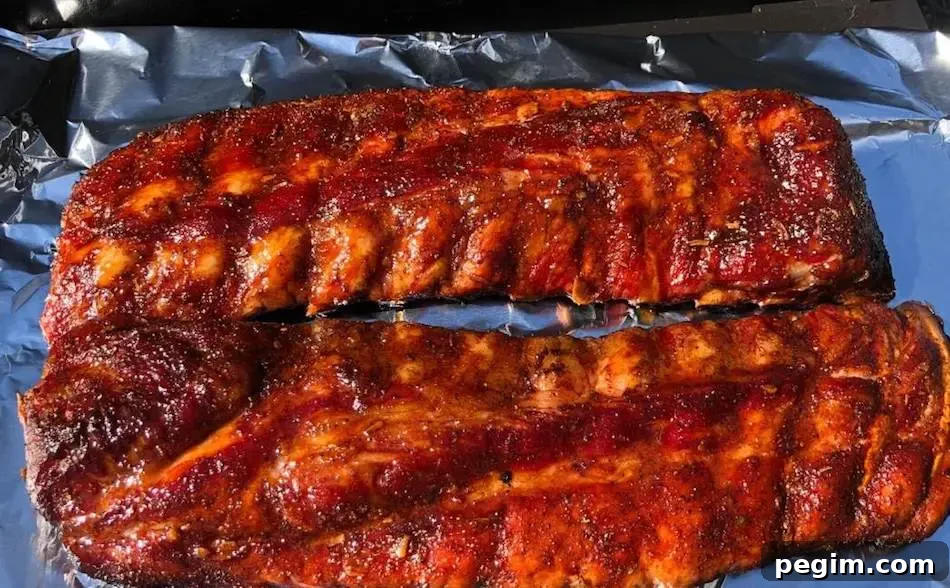
Wrapped Ribs Cook Faster
Wrapping can shave roughly an hour off the total cook time. Evaporative cooling at the meat surface slows cooking; enclosing the ribs reduces that cooling effect and speeds heat penetration.
Wrapping Ribs Beats the Stall
The stall—when evaporation keeps the meat temperature from rising—can last an hour or more. Wrapping helps the ribs pass through the stall faster by minimizing surface evaporation, so the internal temperature climbs more steadily.
Unwrapped Ribs Produce a Crunchy Bark
One of the biggest advantages of smoking ribs unwrapped is the crisp, well-defined bark that forms. Wrapping softens that bark; if you wrap too long, it can become mushy. If the bark softens after wrapping, putting the ribs back on the smoker briefly can help dry and re-crisp the surface.
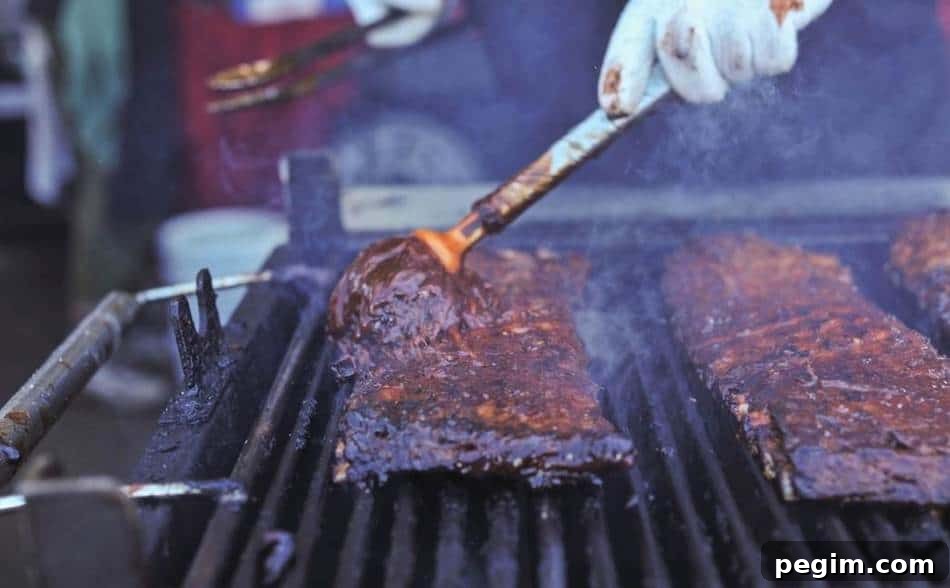
Unwrapped Ribs Are Smokier
Ribs left unwrapped absorb more smoke, producing a deeper smoked flavor. Be cautious with strong woods like mesquite, which can overpower pork. Hickory, oak, and pecan are safe, reliable choices; combine hickory with apple or cherry if you want a balanced profile.
How Long Do You Cook Ribs In A Smoker?
Expect 5–7 hours for most ribs at around 225°F. Baby back ribs are leaner and typically finish in 4–5 hours, while larger spare ribs take longer. Higher temperatures speed the cook but risk drying; stick near the 225°F–275°F range for best results, with 225°F being ideal for unwrapped ribs.
When Are Ribs Done?
Ribs are usually done between about 190°F and 205°F and should pass tenderness tests such as the bend test or toothpick test. Check different areas of the rack. If the bone twists out easily, the ribs are likely overcooked. The USDA minimum safe temperature for pork is 145°F, but for tender smoked ribs you’ll want to cook to higher temperatures so the connective tissue breaks down and the meat becomes tender.
When Do You Wrap Ribs?
Wrap ribs roughly 2 hours into the cook after they develop a deep mahogany color and a set bark. At that point the internal temperature is often near 150°F and the rub should no longer be tacky to the touch.
How To Wrap Ribs
- Use two layers of heavy-duty aluminum foil to prevent leaks.
- Ensure no bones pierce the foil, which would allow steam to escape.
- Fold the foil neatly so you can open the package for checks and saucing.
- For saucing, make a foil “boat,” baste the ribs, and let the glaze set before serving.
What To Wrap Ribs In? Foil or Butcher Paper?
Foil is the most common option and provides the best seal for faster cooking and moisture retention. Butcher paper is breathable and preserves more bark while still offering some protection; it’s a popular choice for brisket and works for ribs too. Both have merits—foil for moist, fast results; butcher paper for a balance of bark preservation and moisture control.
Is The 3-2-1 Method Any Good For Ribs?
The 3-2-1 method is a useful guide for beginners but is less common among professionals. It calls for 3 hours unwrapped, 2 hours wrapped, and 1 hour glazed and finished. Many experienced pitmasters prefer to judge doneness by color, bark, and feel rather than strictly following a timed formula.
What About The 2-2-1 Method?
The 2-2-1 method—2 hours unwrapped, 2 hours wrapped, 1 hour unwrapped with sauce—is closer to what many barbecue experts use as a flexible framework. It balances smoke absorption, tenderness development, and finishing with glaze, but most pros still adjust timing based on feel and appearance.
Experiment With Different Techniques
Try a blind comparison: smoke two racks the same way except wrap one and leave the other unwrapped. Taste for differences in smoke intensity, bark texture, and juiciness. Wrapped ribs will generally be more tender and moister; unwrapped ribs will be smokier with a crispier bark. With proper temperature control and technique, both approaches can produce outstanding ribs.
My Favorite Meat Smoking Tools
Thanks for reading. For reliable results, a few essential tools make smoking easier: a dual-probe thermometer to monitor both meat and smoker, a fast instant-read thermometer for spot checks, and quality butcher paper or heavy-duty foil for wrapping when desired. Invest in gear that suits your cooking style and budget, and practice different methods to discover what you prefer.