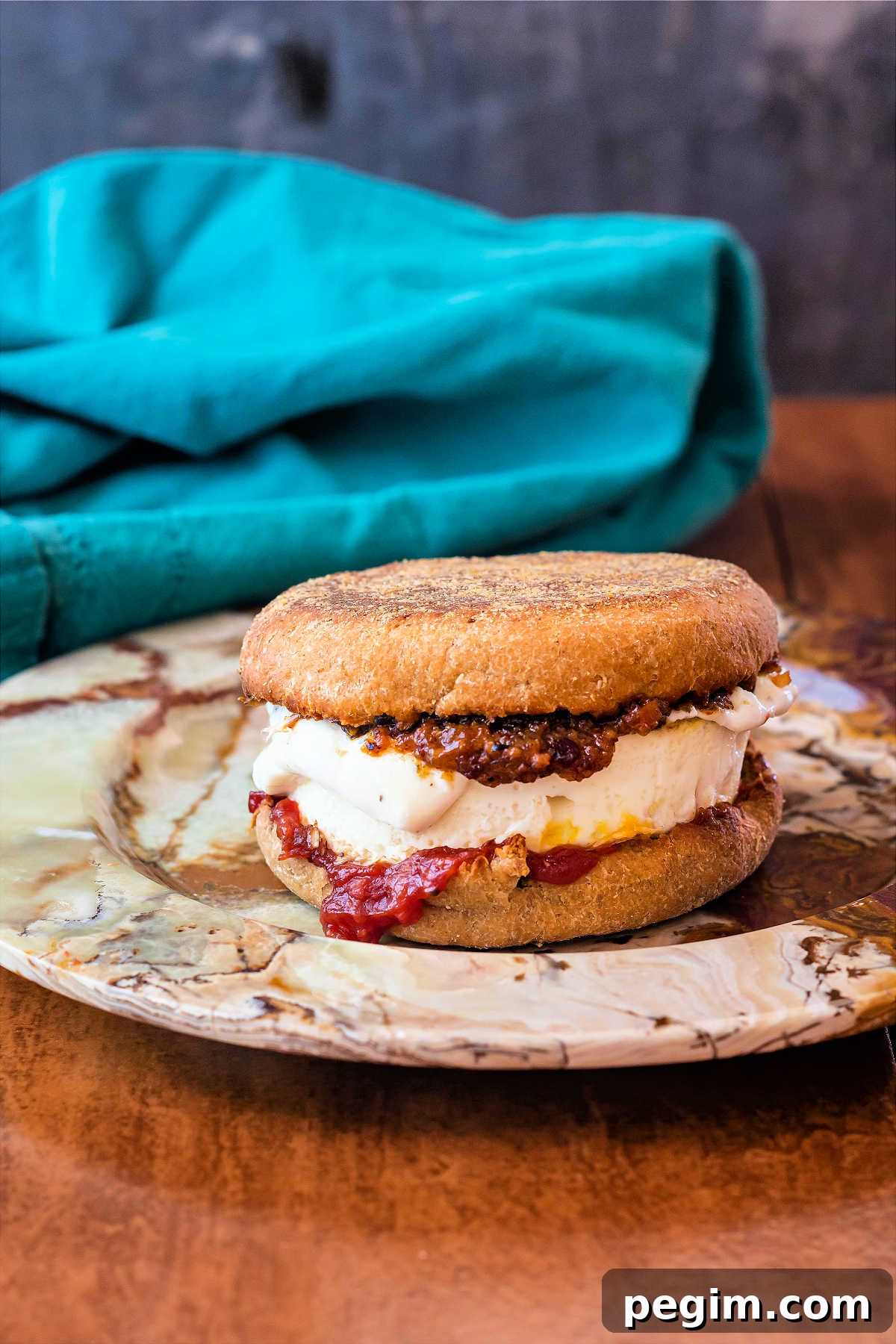
Today I’ll show you how to take spent grains from brewing, dry them, grind them into a fine flour, and use that flour to make deeply flavorful spent grain English muffins.
I enjoy working with spent grains—either from my partner’s brewing sessions or from local homebrew groups. My first spent-grain experiment was a soft spent-grain sandwich bread that turned out wonderfully. I’ve also made spent grain crackers, granola, and no-bake granola bars that put this ingredient to good use.
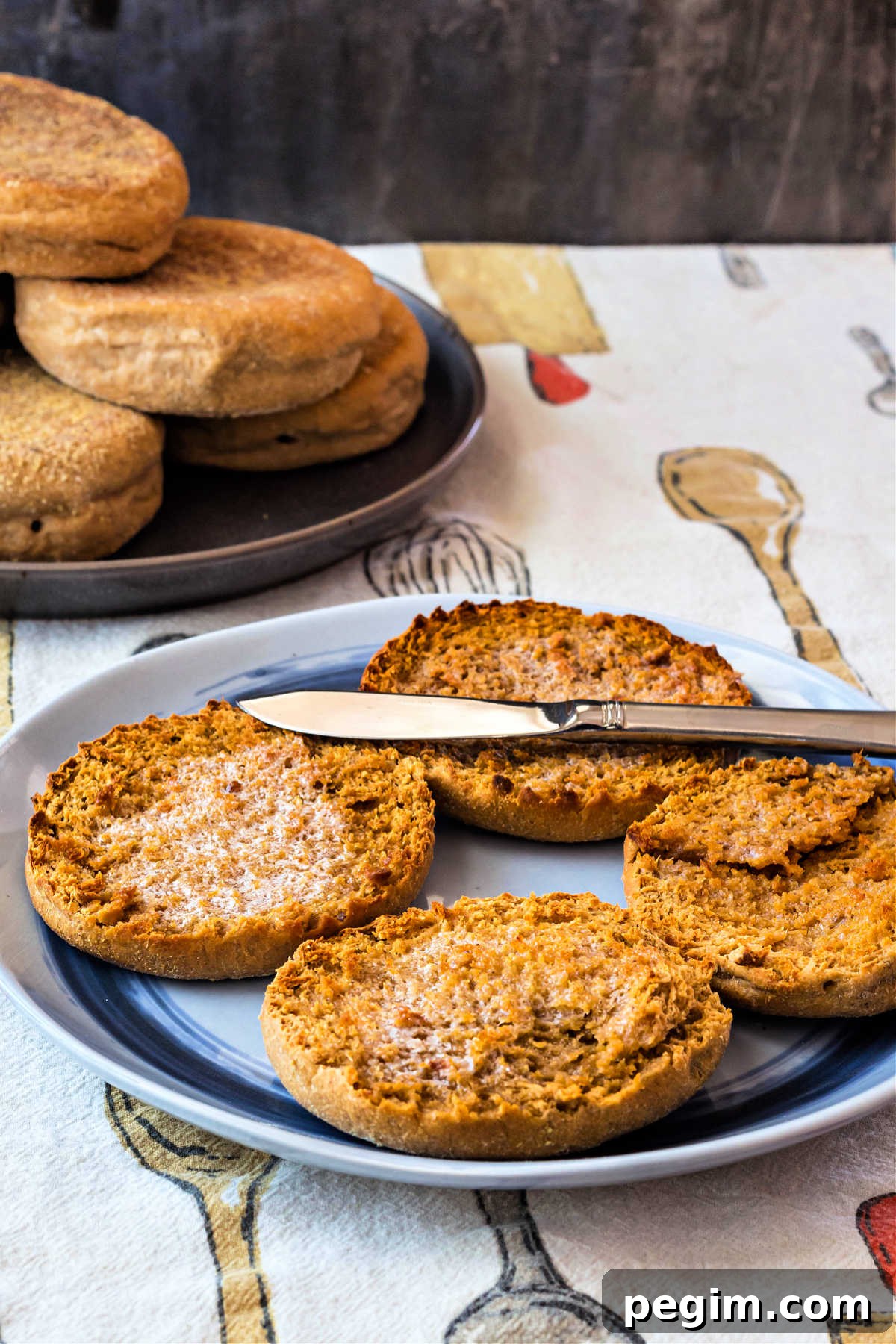
Table of Contents
Spent Grain English Muffins, At a Glance
✅Skill Level: Intermediate
✅Skills: Drying Spent Grains, Making a Sponge, Baking on a Griddle
✅Type: Yeast-Raised Muffins
✅Number of Ingredients: 8
✅Prep Time: 20 minutes
✅Cook Time: 25 minutes
✅Sponge/Rest/Rise Time: 6 hrs, 15 minutes
✅Yield: 10 English muffins
Jump Straight to the Recipe
Why Make This Recipe
Using spent grains turns a brewing byproduct into something delicious and useful. These muffins have a deep, malty flavor, a pleasing color, and a satisfying texture that sets them apart from ordinary English muffins.
The recipe yields ten nice-sized muffins; you can divide the dough into eight larger pieces if you prefer a bigger muffin suitable for breakfast burgers or larger sandwiches. They work well with both sweet spreads and savory fillings, and because they freeze well you can make a batch ahead and toast them as needed.
How to Make Spent Grain English Muffins
The process begins by drying spent grains on a sheet pan in a low-temperature oven until crisp. Spread the grains in a thin layer (no more than 1/2″), stir them every hour, and rotate pans between racks if you’re using more than one. Drying can take several hours depending on initial moisture.
Drying Spent Grains
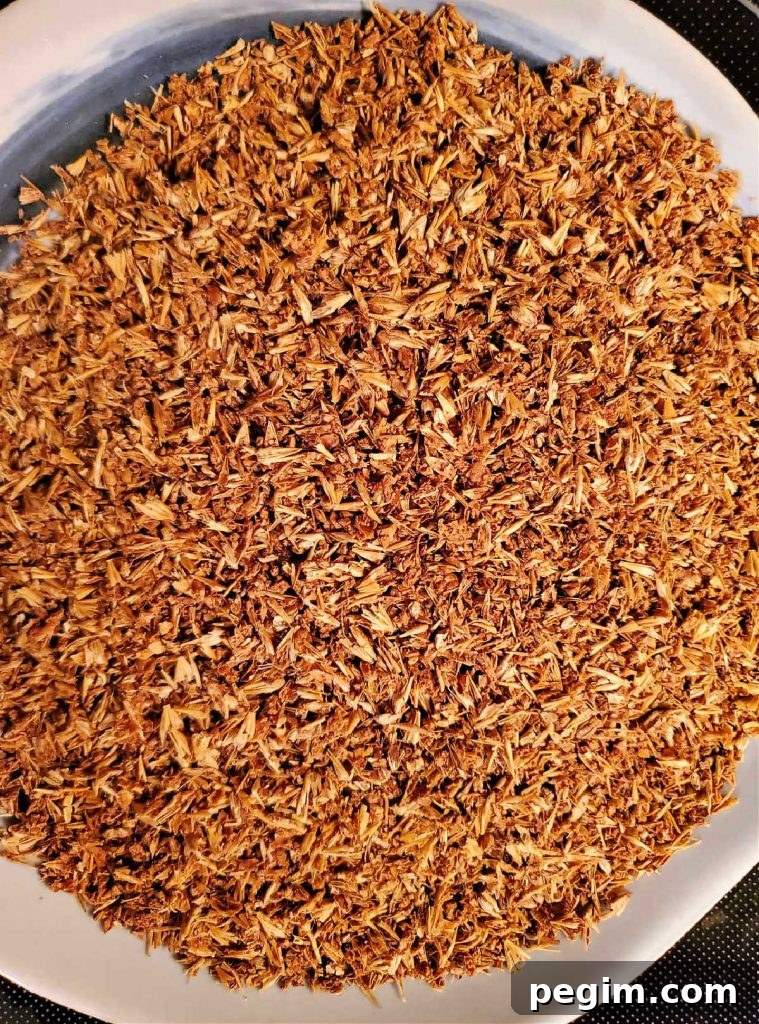
Once the grains are fully dry and brittle, grind them in a blender until they become a fine flour. If you want an even finer texture, you can sift the flour through a fine-mesh strainer to remove any coarse bits of bran or hulls.
How to Make Spent Grain Flour
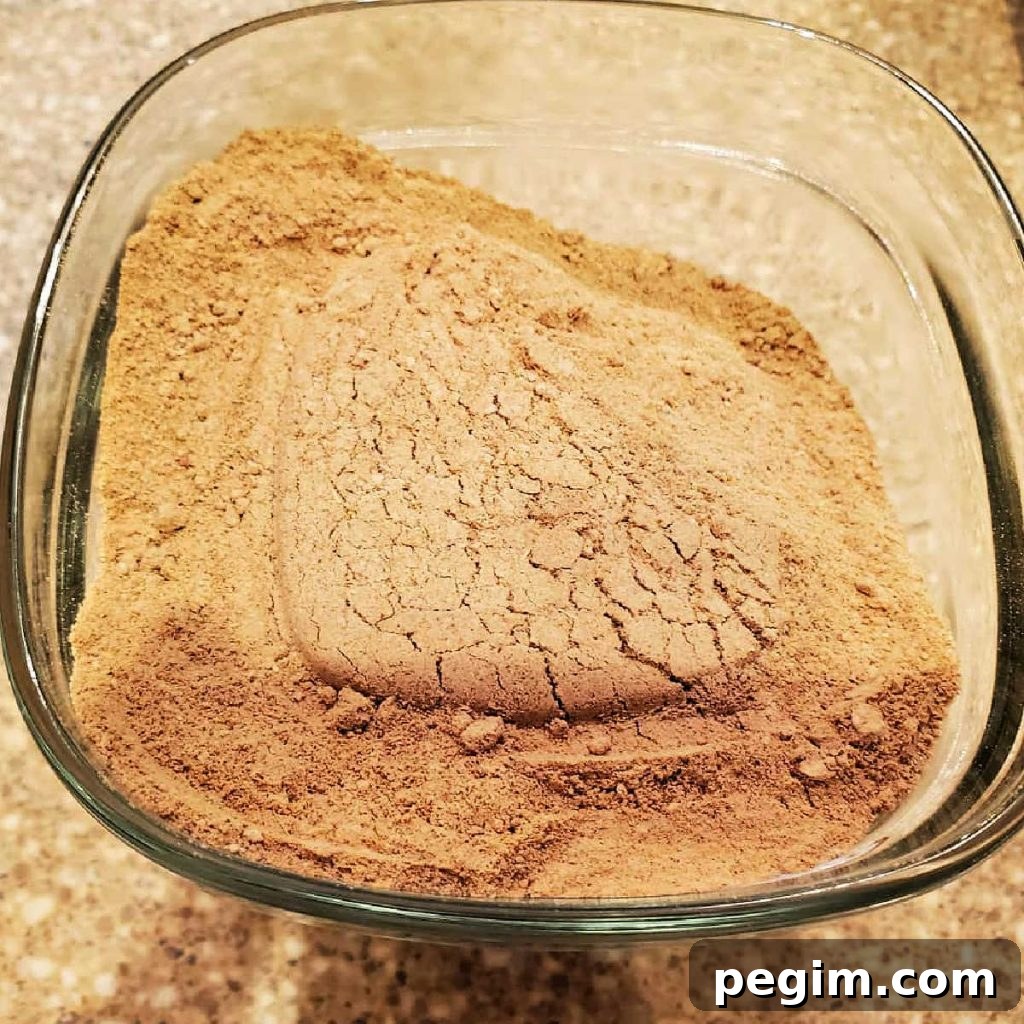
With your spent grain flour ready, proceed to make a sponge: heat milk to about 180°F until steaming (scalding denatures whey proteins and can improve the rise), stir in butter and malt syrup, cool the mixture to no more than 120°F, then stir in the flours and yeast. Cover and let the sponge rest at room temperature for about four hours; it will rise and then likely collapse—this is normal.
English Muffin Ingredients
Key ingredients you’ll need:
- Spent grain flour — made from dried spent grains
- Bread flour — higher protein helps compensate for the low gluten in spent grain flour
- Milk — whole milk recommended
- Malt syrup — or brown/granulated sugar; it feeds the yeast and enhances the malty flavor
- Yeast — instant or active dry, added to the sponge
- Butter — for flavor and tenderness
- Egg — adds structure, fat, and helps browning
- Kosher salt — weigh 7 grams if using a scale
Procedure
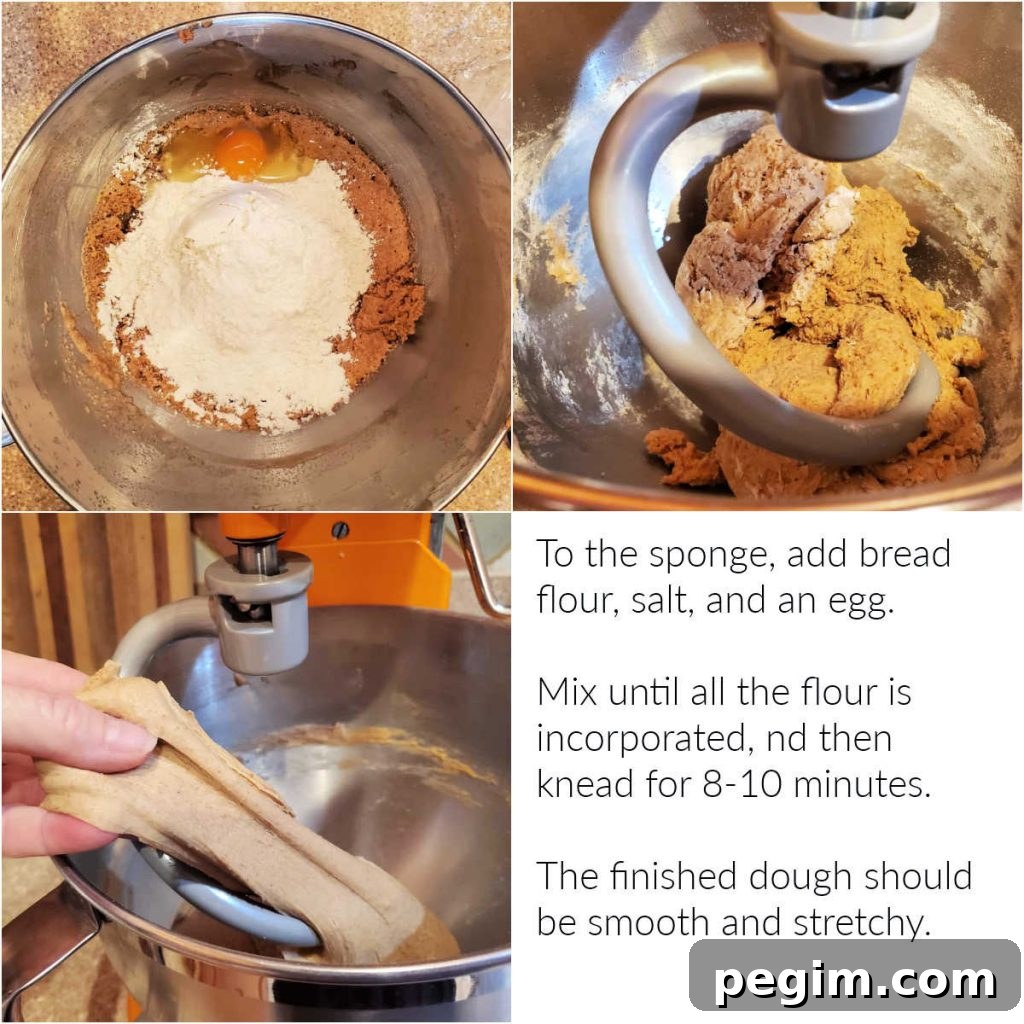
After the sponge rests, add the remaining bread flour, egg, and salt. Knead until the dough becomes soft and elastic, form into a ball, oil the surface, and let it rise until doubled—about 1½ hours.
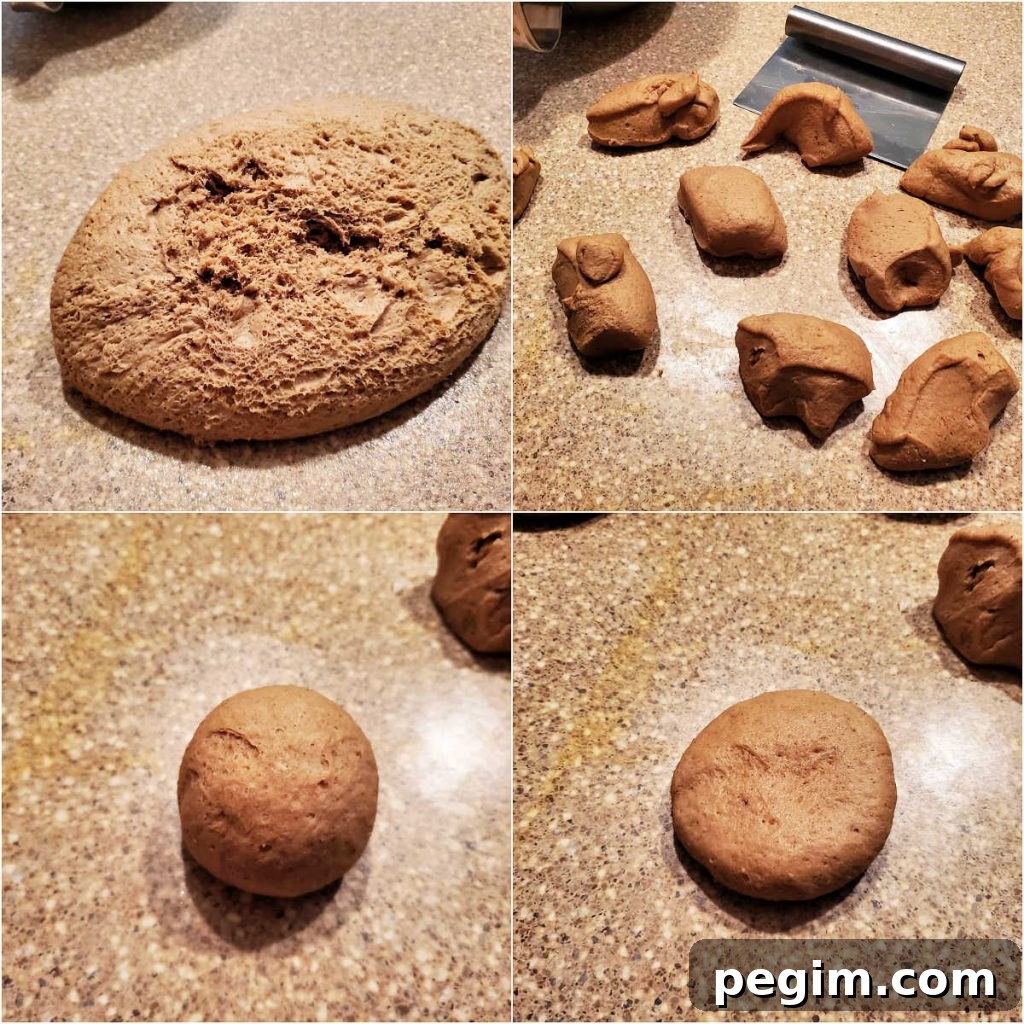
Divide the risen dough into ten equal pieces (about 3 oz each), shape each into a tight ball, then flatten gently into discs about 1/2″ thick. Place them on parchment dusted with fine cornmeal or semolina, cover, and proof until puffy—about 45 minutes.
Shaping the Dough
Cooking the English Muffins
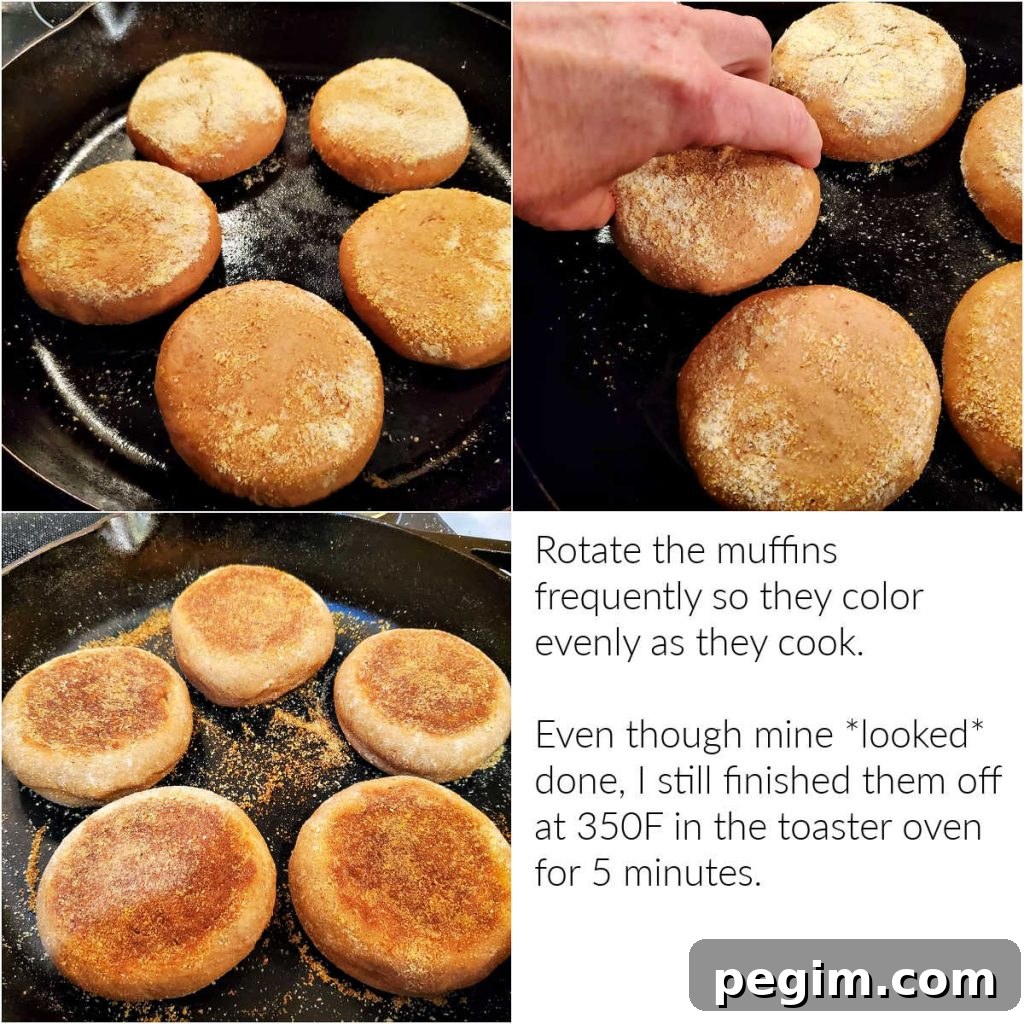
Cook the muffins in a heavy, evenly heated skillet (cast iron works well). Place the discs into a cold, lightly greased skillet, turn the heat to medium-low, and cook, rotating them periodically for even browning. The first side will take longer than the second. Typical timing in my tests was about 12–17 minutes for the first side and 10–12 minutes for the second, then finish in a 350°F oven or toaster oven for 5 minutes to ensure they’re cooked through. Aim for an internal temperature near 195–200°F.
Equipment Recommendations
A large, heavy-bottomed skillet that heats evenly is ideal. A 12″ cast-iron skillet lets you cook several muffins at once and holds heat well for steady, even cooking.
Tips for Success
Mixing the sponge: A wooden spoon handle works great to stir the sponge without extra gadgets.
Cooking tips: Start the first batch in a cold pan and rotate the muffins while they cook. If you’re unsure they’re done, finish them briefly in a 350°F oven to prevent a gummy center.
To split the work across two days: Complete the sponge, finish the dough, shape into a ball, oil and refrigerate overnight. The next day, portion, shape, proof briefly, and cook.
Serving Suggestions
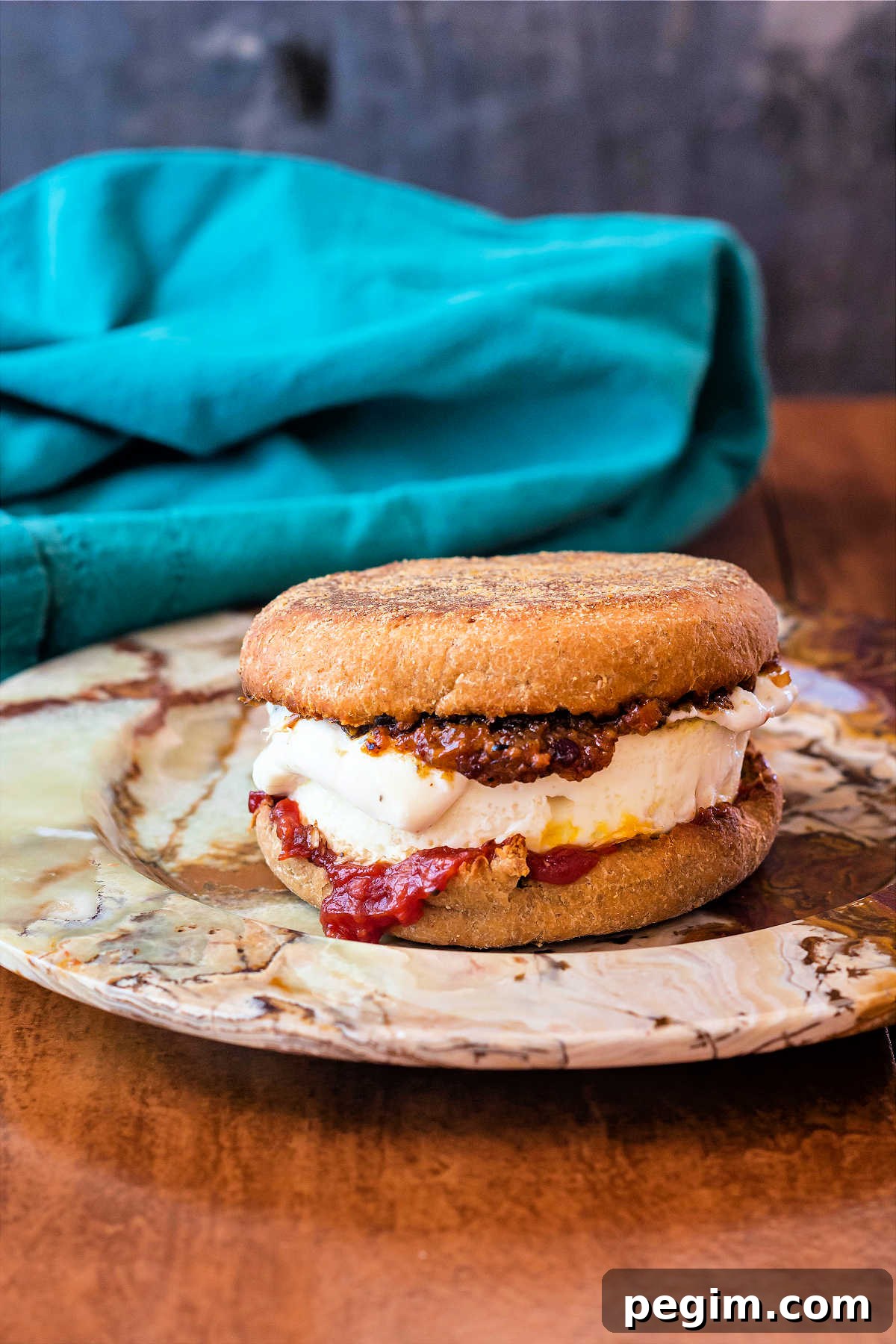
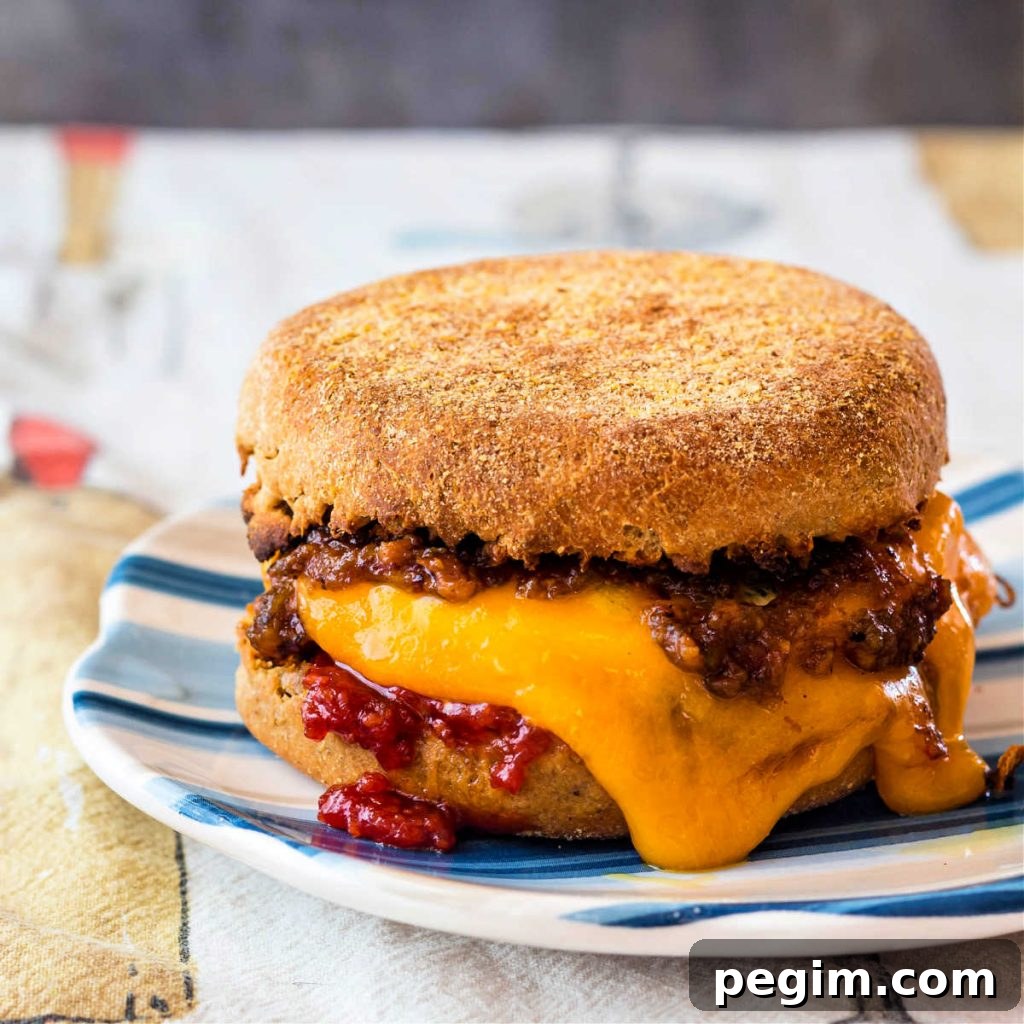
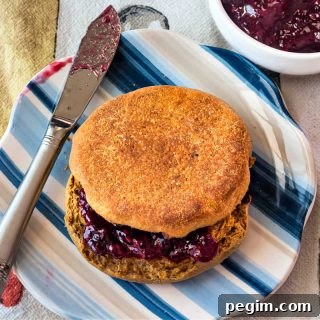
These muffins are excellent toasted with butter and jam, or used as the base for breakfast sandwiches with broiled goat cheese, tomato jam, bacon jam, or a combination of sweet and savory spreads. They also make sturdy, flavorful burger buns.
Q & A
English muffins are best on day one, but they freeze very well. Cool completely, press as much air as possible out of a heavy-duty freezer bag, and freeze for up to three months. Thaw briefly in the microwave, split with a fork, and toast for a fresh result.
Use a fork: pierce the muffin all the way around the equator with the tines, then pull it apart. This preserves the nooks and crannies that hold butter and toppings better than cutting with a knife.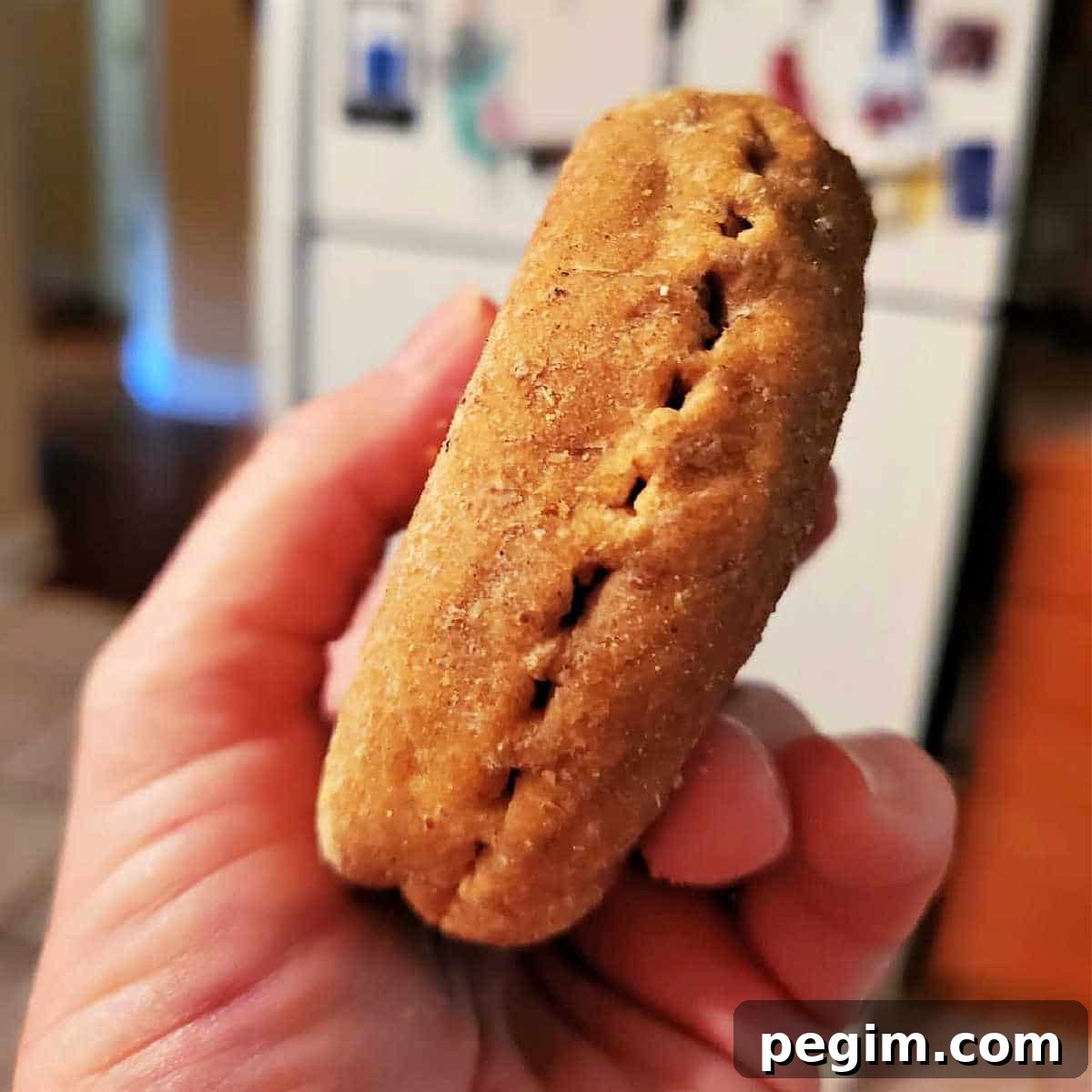
Questions?
If you have questions about the recipe or process, leave a comment and I’ll respond. You can also email me directly.
A Note About Measurements
For consistency and accuracy, these recipes are written by weight wherever possible. If you don’t already have one, a kitchen scale is a worthwhile tool for baking.
Love These English Muffins? Please Rate and Review!
Please take a moment to rate and review if you make this recipe—your feedback helps others and it helps me improve the site. Thank you!

Spent Grain English Muffins
Jennifer Field
Ingredients
For the Sponge
- 8 oz whole milk (about 1 cup)
- 3 oz unsalted butter (6 Tbsp)
- 2 Tbsp malt syrup
- 4 oz spent grain flour
- 4 oz bread flour
- 2 tsp instant yeast
For the Dough
- 8 oz bread flour
- 1 large egg
- 1 ½ tsp kosher salt (about 7 g)
For Shaping and Rising
- Fine cornmeal or semolina, about 1 cup total for dusting
Instructions
To Make the Sponge
- Heat the milk to 180°F and remove from heat. Stir in the butter until melted, then stir in the malt syrup.
- Cool the mixture to no hotter than 120°F.
- Stir in the spent grain flour and 4 oz bread flour until incorporated, then stir in the yeast.
- Cover and let rest on the counter for 4 hours; the sponge will rise and then collapse—this is normal.
To Make the Muffins
- Add the sponge to the mixer bowl. Add the remaining 8 oz bread flour, the egg, and the salt.
- Mix on low with the dough hook until the flour is incorporated (about 2 minutes), then knead on medium for 8–10 minutes until the dough is soft and stretchy.
- Form into a smooth ball, oil the top, cover, and let rise until doubled, about 1½ hours.
- Turn the dough onto an oiled surface, press out gases, and divide into 10 equal pieces (about 3 oz each). Shape into balls and flatten to ½” thick discs.
- Place discs on a parchment-lined sheet dusted with cornmeal or semolina, sprinkle tops with more cornmeal, cover, and proof until puffy, about 45 minutes.
- Heat a large cast-iron skillet over medium-low. Lightly spray the pan and place as many muffins as fit (start in a cold pan). Cook, rotating frequently, until the bottoms are deep golden and sides feel firmer.
- Flip and continue cooking until golden on the second side. Finish in a 350°F oven or toaster oven for 5 minutes to ensure they are cooked through. Internal temperature should reach ~195–200°F.
- Repeat for the second batch, cool completely, then split with a fork and toast to serve.
Notes
To spread the recipe over two days, refrigerate the dough after the first rise and shape the next day. For storage, cool completely and freeze in heavy-duty zip-top bags for up to three months.
Nutrition

Hi, y’all—thanks for reading. If you enjoy this style, consider signing up for my newsletter, The Inbox Pastry Chef, for occasional recipe updates and behind-the-scenes notes.
If you brew at home, spent grain English muffins are a tasty, sustainable way to use your grains. Enjoy the muffins and happy baking!
Take care, y’all.