I was diagnosed with Celiac Disease in 1998 and started using coconut flour soon after for gluten-free baking.
After decades of experimenting and refining recipes, I’ve put together a comprehensive guide: The Ultimate Guide to Coconut Flour.
The Ultimate Guide to Coconut Flour
In this guide you’ll find clear, practical information on:
- Health benefits of coconut flour
- How to use coconut flour in recipes
- Top brands of coconut flour
- Best coconut flour recipes
What is Coconut Flour?
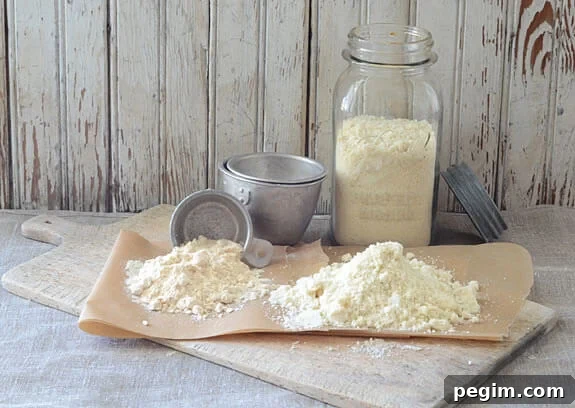
Coconut flour is made from dried coconut meat that’s finely ground. It has a light, airy texture and works especially well for cakes, muffins, and many quick breads.
How to Use Coconut Flour
Coconut flour behaves very differently from wheat or nut flours. It’s extremely absorbent, so recipes usually require far less flour and more liquid or eggs. For example, some recipes call for ½ cup coconut flour with 4 eggs and ½ cup maple syrup to achieve the proper texture.
Expect recipes with coconut flour to have a higher wet-to-dry ratio than those using other flours—this is normal and necessary for good results.
Benefits of Coconut Flour
Coconut flour offers several advantages: a pleasant, mild flavor; cost-effectiveness since a little goes a long way; and a strong nutritional profile. In short, coconut flour is:
- Delicious in baked goods
- Economical compared to other low-carb flours
- Nutritious and suitable for many special diets
Is Coconut Flour Healthy?
Yes. Coconut flour is naturally gluten-free, relatively low in net carbs when used sparingly, and high in fiber. These qualities make it a good choice for people managing conditions such as:
- Celiac Disease
- Diabetes
- Epilepsy
Is Coconut Flour Gluten-Free?
Yes—coconut flour itself is gluten-free and commonly used in gluten-free baking. I use it extensively in my recipes and have a cupcake book that includes many coconut flour recipes.
| Carbs | Protein | Fat | |
|---|---|---|---|
| Almond Flour | 6g | 6g | 14g |
| Coconut Flour | 16g | 5g | 5g |
Is Coconut Flour Low-Carb?
Per ounce, coconut flour shows more carbohydrates than almond flour. However, because coconut flour is so absorbent, you typically use only about 25% of the amount you would use for almond flour in a recipe. Adjusted for actual recipe usage, coconut flour can fit well into low-carb meal plans.
Is Coconut Flour Keto?
Yes. When used properly—meaning in the smaller quantities its absorbency requires—coconut flour works well for the Keto Diet. It pairs nicely with low-carb sweeteners and fits into many keto baking applications.
Best Coconut Flour Brands
Quality matters when baking, so I recommend reliable brands that produce consistent results. My top picks include Pamela’s, Healthworks, and Nuts.com. In my kitchen tests, these brands performed well in recipes like my Cranberry Orange Biscuits.
Different brands can yield different textures—some flours produce a perfect rise and structure while others may spread more. I share my hands-on findings so you know what to expect when you try a recipe.
The Best Brands of Coconut Flour
- Pamela’s
- Healthworks
- Nuts.com
How to Store Coconut Flour
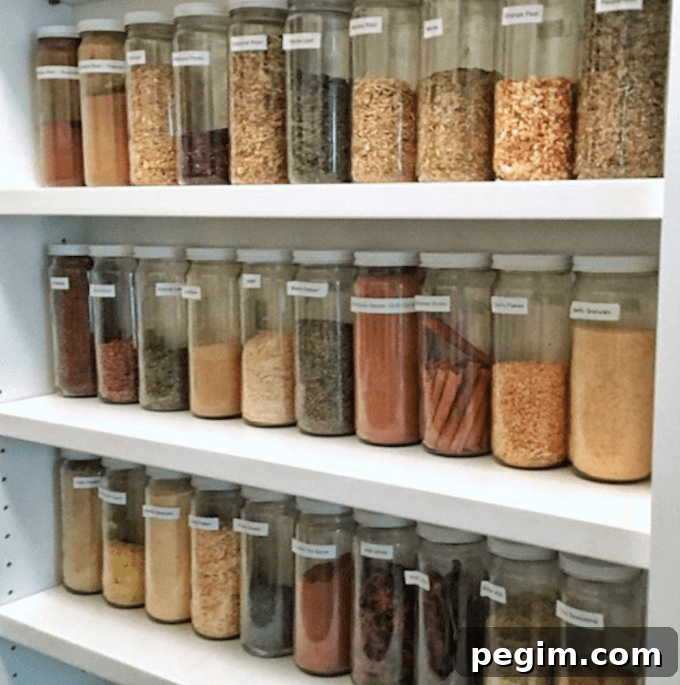
Store coconut flour in an airtight container in a cool, dry place. I prefer glass jars for pantry storage because they keep ingredients fresh and are easy to label.
How to Measure Flour
Measuring technique affects baking outcomes. I use the “dip and sweep” method—dip the measuring cup into the flour, scoop it, then level with a knife. For my recipes, 1/4 cup coconut flour should weigh about 1 ounce to ensure consistent results.
¼ cup coconut flour = 1 ounce
Coconut Flour vs. Almond Flour
Coconut flour is much lighter and drier than almond flour, which is denser and oilier. Almond flour is ideal for cookies that need a crunchy texture; coconut flour excels in muffins, scones, and other tender baked goods.
Can Coconut Flour be Substituted for Almond Flour?
No—because their properties differ so greatly, you can’t substitute coconut flour for almond flour on a 1:1 basis. Recipes must be reformulated to account for coconut flour’s absorbency and lighter texture.
Coconut Flour Recipes
All of my coconut flour recipes are gluten-free and many are also nut-free. If you need exclusively nut-free options, I highlight those separately.
My Favorite Coconut Flour Recipes
Over the years I’ve perfected several low-carb coconut flour recipes. Here are some favorites that consistently deliver great results:
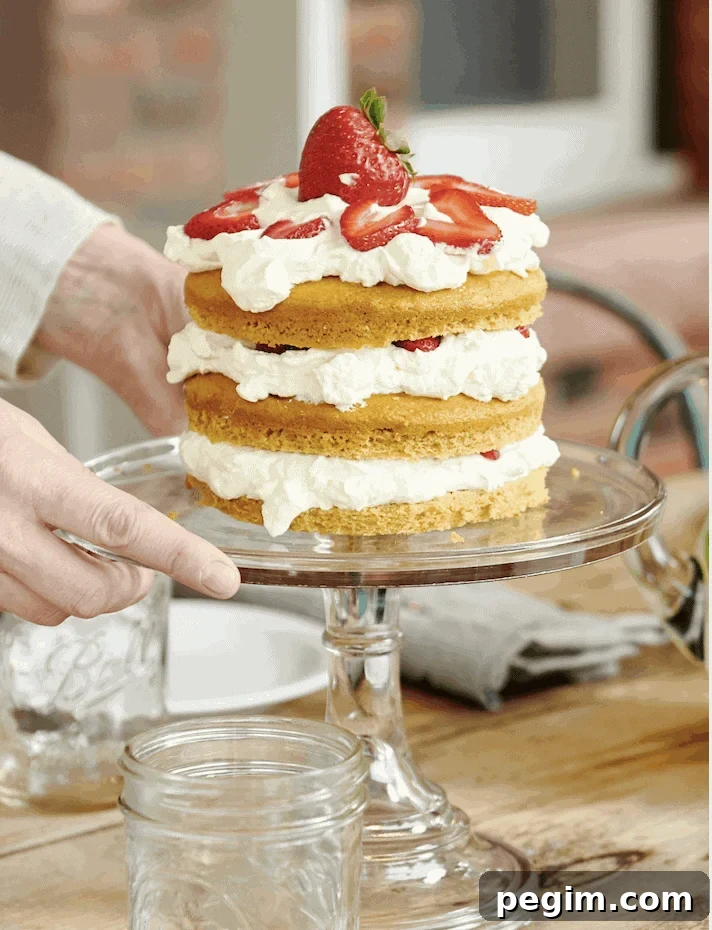
Low-Carb Strawberry Shortcake
A light, spongy vanilla cake made with just a few ingredients. Layer with fresh strawberries and whipped cream for an effortless, crowd-pleasing dessert.
Nut-Free Carrot Cake
This simple, beloved recipe uses no nuts or almond flour. It’s easy to make and delivers great flavor and texture with minimal ingredients.
Low-Carb Chocolate Donuts
Light and flavorful, these chocolate donuts have been a family favorite since I first developed the recipe.
Nut-Free Egg-Free Pie Crust
A versatile crust that works well with both chilled and baked fillings, made without nuts or eggs.
Keto Nut-Free Zucchini Bread
This zucchini bread is gluten-free, sugar-free, and nut-free—perfect for breakfast, an afternoon snack, or a healthy dessert.
Pumpkin Chocolate Chip Cookies
These nut-free, egg-free cookies are crispy on the outside with a tender crumb inside—an excellent option when you want a classic cookie without nuts.
Coconut Flour in Cookies
Coconut flour isn’t commonly used in most cookie recipes because of its dryness, but there are standout exceptions like the Pumpkin Chocolate Chip Cookies. Coconut flour shines in scones and biscuits as well—try recipes such as Chocolate Chip Scones and Cranberry Orange Scones for great results.
The Best Coconut Flour Recipes
All my coconut flour recipes are gluten-free and free of refined sugar. If you don’t find what you’re looking for here, leave a comment on a recipe post and I’ll consider adding it.