Want a perfectly brown, crisp-skinned Thanksgiving turkey with juicy, flavorful meat? Here’s a clear, easy guide to dry brining a turkey — a technique I’ve relied on for years. Dry brining produces beautifully browned, crisp skin without the fuss of wet brining, and it concentrates flavor throughout the bird. Follow these steps and tips to brine, dry, roast, and rest your turkey with confidence.
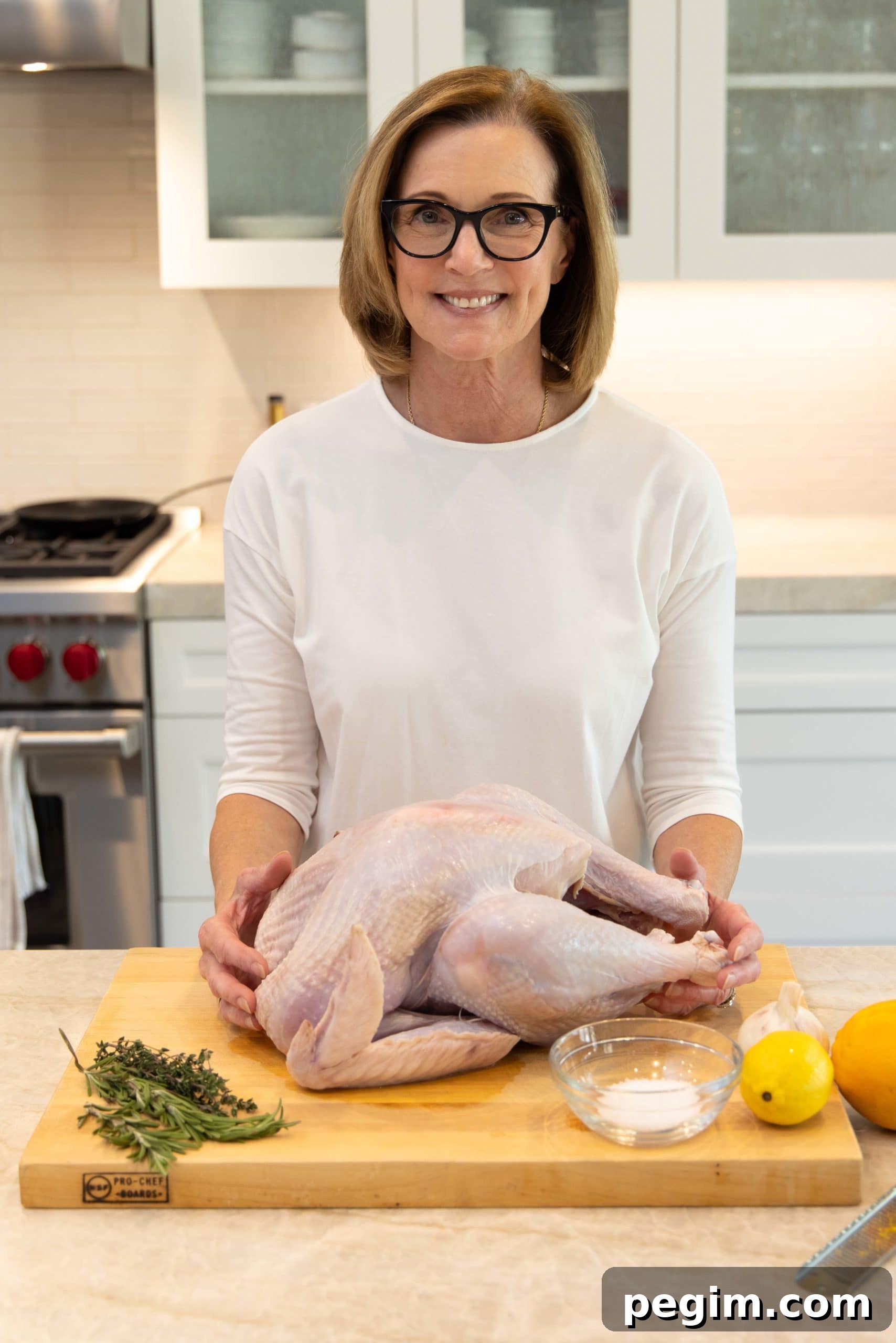
Once you try dry brining, wet brining will feel unnecessary. Dry brining is simple: salt and aromatics are rubbed on and into the bird, then it rests in the refrigerator so the salt can season and tenderize the meat while the skin dries for crisping. The result is reliably moist meat and golden skin.
Why You’ll Love Dry Brining a Turkey
- Simple and low-effort.
- Consistently great results: juicy meat and crisp skin.
- No heavy buckets, hoses, or soggy skin to worry about.
Ingredients You Need
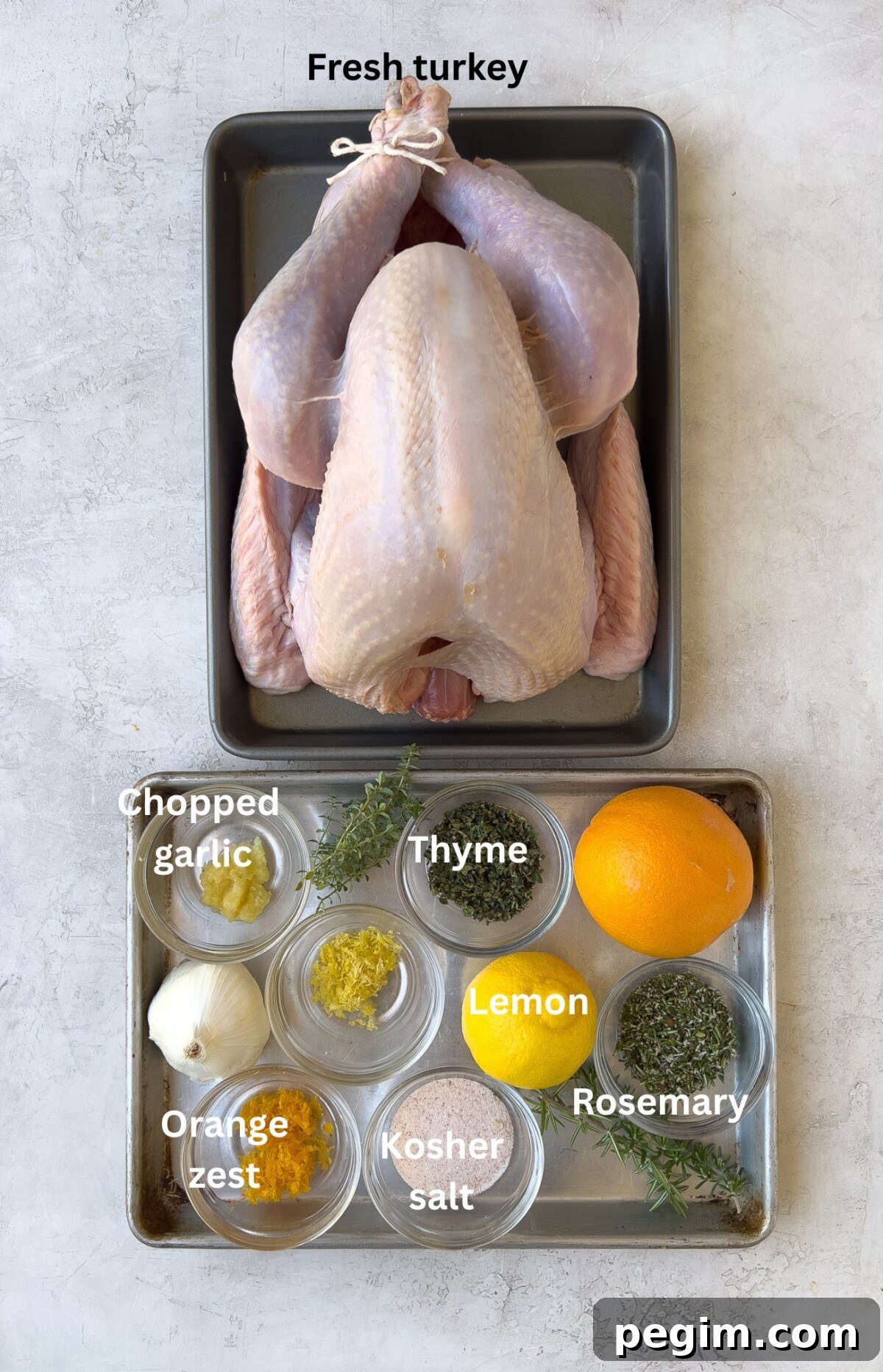
- Turkey: A fresh, no-salt-added bird around 12–15 pounds is easiest to handle and roast. See portion guidance below.
- Salt: Kosher sea salt for the dry brine. Salt type and density change volume-to-weight, so see the salt notes below for adjustments.
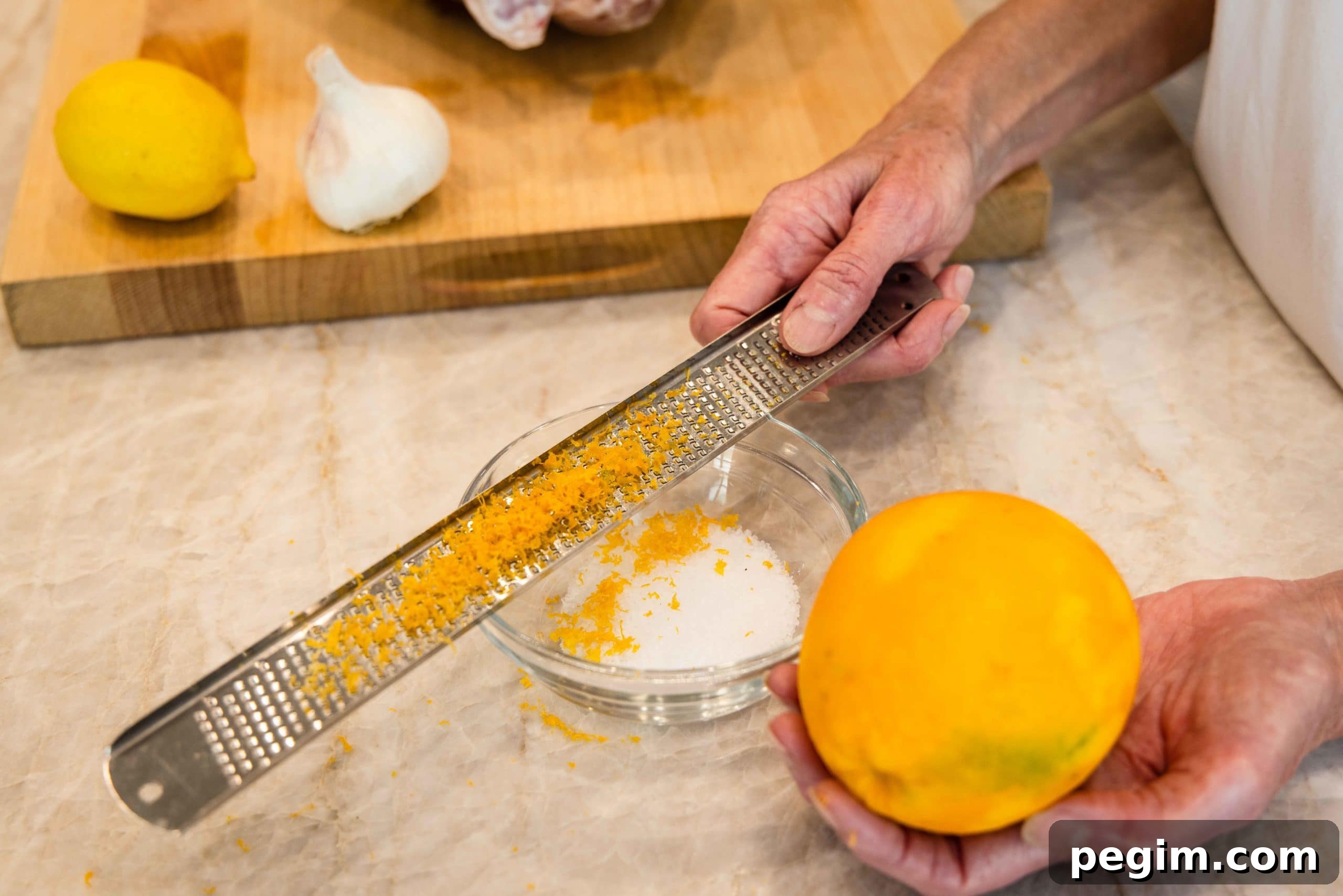
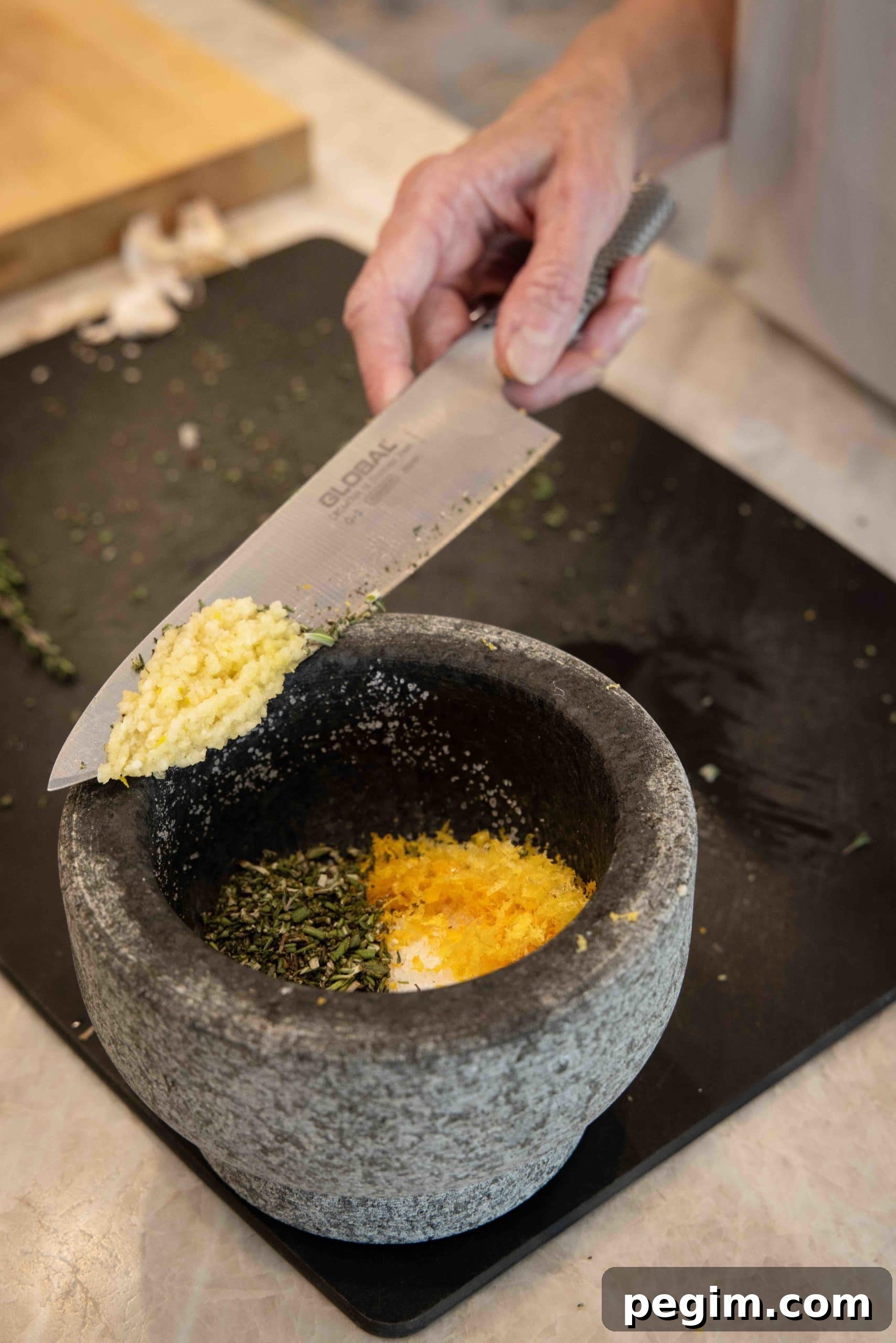
- Citrus: Fresh lemon and orange zests — the zest holds aromatic oils you want in the rub.
- Herbs: Fresh rosemary and thyme for bright herb flavor; fresh herbs work better than dried for this use.
- Garlic: Finely grated or zested garlic (a microplane works well); alternatively finely mince or press the garlic.
Refer to the recipe section for exact measurements and tools.
Let’s Talk Salt
Because brining is a salt-driven technique, salt weight matters. Different kosher salts vary by density, so use the weight guidance below when measuring by volume. The examples are for a roughly 14–15 pound bird and will help you scale for other sizes.
- La Baleine Kosher Sea Salt: about 18 g per tablespoon → 3 tablespoons ≈ 54 g. Fine texture, dissolves well.
- Morton Coarse Kosher: about 18 g per tablespoon → 3 tablespoons ≈ 54 g. Denser grains, reliable.
- Diamond Crystal Kosher: about 11 g per tablespoon → 5 tablespoons ≈ 55 g. Light and flaky; requires more volume.
How to Dry Brine a Turkey
The amount of salt depends on the bird’s weight. As a rule of thumb, use roughly 1 tablespoon kosher salt per 5 pounds of turkey and scale the herbs and aromatics accordingly. Exact measures are listed in the recipe card below.
Prepare the Turkey
Unwrap the turkey and remove any bag of giblets from the cavity. Trim excess skin at the tail, then pat the turkey dry inside and out with paper towels. Do this over a rimmed sheet or the sink and sanitize surfaces afterward.
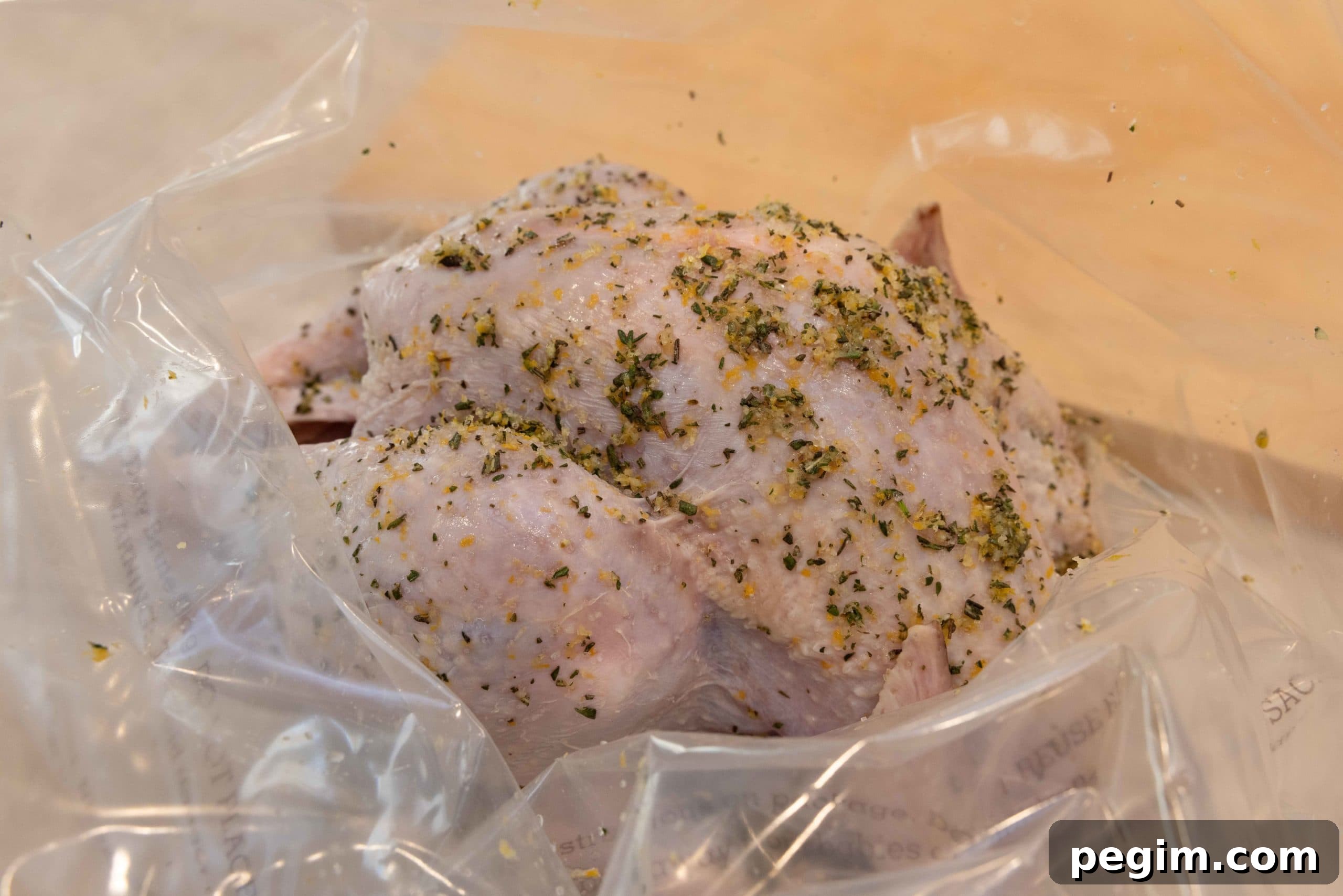
Rub Turkey and Refrigerate
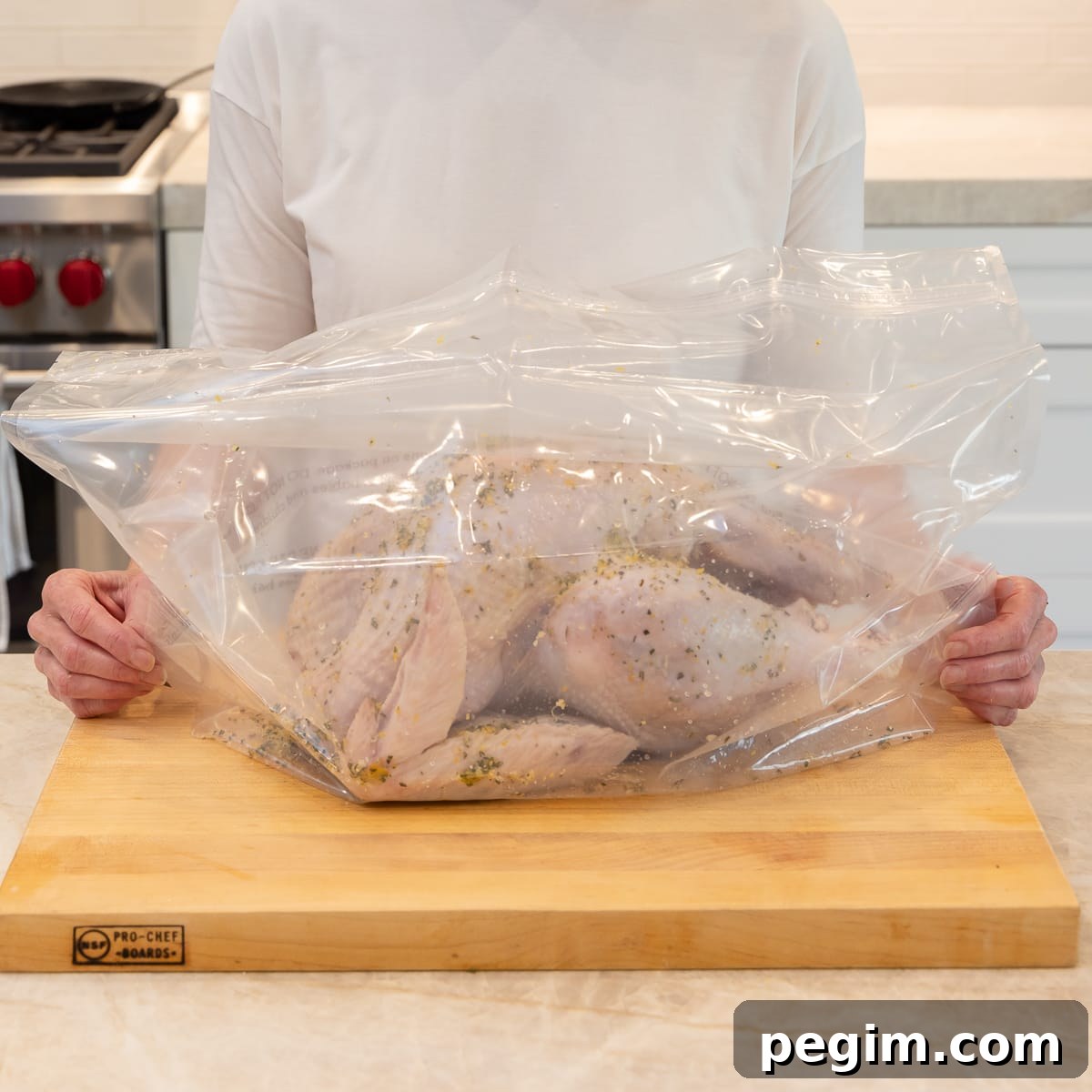
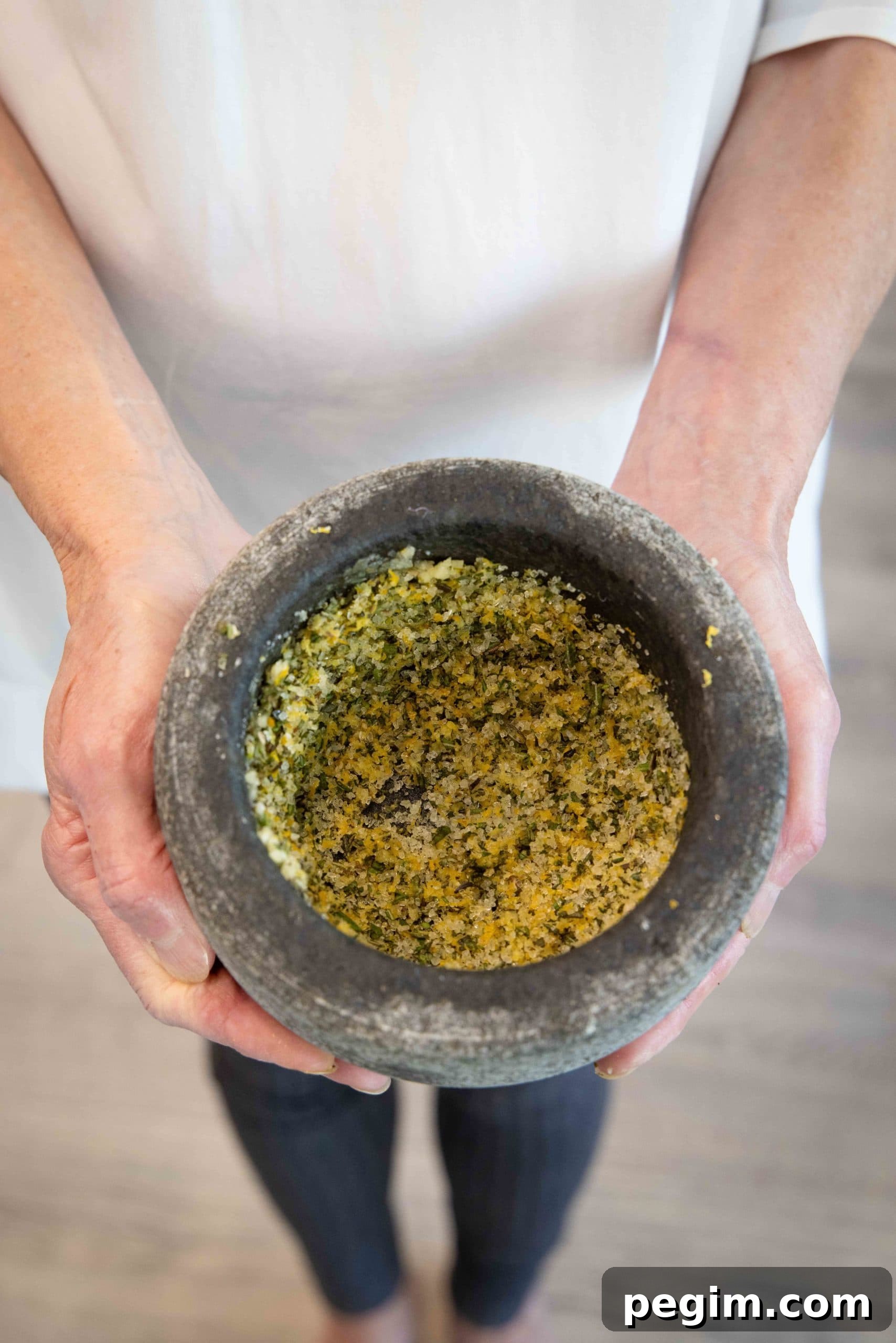
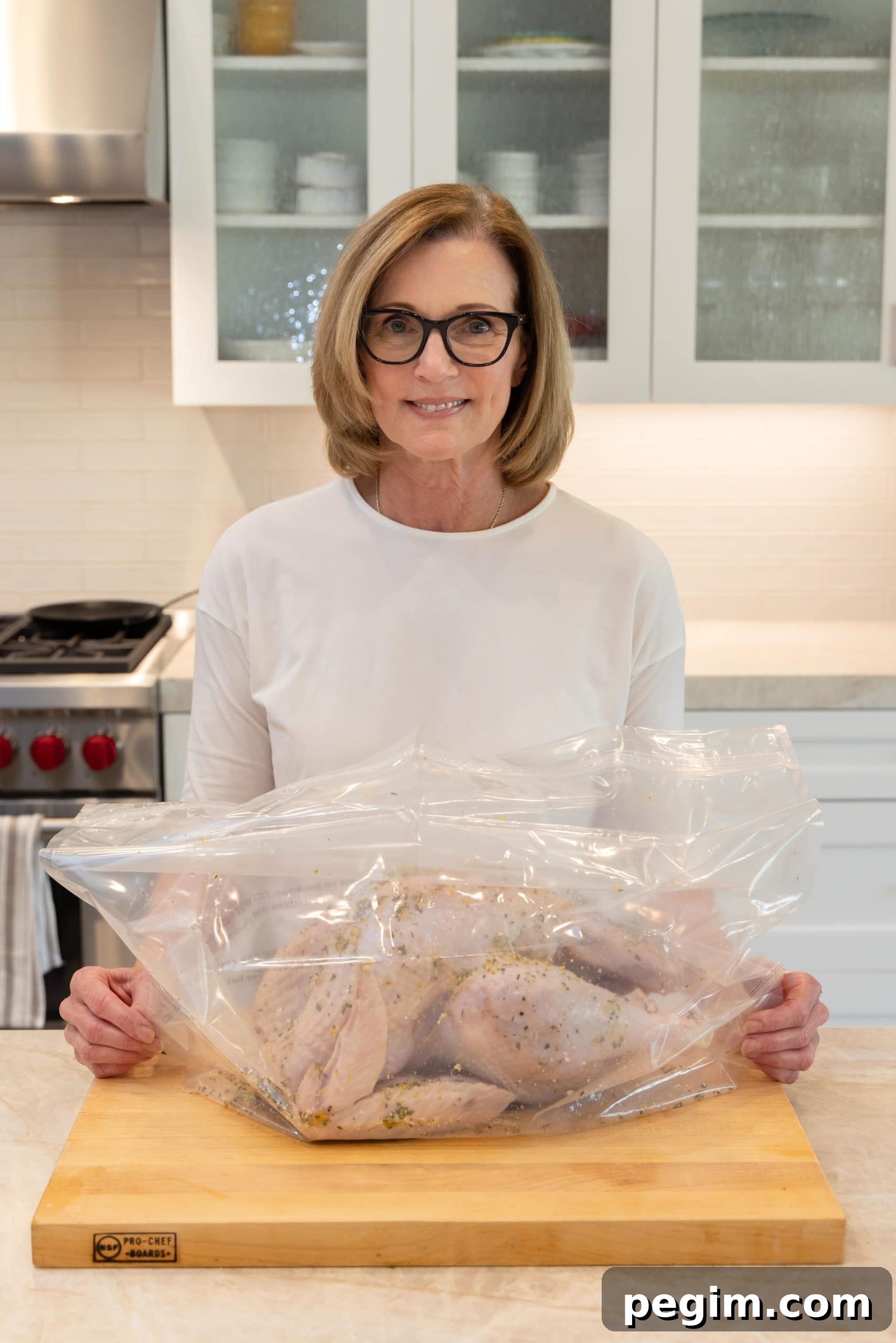
Rub the dry-brine mixture over the breast and legs, and a little inside the cavity. Place the turkey in a heavy-duty, sealable brining bag, seal, and refrigerate for 2–3 days. The turkey should look seasoned but not oversalted. Massage the bird through the bag once daily to help the rub distribute.
Drying to Crisp Skin
The day before roasting, remove the turkey from the bag and discard the bag. Brush away any excess dry rub and pat the turkey dry with paper towels — do not rinse. Place the bird on a wire rack set over a rimmed baking sheet and refrigerate uncovered for about 12 hours. This drying step is key to crisp, golden skin.
How to Roast Turkey
On roasting day, bring the turkey out of the refrigerator 1 to 1½ hours before roasting to take the chill off. Tuck the wing tips under the body and roast on the lower oven rack. I roast at 325°F and do not turn the bird — it cooks evenly without turning and remains safer to handle. Roast until a digital thermometer inserted into the thickest part of the thigh (not touching bone) reads about 170–175°F.
How Much Turkey Per Person
For leftovers, plan about 1½ pounds per person. If you don’t want leftovers, about 1 pound per person is sufficient. A 14–15 pound turkey serves roughly 8–10 people with some leftovers and is easier to roast than a much larger bird. If you have more guests, consider a second turkey or a turkey breast.
Fresh vs. Frozen Turkey
Fresh, no-thaw birds simplify timing and allow the full brine window. If you buy frozen, allow roughly 24 hours of refrigerator thawing per 4–5 pounds of turkey and plan to cook it immediately once fully thawed. If your fridge stays reliably at or below 40°F, many cooks will hold a thawed turkey for up to one day before roasting, but when in doubt roast as soon as it’s safely thawed.
Avoid brining birds labeled “enhanced,” “self-basting,” or “contains a solution” — those are already salted and don’t need a brine.
Make a Compound Butter for a Turkey
A compound butter (butter mixed with herbs, garlic, and citrus) added under and over the skin before roasting boosts flavor and encourages a golden crust. Make it ahead and rub it on just before roasting for extra richness. I often use an herb-citrus compound butter under the breast skin and over the exterior before the oven.
Stuff the Cavity
For aromatic flavor, loosely fill the cavity with chopped onion, carrot, celery, whole garlic cloves, and more fresh herbs. Tie the legs loosely with kitchen twine to help the bird roast evenly.
Roast the Turkey
Use a roasting pan with a rack to lift the bird above the pan. Add root vegetables under the rack for flavor and, later in the roast, add turkey broth so drippings don’t burn and you have a base for gravy. Roast at 325°F on the lower oven rack until the thigh reaches 170–175°F.
Rest the Turkey
After roasting, tent the turkey loosely with foil and rest for at least 20–30 minutes, up to 45 minutes for larger birds. Resting lets juices redistribute; carving too early releases those juices and dries the meat.
Chef’s Tips: Prepare a plan and timeline for Thanksgiving to keep things smooth. Wear disposable prep gloves when handling raw poultry, and use a microplane for fine citrus zest.
Recipe FAQs
About 2–3 days for best results. If you only have 1 day, it still helps, but the full 2–3 days is ideal.
Start on Sunday or Monday before the holiday so you have 2–3 days of brining time.
Do not rinse. Rinsing adds moisture and prevents the skin from crisping. Brush off any large salt clumps and pat the bird dry with paper towels instead.
Turkey Side Dish Ideas
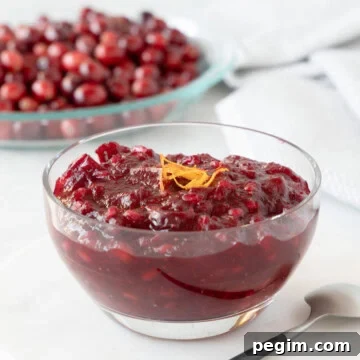
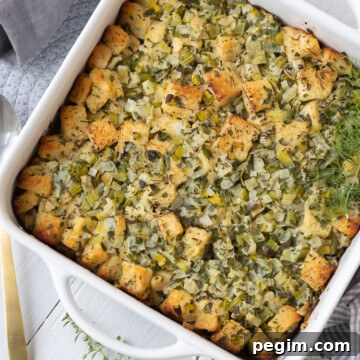
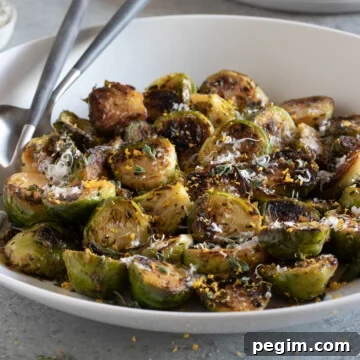
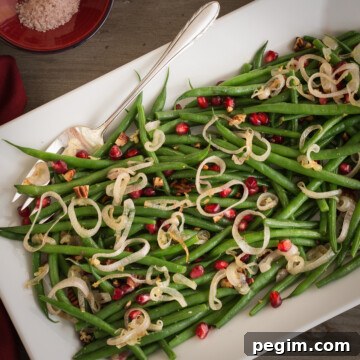
Serve your turkey with classic sides such as cranberry sauce, herbed stuffing, sautéed Brussels sprouts, and green beans. Choose dishes that complement the bright herb and citrus notes from the brine. If you try this method, share your results in the comments and a star rating if you enjoyed it.
 Whole Berry Cranberry Sauce
-
Gluten Free Thanksgiving Stuffing Recipe
-
Sautéed Brussels Sprouts with Lemon and Thyme
-
Super Easy Thanksgiving Green Beans
⭐️Did You Make This?
If you dry brine your turkey, please leave a comment and a rating — it helps other readers and I love hearing how your bird turned out.
📖 Recipe

How to Dry Brine Turkey
Sally Cameron
Equipment
- A large heavy, closable brining bag
- Wire rack and rimmed baking sheet for drying
- Room in the refrigerator for the bird to rest uncovered
Ingredients
Dry Brine
- 3–5 tablespoons kosher sea salt (amount depends on salt brand; see notes)
- 1 ½ tablespoons fresh chopped rosemary
- 1 ½ tablespoons fresh chopped thyme leaves
- 1 large orange, zested
- 1 large lemon, zested
- 2 garlic cloves, grated or finely chopped
Turkey
- 14–15 pound fresh turkey
- ½ stick unsalted butter (dairy or plant-based), optional for roasting
Instructions
Make the Dry Brine
- Add salt, rosemary, thyme, citrus zests, and garlic to a mortar (or small bowl, spice grinder, or mini food processor). Grind or mix until well combined and fine.
Dry Brine the Turkey (2–3 days)
- Remove turkey from packaging over a sink or rimmed sheet. Pat dry. Place turkey in a large brining bag. Sprinkle the rub over the breast and legs and a little inside the cavity. Seal the bag and refrigerate for 2–3 days, massaging the rub into the bird once a day.
Drying the Turkey (Day Before Roasting)
- Remove turkey from the bag, discard the bag, brush off excess salt, and pat dry. Place turkey on a wire rack over a rimmed baking sheet and refrigerate uncovered overnight (about 12 hours) to dry the skin.
Roasting Day
- Bring turkey out of the fridge 1–1½ hours before roasting. Roast at 325°F until the thigh reaches 170–175°F. Let rest 20–45 minutes before carving.
Notes
To scale the dry rub, use about 1 tablespoon kosher sea salt per 5 pounds of turkey and adjust herbs and citrus proportionally.
For roasting tips and how much broth or vegetables to add to the pan, follow the roasting guidance above. A compound butter rubbed under the skin before roasting adds flavor and helps browning.
Salt weight reference used when measuring by volume:
- La Baleine Kosher Sea Salt: ~18 g per tablespoon (3 tbsp ≈ 54 g).
- Morton Coarse Kosher: ~18 g per tablespoon (3 tbsp ≈ 54 g).
- Diamond Crystal Kosher: ~11 g per tablespoon (5 tbsp ≈ 55 g).
Nutrition
Protein: 105 g • Fat: 33 g • Sodium: 2722 mg
Let us know how it went with a comment and star rating.