Learn how to clean and condition leather with this effective homemade leather sofa cleaner and conditioner.

Leather is a durable, flexible material made from animal hide. It stands up well to everyday use, and for many homes—especially those with children—leather furniture is a practical choice. Compared with fabric upholstery, leather tends to hide dirt and is easier to wipe clean and maintain.
If your leather sofa looks worn or stained, you don’t need expensive products to refresh it. A gentle, homemade solution of warm water, a mild soap, and a small amount of white vinegar will often remove surface grime and prepare the leather for conditioning.
Homemade Leather Cleaner
Always clean leather before conditioning. This simple cleaner can remove dirt and many common stains without harsh chemicals.
Ingredients
- 2 cups warm water
- 1 teaspoon very mild soap (baby soap, castile soap, or a gentle cold-process soap)
- 2–3 drops white distilled vinegar
Instructions
- Combine the warm water, mild soap, and vinegar in a small bucket or bowl.
- Dip a microfiber cloth into the mixture and wring it out so it is damp, not wet.
- Gently wipe or scrub the leather surface to remove dirt and stains.
- If any residue remains, pat dry with a clean cloth.
- Allow the leather to air dry completely before applying a conditioner.
Tip: If you notice any lingering residue after cleaning, wipe the area with a dry microfiber cloth. Always let leather dry fully before conditioning.
What to Use to Condition Leather
Over time leather can dry, develop cracks, or look dull, especially when exposed to sunlight. Because leather is porous, regular cleaning and conditioning help prevent dirt and oils from embedding in the surface and keep the material supple.
Natural oils—such as coconut oil or mink oil—are commonly used to condition leather. Mink oil, in particular, is frequently included in commercial leather conditioners and can be very effective at restoring softness and shine. Avoid using regular olive oil, which can darken or damage leather over time.
Homemade Leather Conditioner
You can create a simple conditioner at home using a base oil and a few drops of a mild essential oil for fragrance if you like. Always test any conditioner on a small, hidden area first because leather treatments and dyes vary and can react differently.
Ingredients / Supplies
- Coconut oil or mink oil
- 3–5 drops lemon essential oil (optional for fresh scent)
- Microfiber cloth
How to Condition Leather
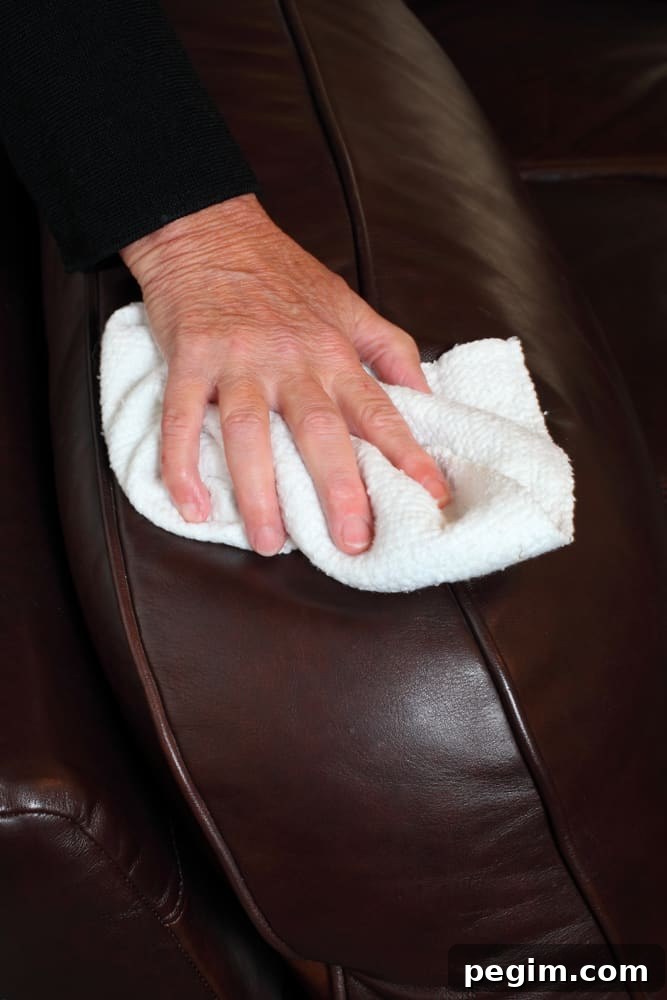
- Clear the sofa of pillows and accessories.
- Dust the leather with a soft cloth or vacuum with a soft brush attachment to remove loose dirt.
- Clean the leather using the homemade cleaner above and let it dry completely—overnight drying is ideal.
- Test the conditioner on an inconspicuous spot (underside or back) to ensure no discoloration or damage.
- Apply a small amount of oil-based conditioner to a microfiber cloth and work it into the leather using circular motions.
- Wipe away any excess conditioner with a clean cloth.
- Allow the leather to air dry. Repeat if necessary, but less is often more; avoid over-oiling.
Best Essential Oils for Leather
Lemon essential oil can be added sparingly to a cleaner or conditioner to freshen the leather with a light citrus scent. If you use essential oils, only add a few drops to the base oil to avoid leaving residue or affecting the leather’s finish.
Does Vinegar Ruin Leather?
Vinegar is a strong cleaner and can damage leather if used undiluted or in excess. When diluted—just a few drops in a bowl of warm water—white distilled vinegar can safely help clean and sanitize leather. After using any vinegar solution, wipe away excess and allow the leather to dry. Always test first on a hidden area.
Cleaning Protected Leather
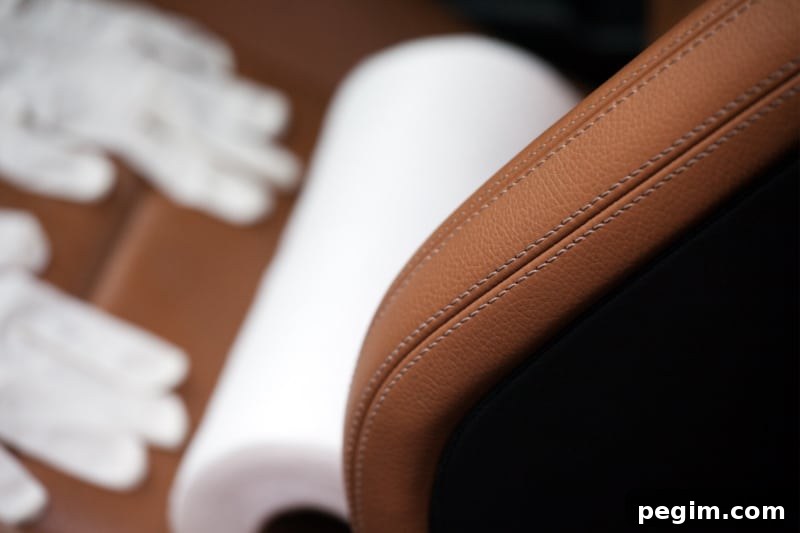
Protected leather (treated or pigment-colored leather) is usually easier to maintain than unfinished leather. Often a damp microfiber cloth is enough to remove crumbs, spills, or sticky residue. For tougher marks, the diluted vinegar cleaner above can be used, followed by air drying.
Caring for Leather Furniture
To keep leather at its best, clean and condition regularly. A monthly light conditioning is a good routine for frequently used pieces. Avoid eating or drinking on leather to reduce spills and stains, and try to keep pets off furniture to prevent scratches. If light scratches appear, sometimes cleaning and conditioning the area can help reduce their appearance.
Leather Cleaning Hacks
Always remove dust and loose dirt before applying any cleaner or conditioner—this prevents oils from pushing grime deeper into the material. For fresh spills, blot immediately with a dry cloth. For greasy spots, sprinkle a little baking soda to lift oil before brushing or wiping away gently.
How to Remove Ink Stains from Leather
Minor ink marks can sometimes be removed with a warm, soapy cloth. For stubborn ink, a diluted rubbing alcohol solution (equal parts rubbing alcohol and water) applied sparingly with a cotton ball can work. Rub very gently in a circular motion and stop if the color of the leather is affected. Always test on a hidden area first.
Homemade Leather Sofa Cleaner

Equipment
- Small bucket or bowl
Ingredients
- 2 cups warm water
- 1 teaspoon mild soap
- 2–3 drops white distilled vinegar
- Microfiber cloth
Instructions
- Mix all ingredients in a small bucket or bowl.
- Dab a microfiber cloth in the liquid and wring it out until damp.
- Gently scrub the leather to clean.
- Pat dry any excess residue with a clean cloth and allow to air-dry before conditioning.
Notes
Perform a patch test in an inconspicuous area before cleaning or conditioning the entire couch to ensure compatibility with your leather’s finish.
Share a photo of your refreshed leather sofa.
This guide is for informational purposes only. Test products on a small area and proceed with care.