
This post is all about Whole30 prep—perfect if you’re planning to kick off the New Year with a reset and cleaner eating. If the holidays left you feeling sluggish, bloated, or a little off-kilter, you’re not alone. Seasonal indulgence can lead to achy joints, brain fog, and extra padding. The good news: a focused 30-day approach can help you feel stronger, clearer, and more energized.
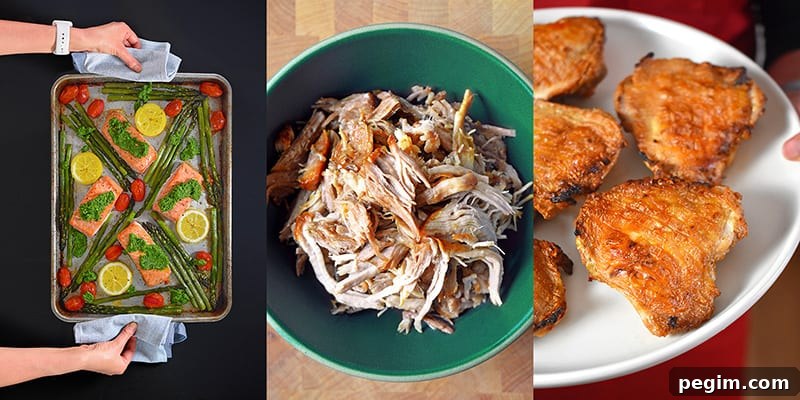
If you’re starting a Whole30, here’s what to expect and how to prepare. I’ll be sharing a Whole30-friendly Paleo recipe every day in January to keep your meals varied, satisfying, and nutrient-dense. Some recipes come from my existing archive, others are new. My aim is to keep your palate excited so you don’t find yourself reaching for convenience foods out of boredom.
What Is a Whole30?
The Whole30 is a structured 30-day dietary reset intended to remove common inflammatory or problematic foods so you can better understand how different foods affect your body and mind. For one month you eliminate sugar, dairy, grains, legumes, alcohol, and processed or junk foods—even those marketed as “healthy.” Instead, you focus on whole, nutrient-dense foods: vegetables, fruit, high-quality proteins, healthy fats, and seasonings. The goal is to give your system a break and then reintroduce foods systematically to learn what supports your well-being.
Is Whole30 the same as eating Paleo? They overlap a lot, but there are distinctions. Many Paleo recipes are compatible with Whole30, but Whole30 is stricter about eliminating treats that mimic baked goods, pancakes, or desserts—even if they use “Paleo” ingredients. The Whole30 emphasizes learning and experimentation rather than substituting processed favorites with alternative versions.
This Seems Hard. Is It?
Yes, it can be challenging to fully adhere to the rules for 30 consecutive days. But the Whole30 is intentionally simple in focus: make good food choices for 30 days—no calorie counting, no weighing, and no need to buy everything organic or grass-fed unless you want to. The primary job is to stick to the rules for the month and pay attention to how you feel.
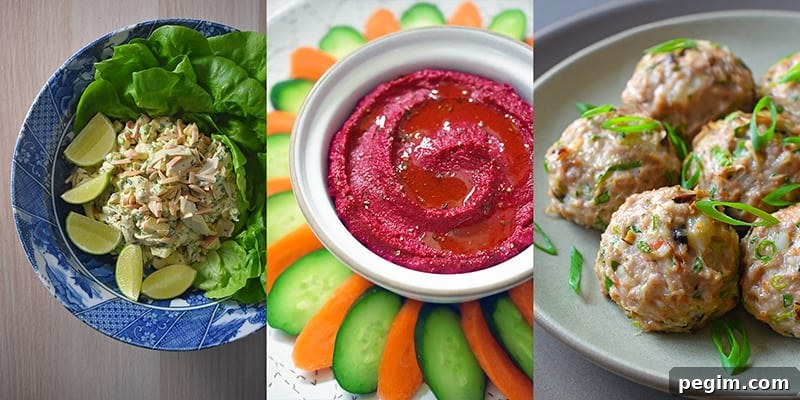
The hardest part is boredom. Eating only plain, repetitive meals will make the month feel interminable. That’s why varied, flavorful recipes and good meal planning matter—so you stay motivated and nourished without giving in to cravings.
Learn More About Whole30
To get started, read the official Whole30 program materials and familiarise yourself with the rules and reintroduction process. There are books and guides that explain the science and the practical steps for a successful reset. These resources also include daily tips and recipes to help you stay on track and understand results when you reintroduce foods at the end of the program.
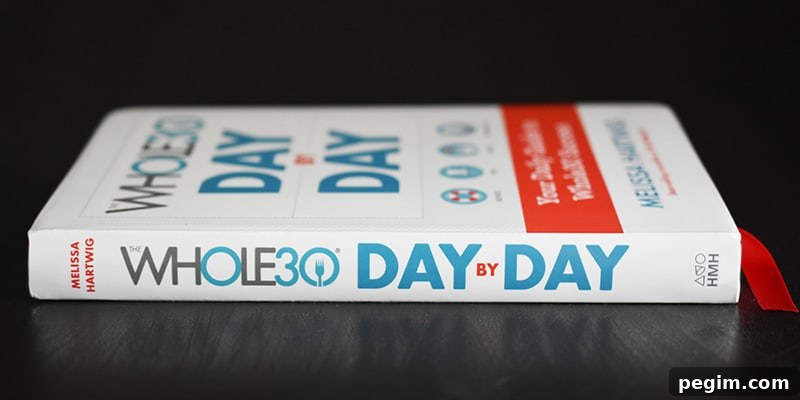
Get Inspired
Look for Whole30-friendly recipe collections and a wide variety of meal ideas to keep food exciting. A robust recipe index or cookbook can be invaluable when you need inspiration for breakfast, lunch, dinner, and snacks. Subscribe to recipe newsletters or follow food accounts that focus on clean, whole-food cooking so you have fresh ideas at your fingertips throughout the month.
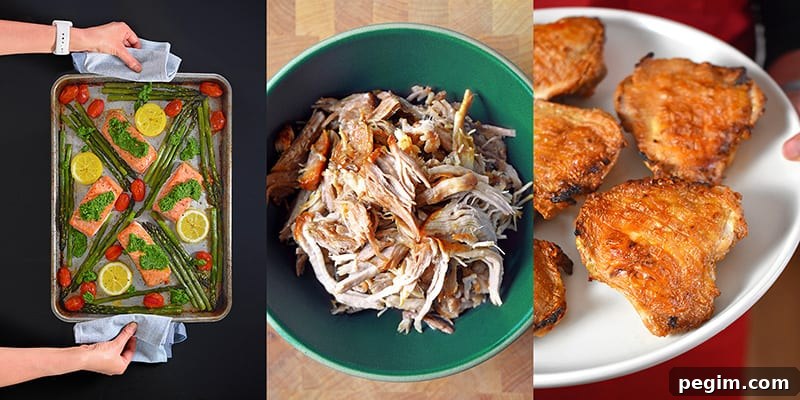
Get Support
Doing a Whole30 with others makes the process more fun and sustainable. Recruit friends, family, or coworkers to join you so you can share tips, successes, and recipes. If you can’t find someone nearby, online forums and community groups offer encouragement and accountability. Group support helps you navigate social situations and keeps motivation high.

Stock Your Kitchen for Success
Start by clearing out tempting processed items and restocking your pantry and fridge with Whole30-friendly staples: fresh vegetables, fruits, quality meats and seafood, eggs, nuts and seeds (if tolerated), healthy cooking oils, and basic spices. A well-stocked kitchen dramatically reduces the friction of preparing compliant meals and helps you avoid last-minute takeout.
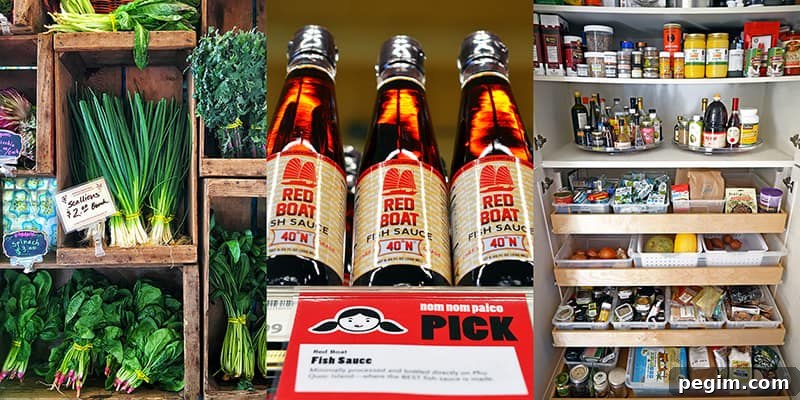
Essential kitchen tools that make cooking easier include a good chef’s knife, cutting board, a large skillet, silicone spatula, rimmed baking sheet, measuring cups and spoons. Useful extras are a food processor, high-speed blender or immersion blender, and a pressure cooker or multicooker for hands-off meals. Investing in a few reliable tools will save time and make home cooking more enjoyable.
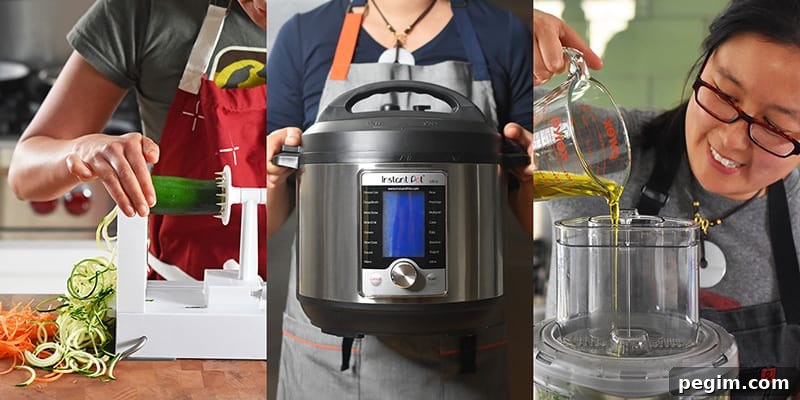
Cook Up a Storm
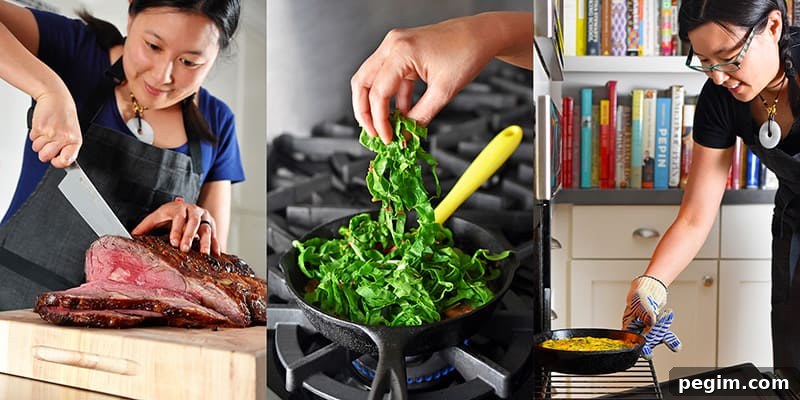
Cooking at home is the most effective way to control ingredients and learn how foods affect you. Practice simple techniques and build a repertoire of quick, balanced meals. If you’re new to cooking, start with basic recipes and gradually expand your skills. Preparing meals from scratch makes you more mindful about what goes into your body and reduces reliance on convenience foods.
Make Enough for Leftovers
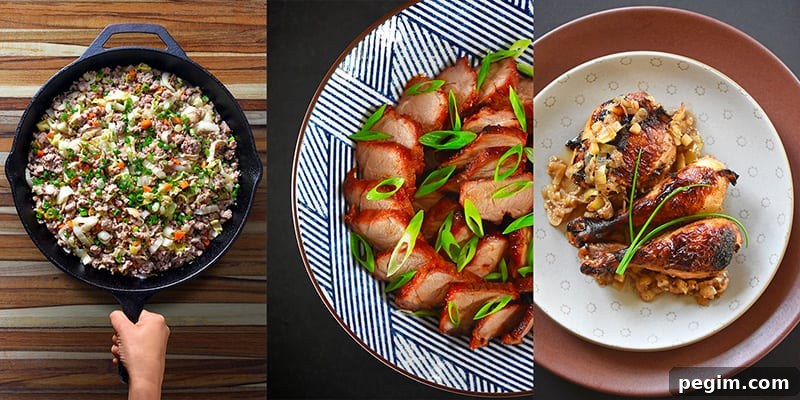
Leftovers are a Whole30 lifesaver. Cooking larger batches and repurposing extras into new meals saves time and keeps food interesting. Learning to transform leftovers into tasty lunches or weeknight dinners reduces cooking fatigue and helps you stay consistent without living in the kitchen.
In Case of Emergency
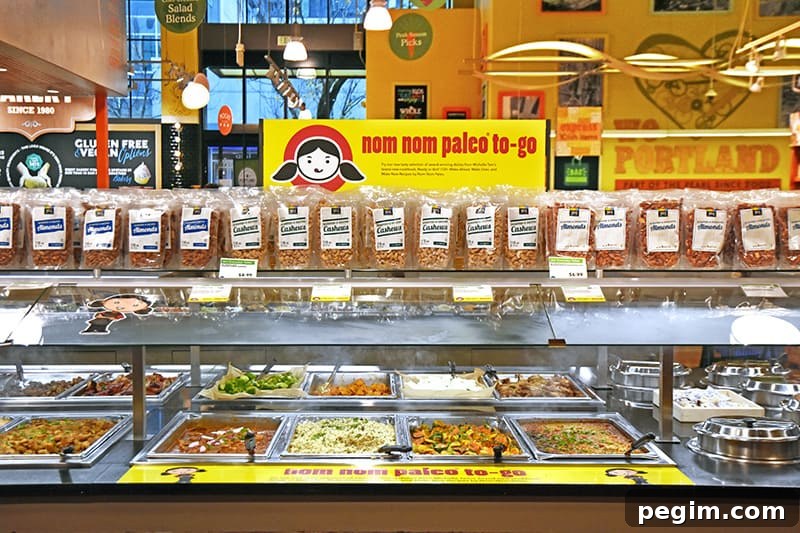
You don’t have to cook every single meal from scratch. Identify reliable ready-to-eat or prepared options that fit Whole30 rules for those busy days. Planning for emergencies prevents sliding back into old habits when life gets hectic. With a mix of fresh cooking and smart emergency options, you can maintain momentum without burnout.
Gear up for a focused, flavorful January. Keep your kitchen adventures fun, find a buddy or community for support, and approach the Whole30 as an experiment in discovering what helps you feel your best. If you have questions or tips for fellow participants, share them in the comments. Ready to begin? Let’s do this together.
Note: This post is part of a series of daily entries intended to support anyone doing a Whole30. Use recipe indexes, cookbooks, and meal-planning resources to stay inspired, and remember that the objective is learning what foods make you feel like a healthier, more energized version of yourself.