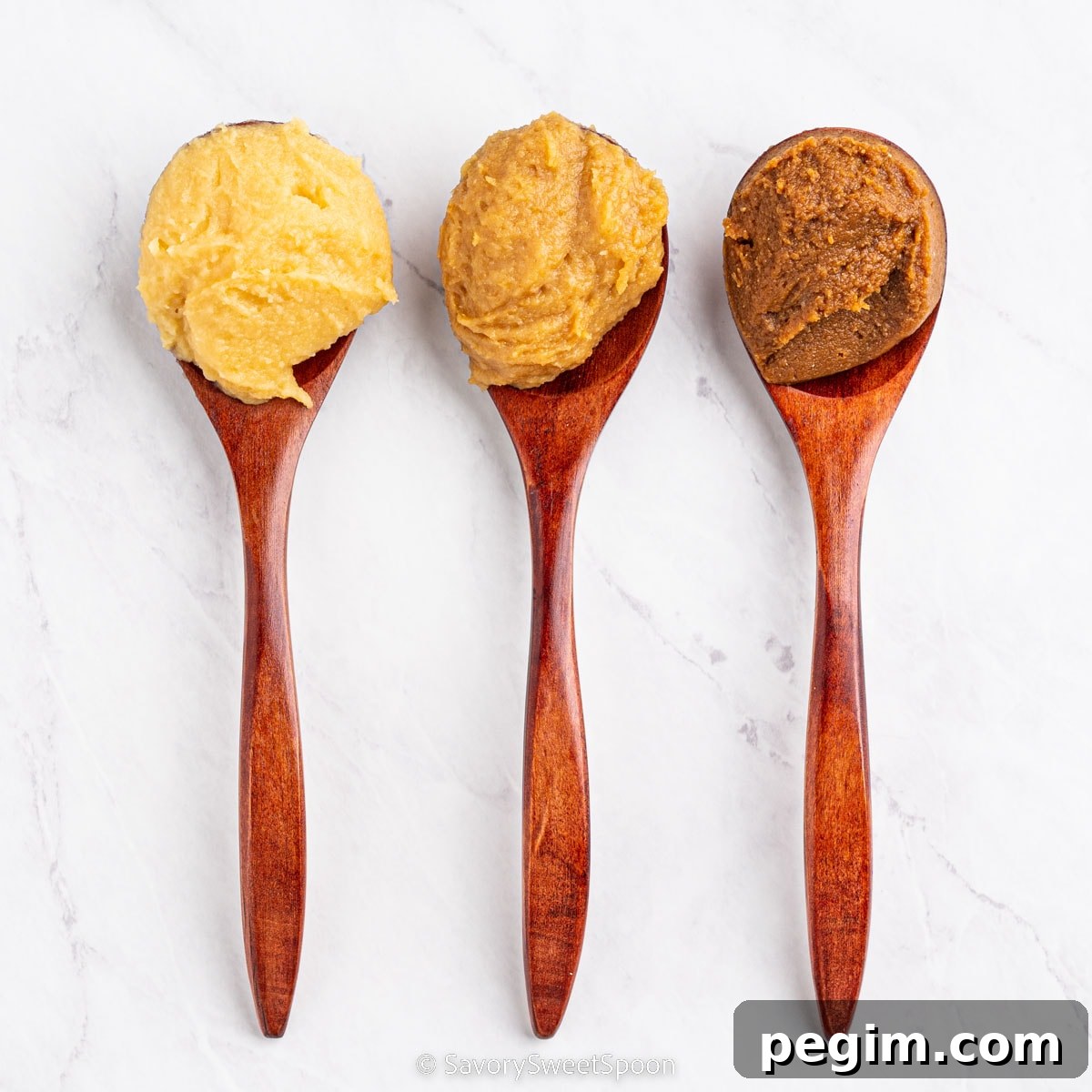
If you need a miso paste substitute, this guide will help. Whether you’re making a comforting soup, a savory marinade, or a flavorful dressing, the alternatives below will help you preserve that umami character in your dishes.
What is Miso?
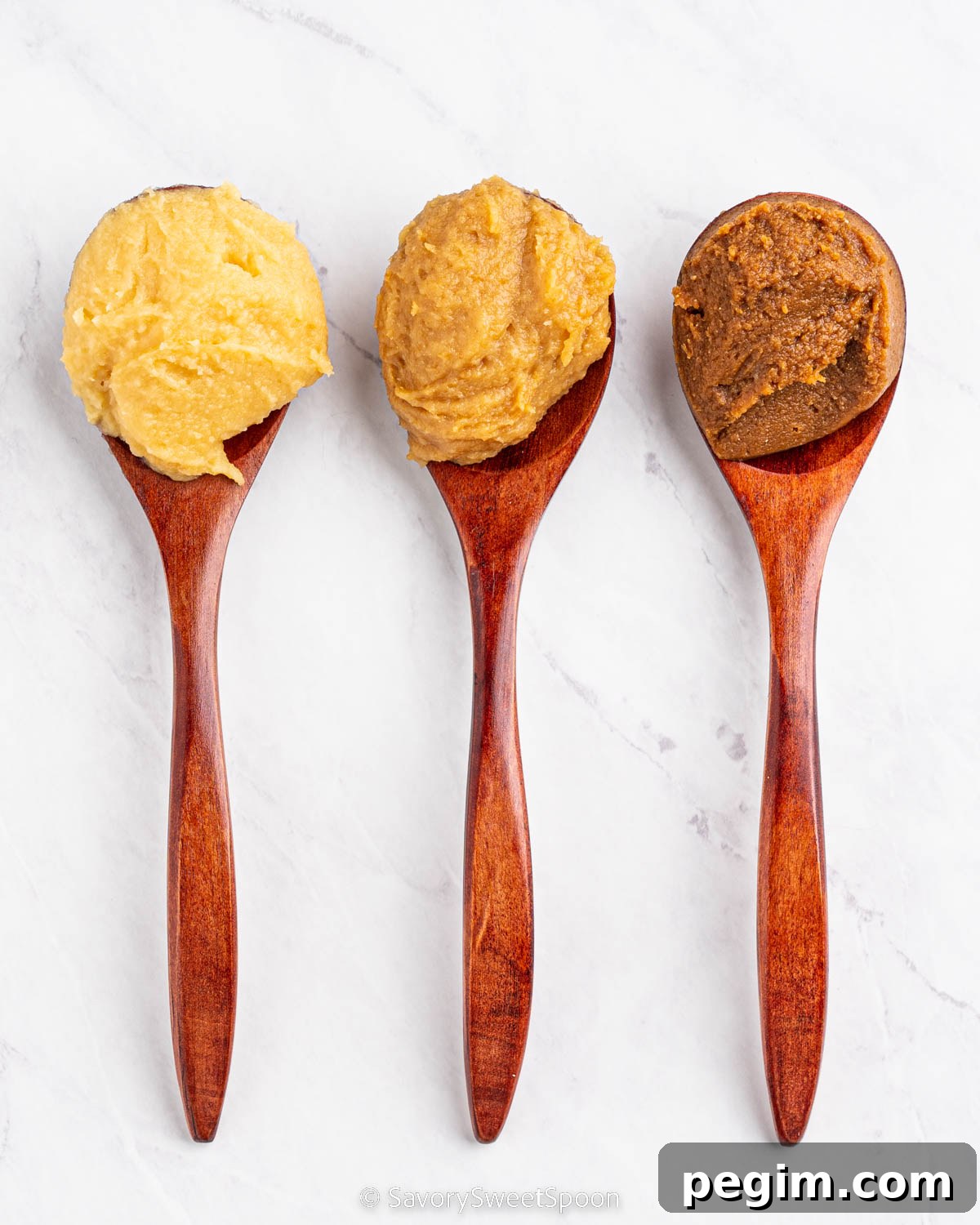
Miso is a traditional Japanese seasoning made by fermenting soybeans with salt and the mold Aspergillus oryzae (koji). It can also include ingredients like rice, barley, or other grains. Fermentation times vary from a few months to several years, producing a thick paste with a layered, umami-rich taste.
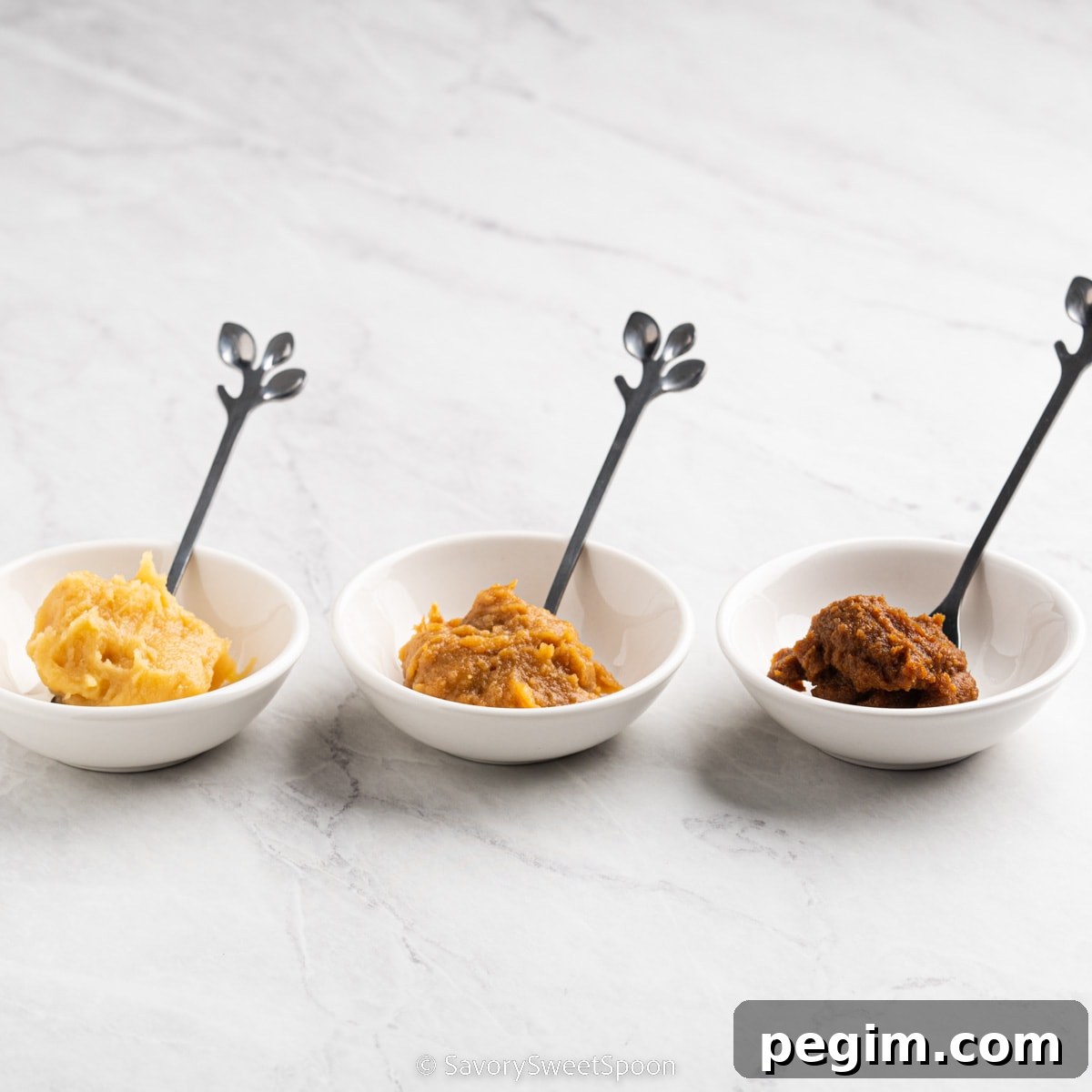
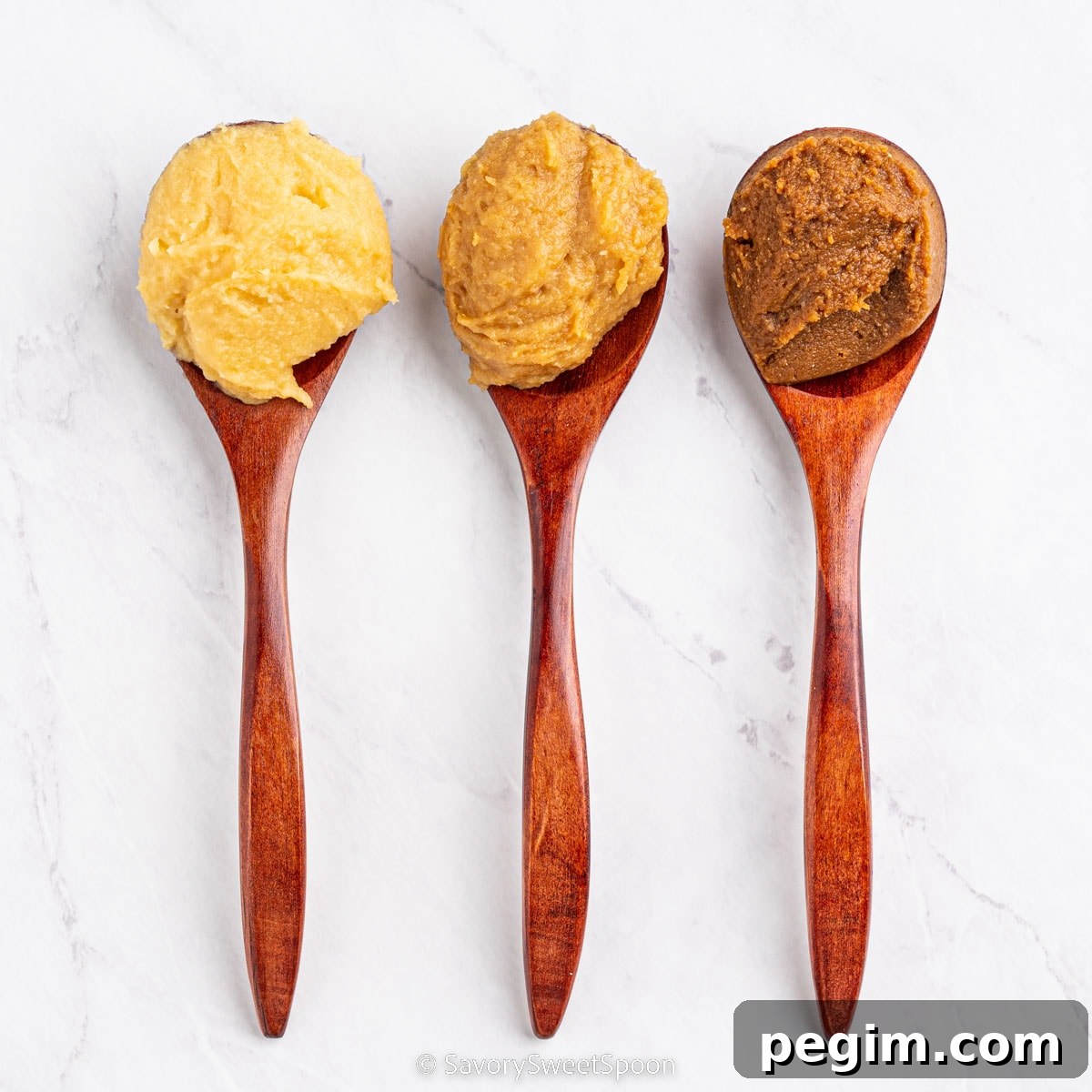
Miso ranges in color from white and yellow to red and brown, with each type delivering different flavor intensities. White miso tends to be mild and slightly sweet, while red and brown varieties are deeper and more savory. Miso is versatile—commonly used in soups, marinades, sauces, and dressings—to add savory depth to dishes such as grilled fish or roasted vegetables.
What Does Miso Taste Like?
Miso is defined by its rich umami taste. Different types offer a flavor spectrum: white miso is lighter and sweeter; red and brown miso are more pronounced and savory. Fermentation gives miso a salty backbone balanced by subtle tang and often nutty or toasty notes, especially when grains are included. The result is a complex, savory-sweet profile that enhances a wide variety of recipes.
Types of Miso Paste
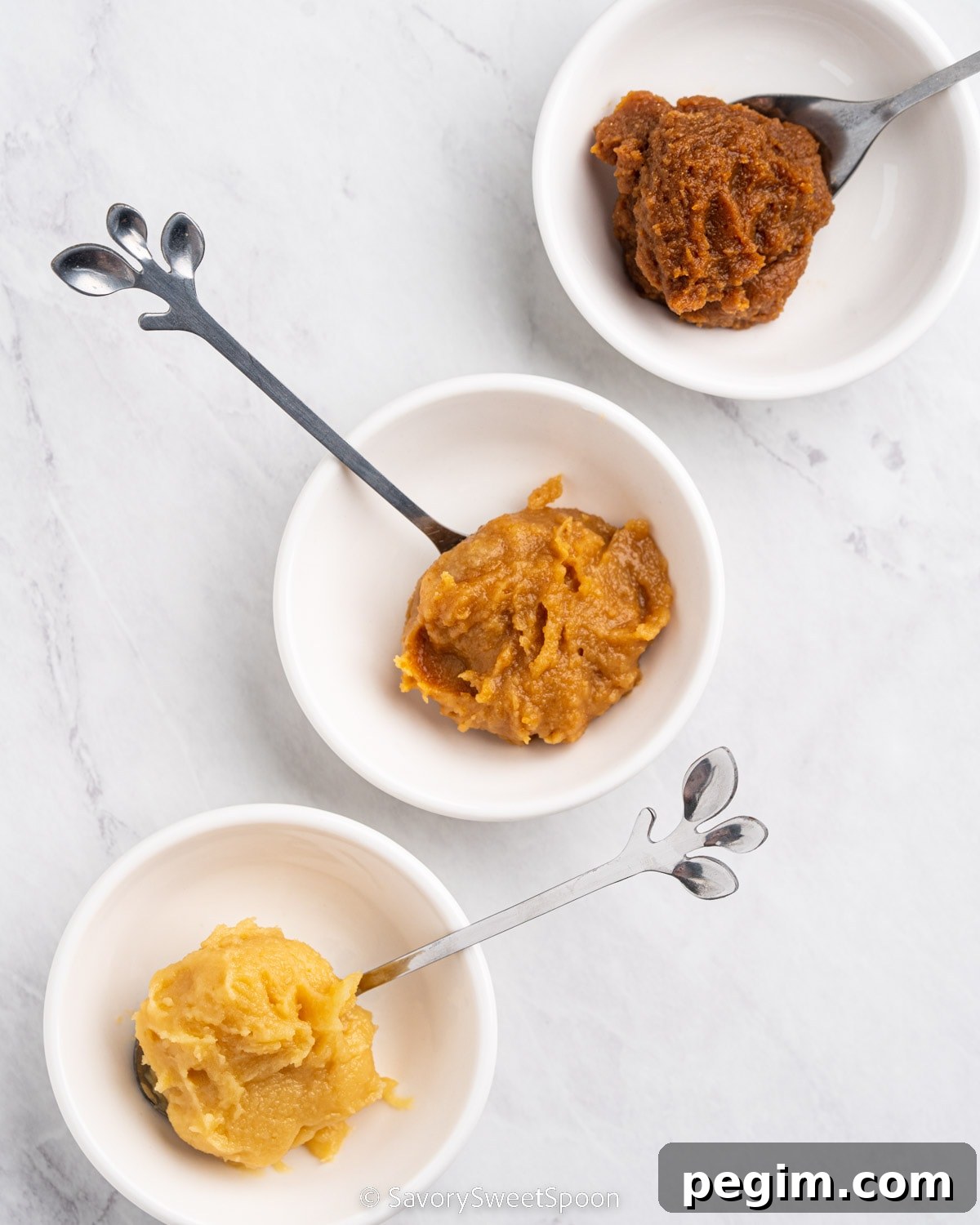
- White Miso (Shiro): Mild and slightly sweet, ideal for dressings, gentle soups, fish, and light marinades.
- Yellow Miso (Shinshu): Balanced and versatile, with more depth than white but less intensity than red—good for soups, glazes, and general seasoning.
- Red Miso (Aka): Bold and savory from longer fermentation, suited to hearty soups, stews, meats, and robust marinades.
- Mixed Miso (Awase): A blend of varieties (often white and red) that combines sweetness and depth for flexible use.
- Hatcho Miso: A dark, soybean-only miso fermented for a long time, producing a thick paste and concentrated umami.
Best Substitutes for Miso Paste
1. Soy Sauce
Soy sauce delivers salty, savory flavor but is a liquid and lacks miso’s paste-like body and fermentation complexity. It can work in a pinch to add umami, especially when combined with other ingredients to approximate miso’s depth.
2. Soy Sauce + Tahini
Mixing soy sauce with tahini (sesame paste) gives a savory, nutty combination that mimics white miso’s balance of salt and richness. Use it in dressings, marinades, stir-fries, and glazes. Adjust ratios to taste—more tahini for creaminess, more soy for saltiness.
3. Soy Sauce + Nut Butter
Soy sauce blended with a neutral nut butter (peanut or almond) creates a rich, nutty substitute useful in stir-fries, marinades, and dressings. This combo adds body and savory depth similar to miso’s influence.
4. Soy Sauce + Dijon Mustard
Combining soy sauce with Dijon mustard yields a savory, slightly tangy substitute that works well in marinades and sauces. The mustard contributes piquancy that helps emulate some of miso’s complexity.
5. Tamari or Liquid Aminos
Tamari and liquid aminos are soy-based umami-rich alternatives that provide a deep savory flavor. They lack miso’s paste texture but are excellent in dressings, stir-fries, and dipping sauces. Taste and adjust quantities to match the dish.
6. Doenjang
Doenjang, a Korean fermented soybean paste, is closer to miso in texture and fermentation character. It is often saltier and more assertive, so start with less and adjust. Doenjang suits soups, stews, marinades, and sauces where a pronounced fermented flavor is acceptable.
7. Ssamjang
Ssamjang is a Korean condiment built on fermented soybean paste, garlic, and chili. It’s bolder and spicier than most miso but can substitute well in dishes that welcome heat and robust flavor. Use sparingly or dilute when a milder profile is needed.
8. Bouillon Paste
Bouillon paste can supply a savory, broth-like base when miso isn’t available. It won’t reproduce miso’s fermentation notes, but dissolving bouillon in water and combining it with soy sauce, tahini, or a touch of sesame oil can produce a useful stand-in for soups, sauces, and marinades.
FAQ about Miso
Miso is versatile: stir it into soups and broths, whisk into dressings and glazes, or use it in marinades and dips. Add toward the end of cooking for delicate miso types, or simmer longer with heartier varieties.
Some miso contains gluten when made with barley or other grains. Gluten-free miso options are available—look for products labeled gluten-free, typically made from soybeans and rice or soybeans alone.
Yes. Swapable use depends on flavor intensity: white miso is milder, red miso is stronger. Mixing types or adjusting amounts lets you tailor the taste to your recipe.