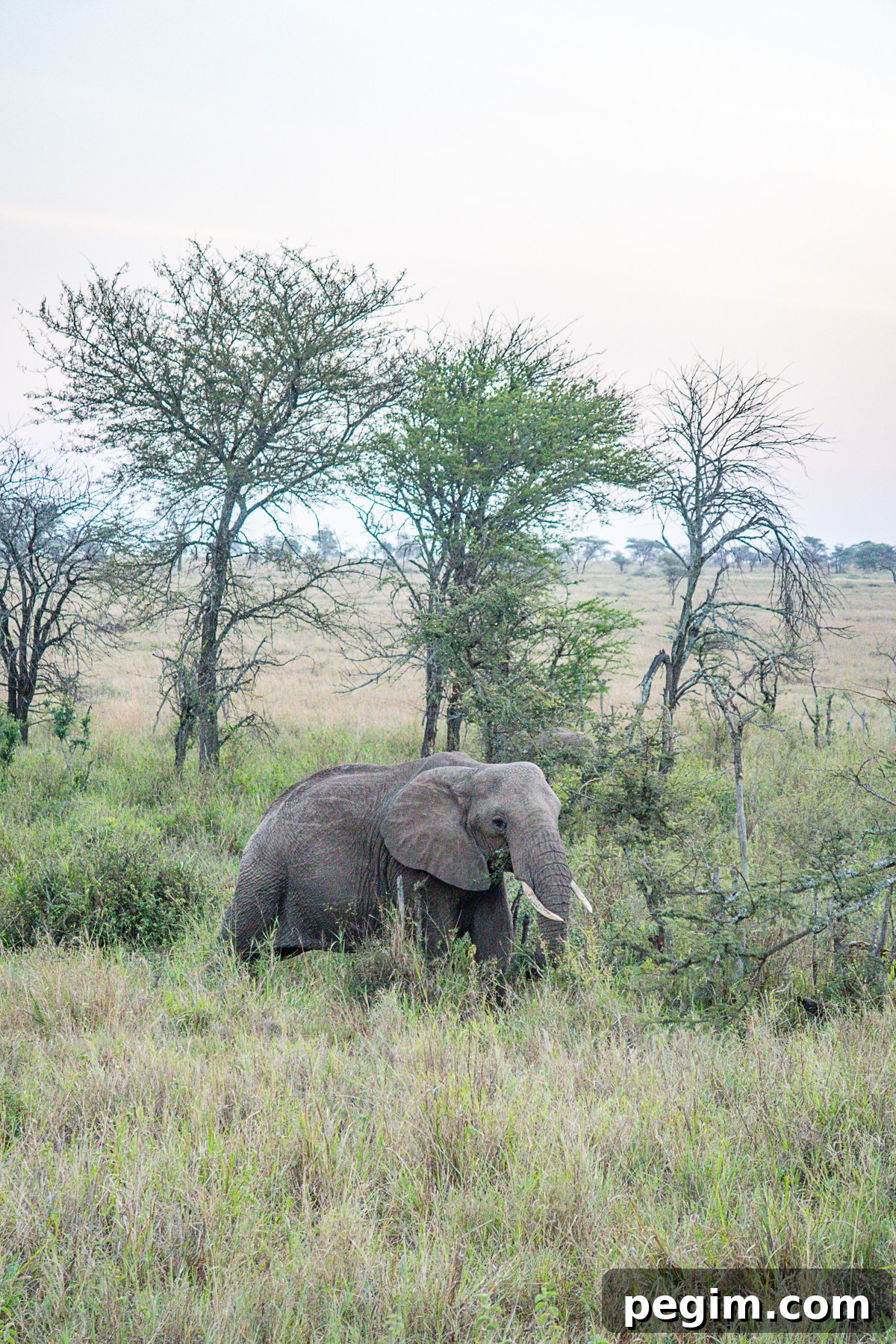
It’s time for a true adventure. Today we are going on a Serengeti safari!
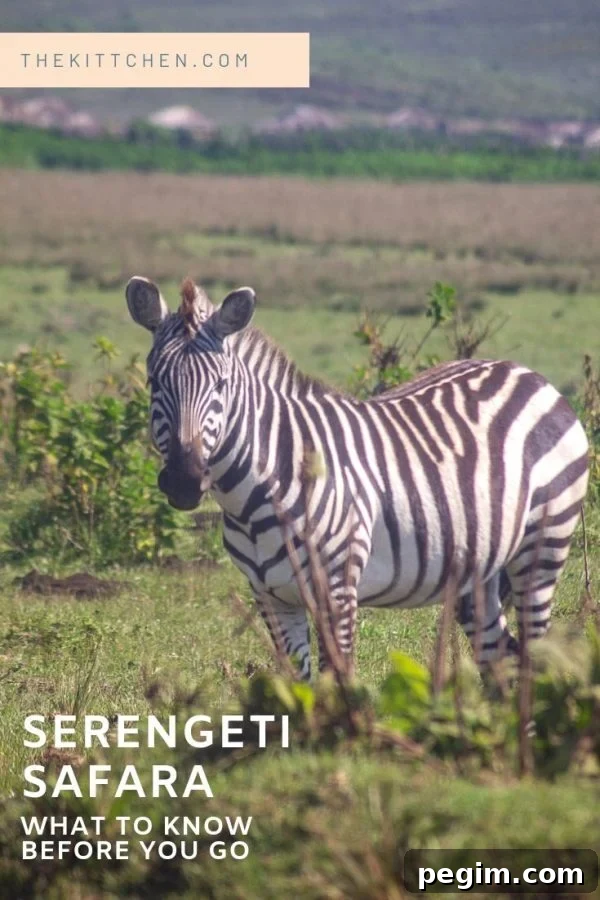
An African safari had been on my travel wishlist for years, so I added a three-day Serengeti safari to the end of my Mount Kilimanjaro trip. Although I booked with a company that I wouldn’t recommend, the experience of seeing the Big Five—leopards, rhinos, lions, buffalo, and elephants—in the wild was unforgettable.
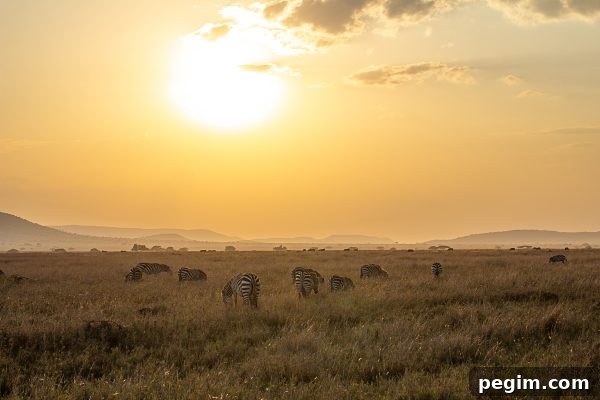
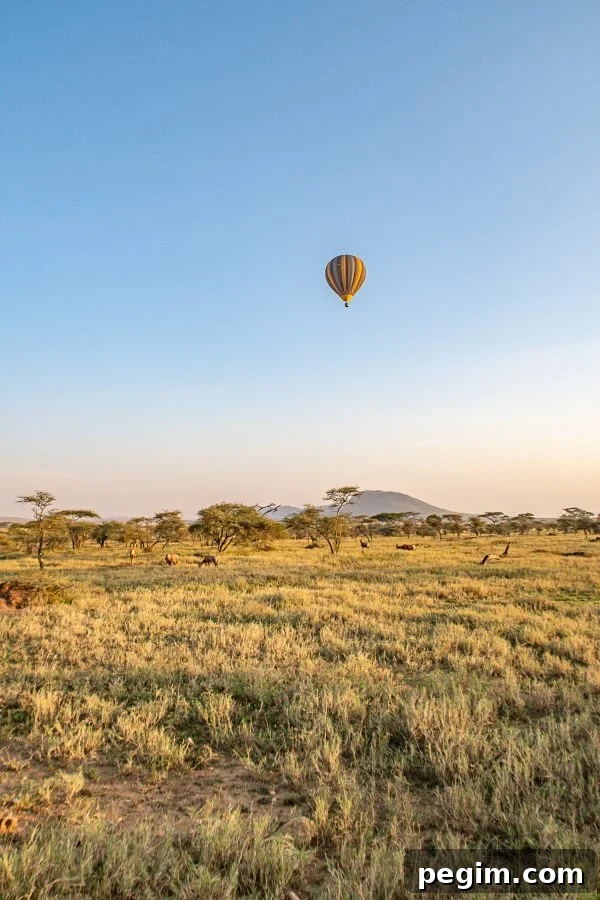
It felt like watching The Lion King come to life. Serengeti means “endless plain” in Swahili, and it refers to the vast landscape that includes the 5,700-square-mile Serengeti National Park. Much of the park is open savannah with few trees, which makes spotting wildlife much easier than you might expect.
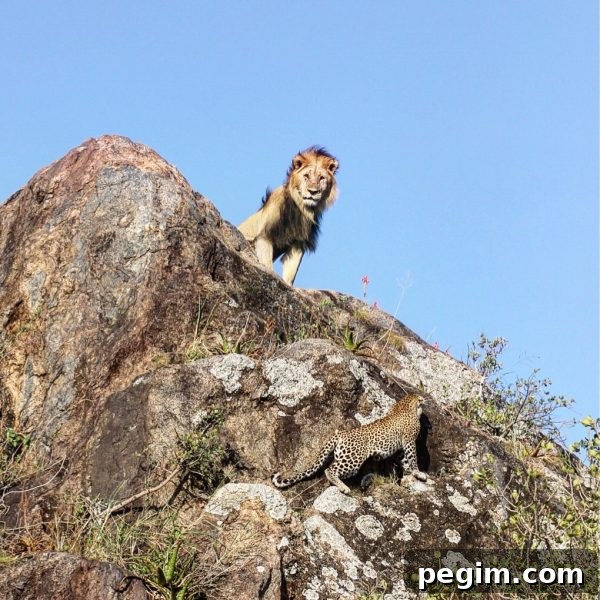
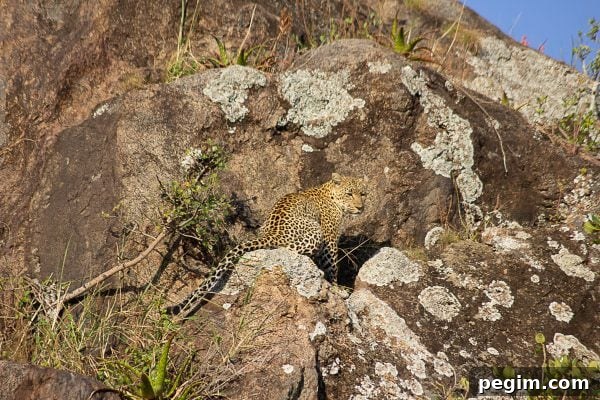
A highlight of my trip was watching a pair of lions face off with a leopard over a rocky outcrop. The scene looked exactly like Pride Rock and brought The Lion King to mind.
Here is what you can expect on a Serengeti Safari:
Table of Contents
It’s easier to find animals than you might think.
I expected long drives spent searching for wildlife, but animals are abundant across the Serengeti. On game drives it often felt like wildlife was lined up for us to see—herds grazing in the distance, predators resting on termite mounds, and birds filling the skies.
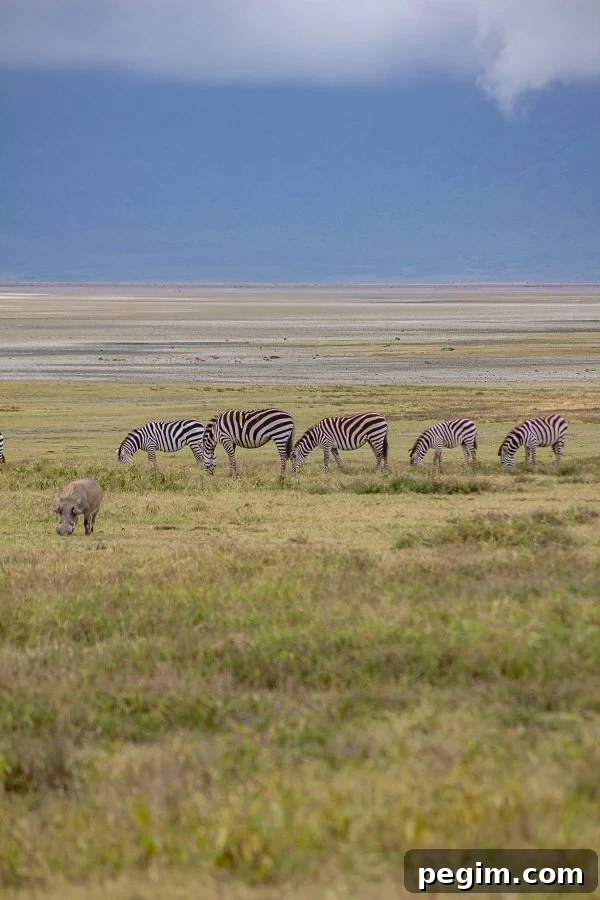
You will see many different species.
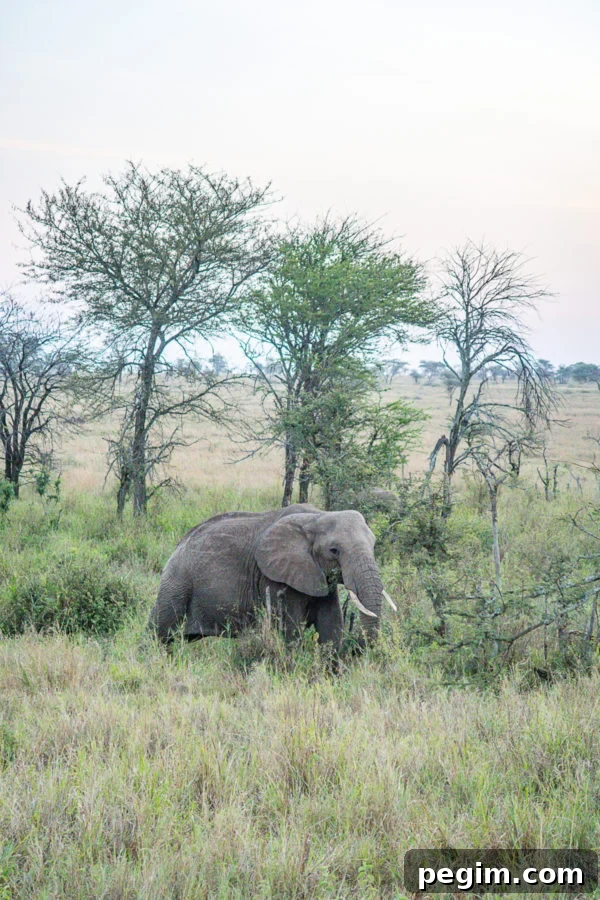
During my stay I saw the Big Five—leopard, rhino, lion, buffalo, and elephant—alongside baboons, wildebeest, giraffes, zebras, vultures, ostriches, hyenas, cheetahs, hippos, warthogs, flamingos, impalas, meerkats, and gazelles. The diversity of wildlife in one place is remarkable and makes each game drive unique.
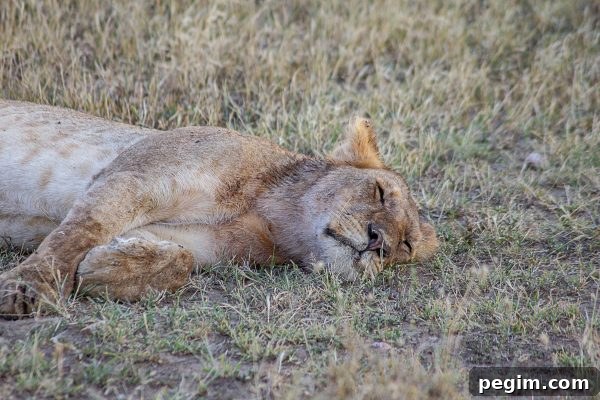
Expect early mornings.
Wildlife is most active at dawn, so game drives typically start around sunrise—often near 6:15 a.m. Early starts are worth it: cooler temperatures and more movement mean better sightings and excellent photographic light.
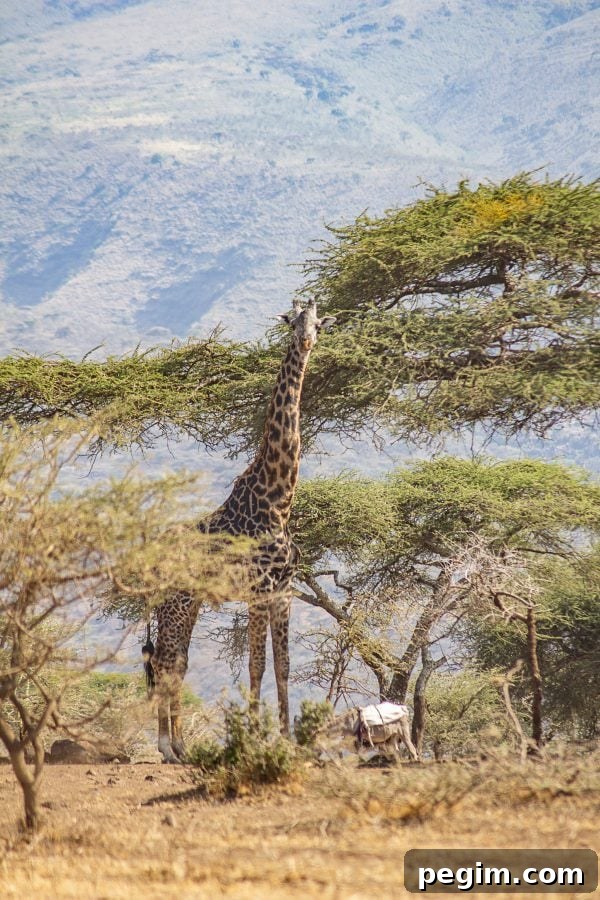
It’s very dusty.
Dirt tracks kick up a lot of dust. Bring a scarf or mask to cover your nose and mouth, and consider throat lozenges. After several dusty days (including parts of my Kilimanjaro trek) I developed sinus congestion and temporary hearing issues in one ear, so protecting your respiratory system is important.
Camping is an option.
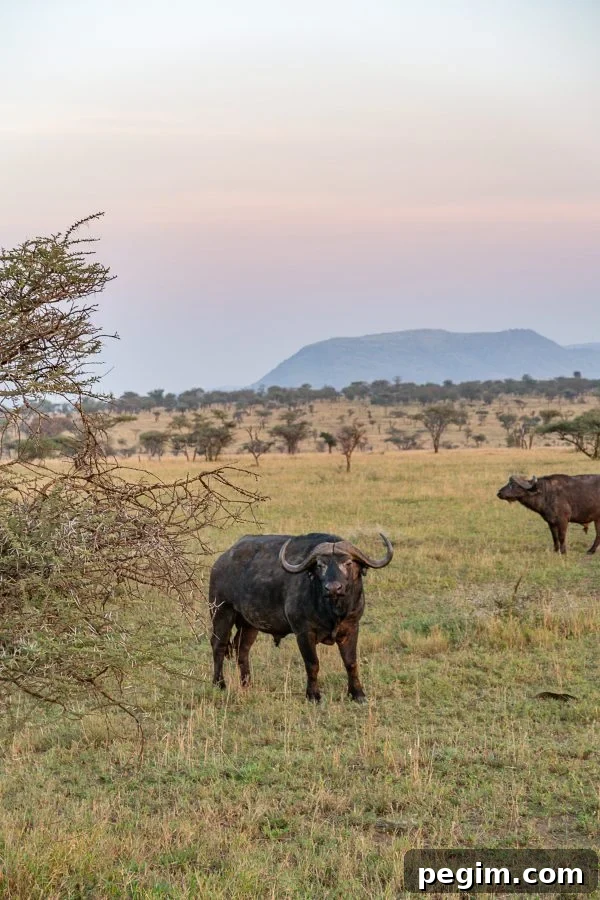
You can camp in the Serengeti, but be aware that many camps are unfenced and wildlife can roam through. Some camps have rangers on patrol; others do not. I didn’t camp, but fellow travelers who did described nervous nights listening to animals nearby and waking to find buffalo grazing around their tents.
I recommend a luxury tent camp or a lodge.
After dusty days in the field you’ll appreciate a hot shower and a comfortable bed. I stayed at Serengeti Heritage Camp, a luxury option with spacious canvas tents, proper beds, and running water. Expect wildlife nearby—zebras passed my tent one night and guests are usually escorted to and from tents after dark by a guide carrying a flashlight and sometimes a spear for safety.
Go to the Ngorongoro Crater too.
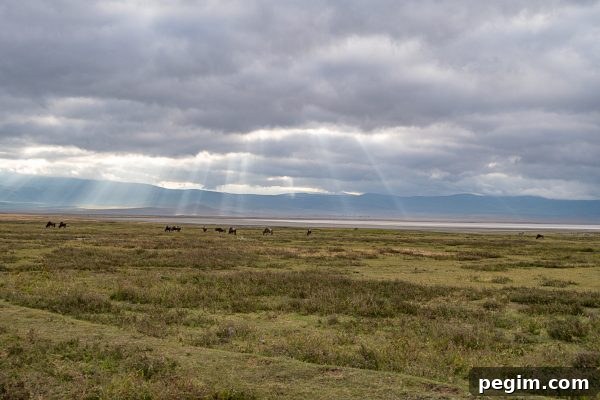
The Ngorongoro Crater is another must-see. Formed when a massive volcano collapsed, this vast caldera hosts rich grasslands, ponds, and a large lake that attracts thousands of flamingos. During our visit we saw rhinos, lions, hippos, zebras, wildebeest, flamingos, and hyenas amid the crater’s dramatic scenery.
Consider booking directly through a safari lodge.
I booked through a third-party operator, and my experience left me wishing I’d booked directly. Many travelers I know have had better results arranging safaris through lodges or local operators, which can cut out middlemen and sometimes save money. Do research, read recent reviews, and compare options before you book.
Have you been on a safari? I’d love to hear about your experience in the comments.