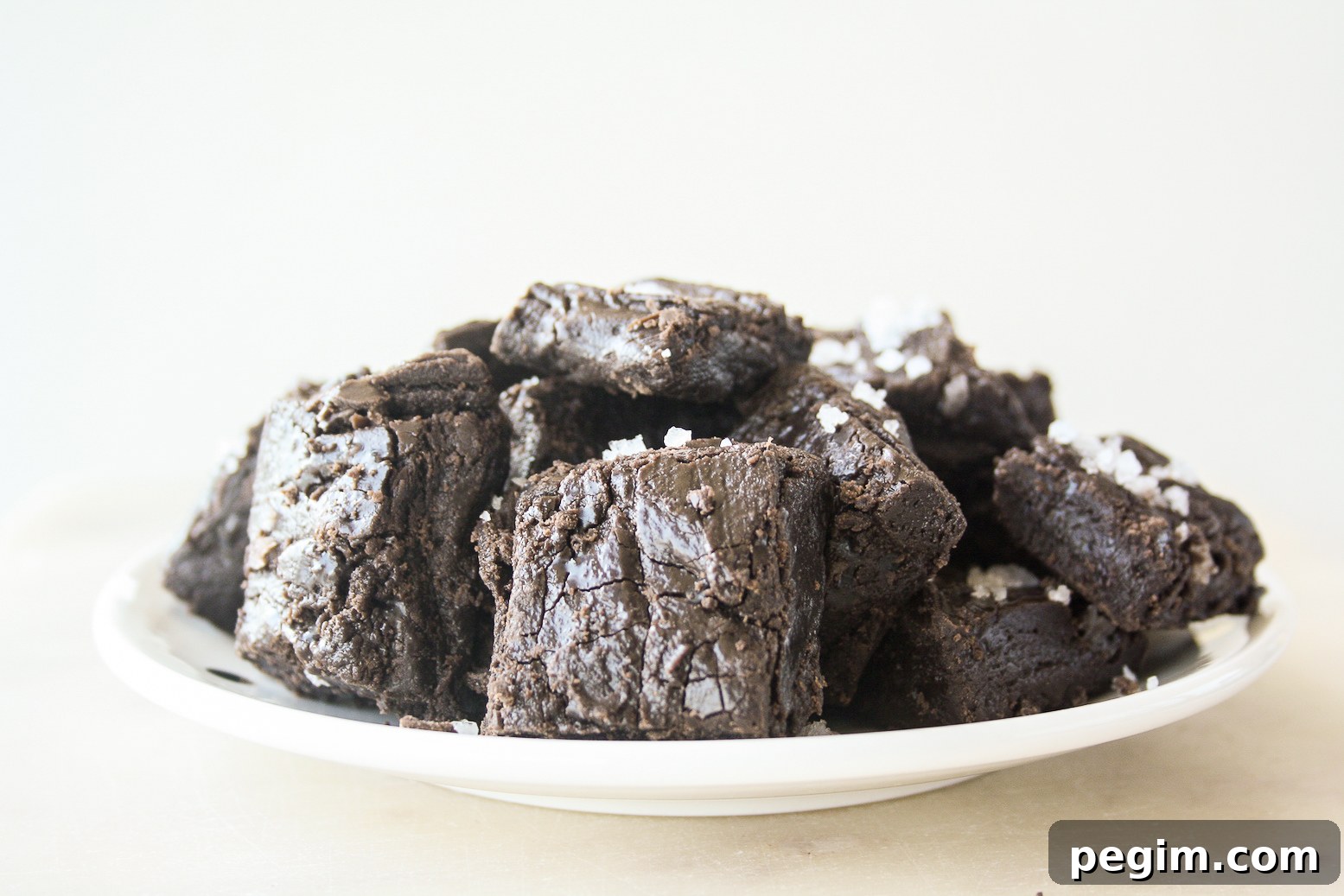
This is an ode to sleepovers, midnight feasts and the Enid Blyton-like adventures I recreated at around ten years old. Friends would come over, we’d try to stay up until a respectable hour, pile on treats, congratulate ourselves for our successful “midnight feast,” and finally fall asleep content and sugar-high.
The chocolate fudge my mother made was the highlight of most of those nights. I loved it, my friends loved it, and my dentist certainly did not.
At some point I decided to make it again to bring back those memories. It’s very sweet and not something I can eat in large quantities any more, but this version uses extra-dark cocoa, a touch of sea salt and has an addictive, balanced richness.
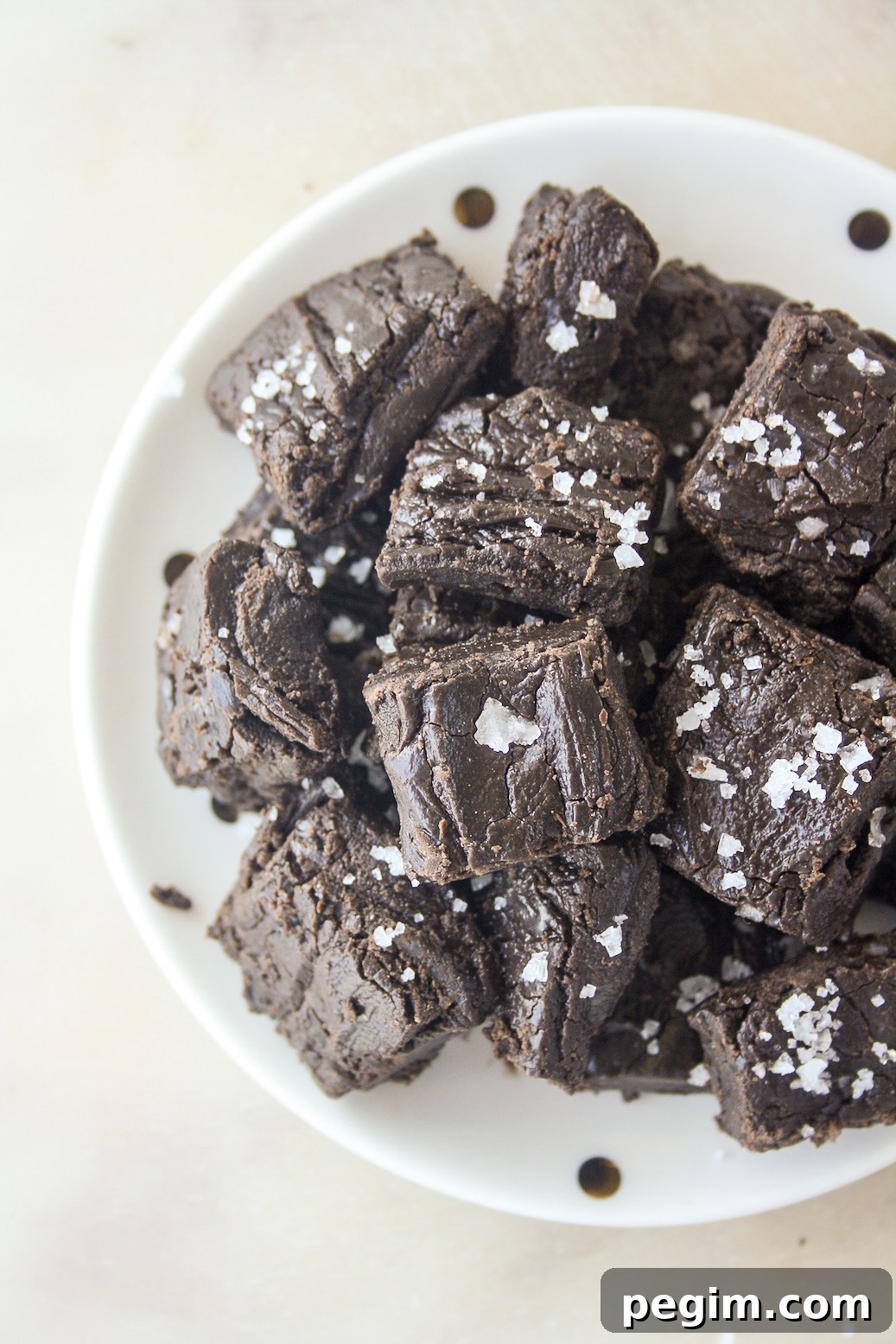
There are many quick methods to make fudge—condensed milk gives an almost instant result—but the fudge I remember had a firmer, chewier texture with a slightly crunchy top that gave way to a dense, soft center. It’s a little more work, but worth it.
This method requires attentive testing while the mixture cooks and quick work when it reaches the right stage. I adapted the technique from established recipes and from helpful commenters who shared what worked and what didn’t.
I didn’t use a candy thermometer. For this type of fudge, the traditional soft-ball test works well and can be more reliable than a thermometer that touches the pan. The test is simple: drizzle a drop of the hot mixture into iced water and, when you can form a soft, pliable ball with your fingers, it’s ready. After reaching the soft-ball stage, you add the butter and vanilla, let the butter melt, then beat the mixture until it loses its glossy sheen and begins to thicken. Work quickly—fudge can set fast. I transferred the mixture to a lined pan, smoothed the top as best I could, let it set for an hour, then chilled it briefly to achieve a firmer, chewier texture.
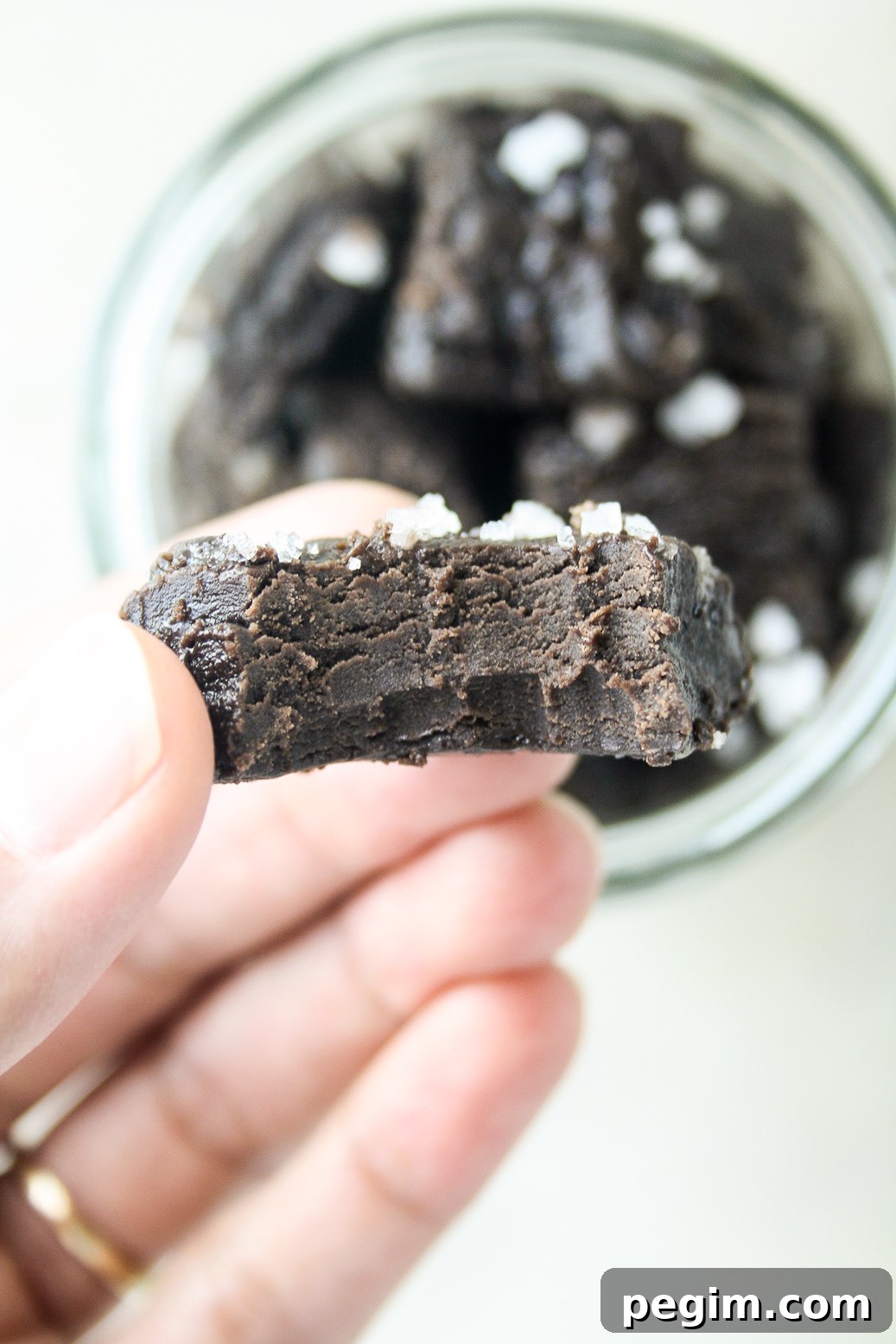
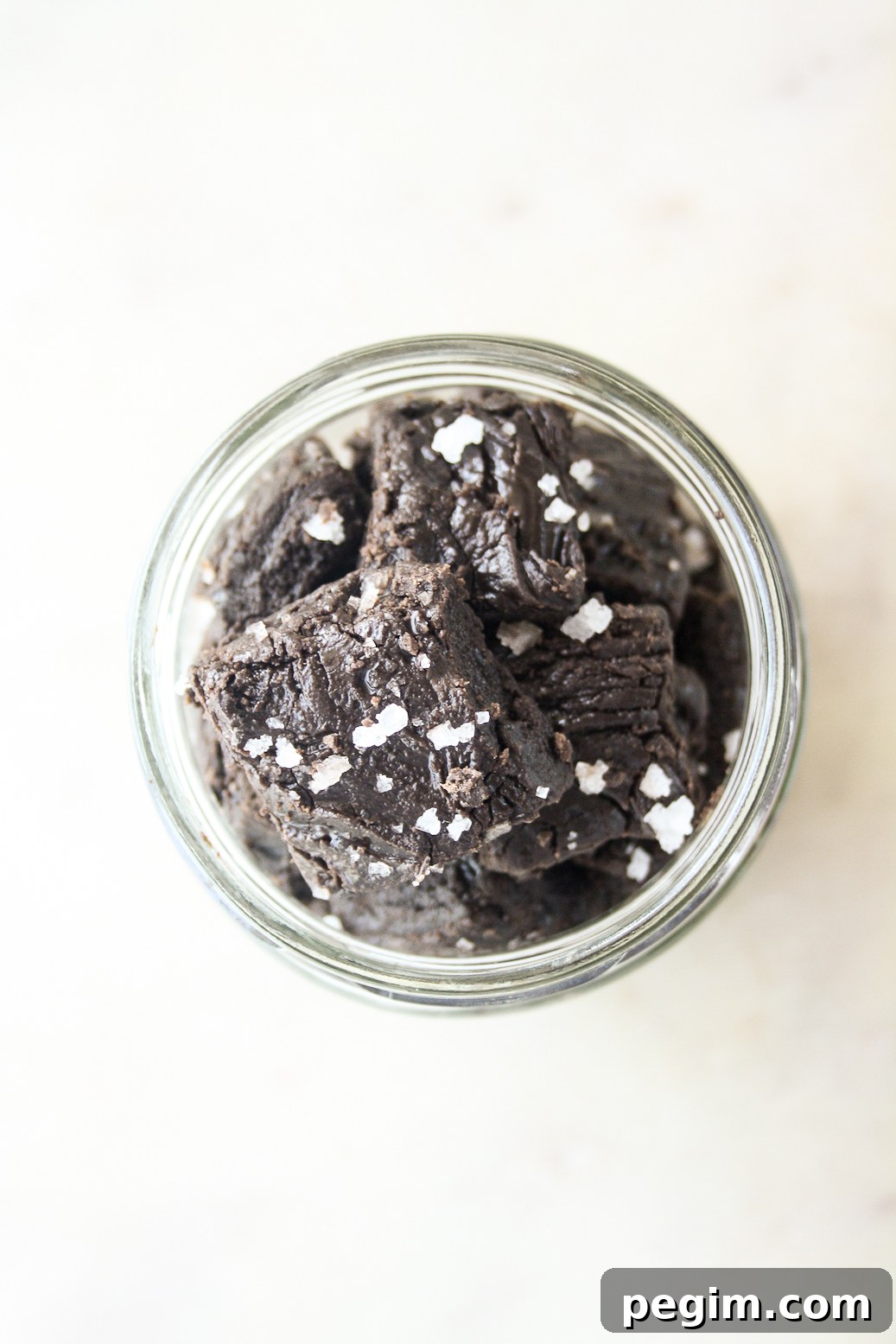
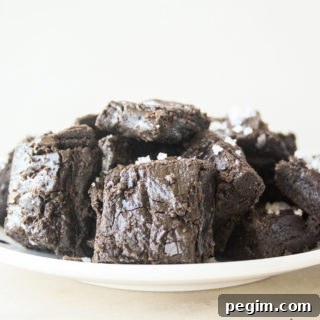
This is undeniably a sweet treat, so I make it rarely and enjoy it in small bites. The pieces didn’t come out perfectly neat, but the rustic look suits homemade fudge just fine.
I reduced the sugar slightly, but remember that sugar helps candy set, so don’t reduce it too much. To balance the sweetness I used extra-dark cocoa and sprinkled sea salt on top. The result is intensely chocolatey and very satisfying to make at home.
I hope you’ll try this—it’s a lovely addition to festive tables and makes a nostalgic, indulgent gift.
Salted Dark Chocolate Fudge
15 mins
30 mins
45 mins
20 to 25 pieces
Ingredients
- 1/4 cup cocoa (extra dark preferred)
- 1 and 1/2 cups white sugar
- 1/2 tsp salt
- 1 cup whole milk
- 30 gms unsalted butter, at room temperature (about 2 tbsp)
- 1 tsp vanilla extract
- Iced water as needed for the soft-ball test
- Sea salt, to sprinkle on top
Instructions
-
Prepare everything before you start—the process moves quickly once the mixture is ready. Line a shallow 8×4-inch baking pan with non-stick baking paper.
-
In a large, deep saucepan, whisk together the cocoa, sugar and salt. Add the milk and whisk until combined; small lumps are fine.
-
Place the pan over medium-low heat and bring to a boil, stirring occasionally to prevent sticking. After about 10 minutes you’ll see small bubbles and foaming; continue to cook until it approaches the soft-ball stage.
-
Have a shallow bowl of iced water ready. Drizzle a little of the mixture into the water; if it forms a soft, pliable ball when gathered between your fingers, it’s ready. If it spreads flat, keep boiling. The time to reach soft-ball can vary with humidity and temperature.
-
When the soft-ball stage is reached, remove the pan from heat and let it sit on a cool surface. Add the butter and vanilla and let the butter melt.
-
Once the butter has nearly melted, beat the mixture vigorously with a wooden spoon for 6–7 minutes. The mixture will thicken and lose its glossy sheen—when it looks matte and has thickened, stop beating. Quickly transfer to the prepared pan, smooth the top as best you can, and sprinkle with sea salt.
-
Let the fudge cool completely at room temperature. In warm conditions, chill in the fridge for a couple of hours before cutting. Store in an airtight container in the fridge and enjoy in small pieces.
Notes
If you have a candy thermometer, the soft-ball stage corresponds to about 235°F (113°C), provided the thermometer probe does not touch the pan base. The traditional iced-water soft-ball test also works well.
Shop this recipe!
This post contains affiliate links.