Using proper techniques for cooking pasta improves both efficiency and the quality of the final dish. Depending on the available kitchen equipment, different methods suit different operations. Choosing the right approach for your kitchen reduces staff workload and produces a more consistent, appealing pasta for service.
Cooking Pasta in the Steamer
Steaming is one of the most efficient ways to cook pasta while preserving its shape and texture. Place pasta in a hotel pan, add about 1 inch of water, and steam. Cook times typically range from 8 to 12 minutes depending on the pasta shape (short shapes like elbows require less time; long shapes like spaghetti require more). Drain and the pasta is ready for saucing or holding.
Cooking Pasta in the Tilt Skillet
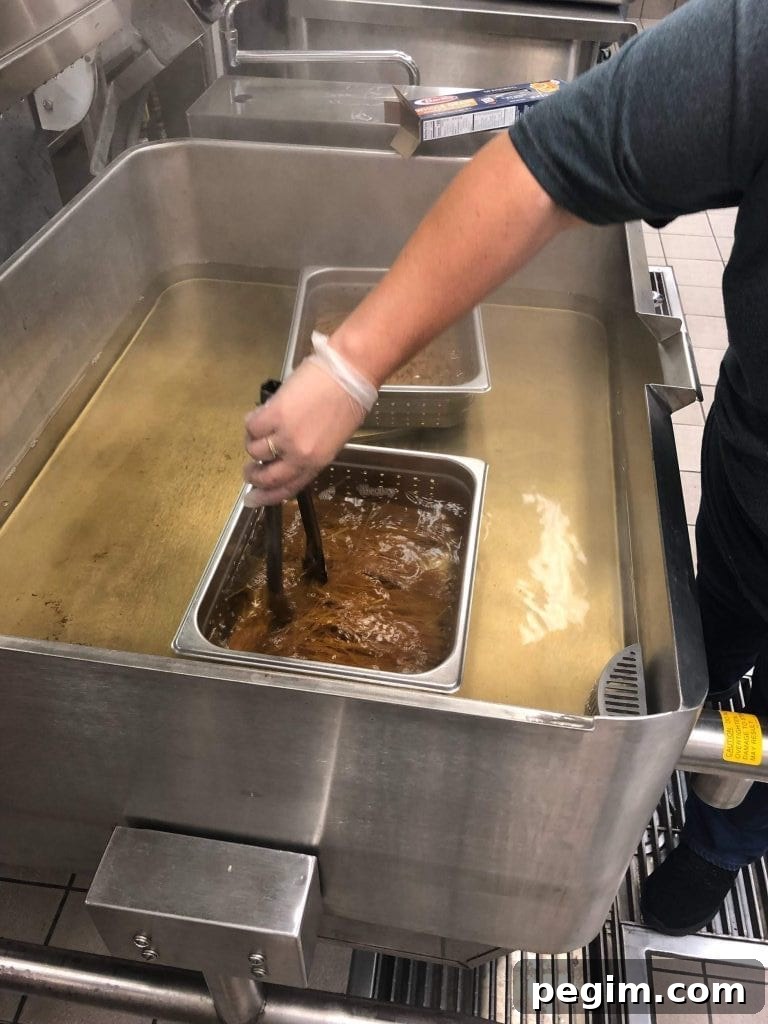
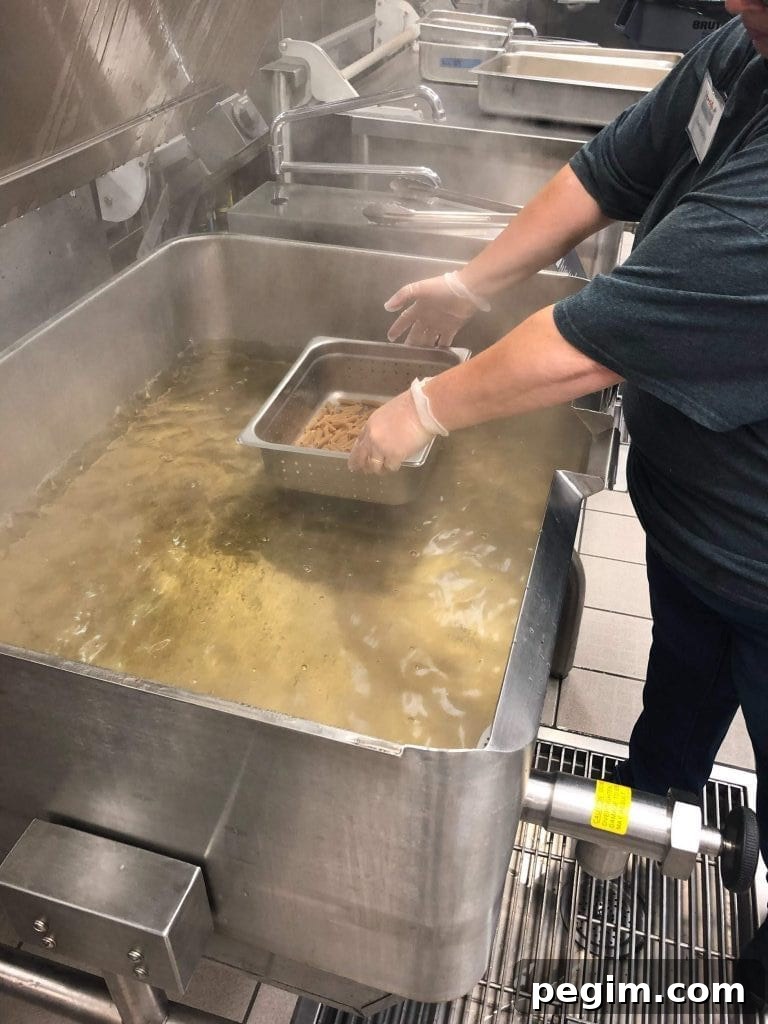
A tilt skillet is another common method for batch-cooking pasta. Fill the skillet with enough water and bring it to a rolling boil. Place uncooked pasta into perforated pans, then lower those pans into the boiling water. When the pasta reaches the desired doneness, lift the perforated pans to drain and remove the pasta. This technique works well for large-volume operations and keeps handling minimal.
Cooking Pasta in a Kettle
Large kettles are frequently used for pasta in institutional kitchens. Fill the kettle with water and bring it to a boil, then add the pasta. Boiling time can be around 5 minutes, but remember to account for carryover cooking: it can take 3–4 minutes to drain the kettle and transfer pasta to hotel pans, and the pasta will continue to cook during that time. Have your hotel pans ready to receive the cooked pasta promptly.
Pasta Cooking Tips
- Always account for carryover cooking: pasta continues to cook until it cools.
- Steam tables generate heat that continues to cook pasta rather than simply holding it. Keep pasta covered in a warmer and hold it for the shortest time necessary.
- When holding pasta on a steam table, use a perforated pan nested inside a solid hotel pan. The air pocket helps delay overcooking.
- Batch-cook pasta in a steamer when possible to streamline service and maintain consistency.
- Sauce pasta immediately after cooking while it is still hot—this allows the pasta to absorb more flavor.
- Do not rinse pasta if it will be kept warm for service; rinsing removes surface starch that helps sauces adhere.
- A light coating of oil, butter, or a small amount of sauce will prevent sticking when pasta is held warm.
- When cooling pasta for later use, run cold water over it to stop cooking and prevent sticking. No oil or sauce is needed when cooling.
- If cooled pasta sticks together, running it briefly under cold water will separate the pieces.
- Cool leftover cooked pasta properly, label and date it, then freeze for later use in soups or other recipes.
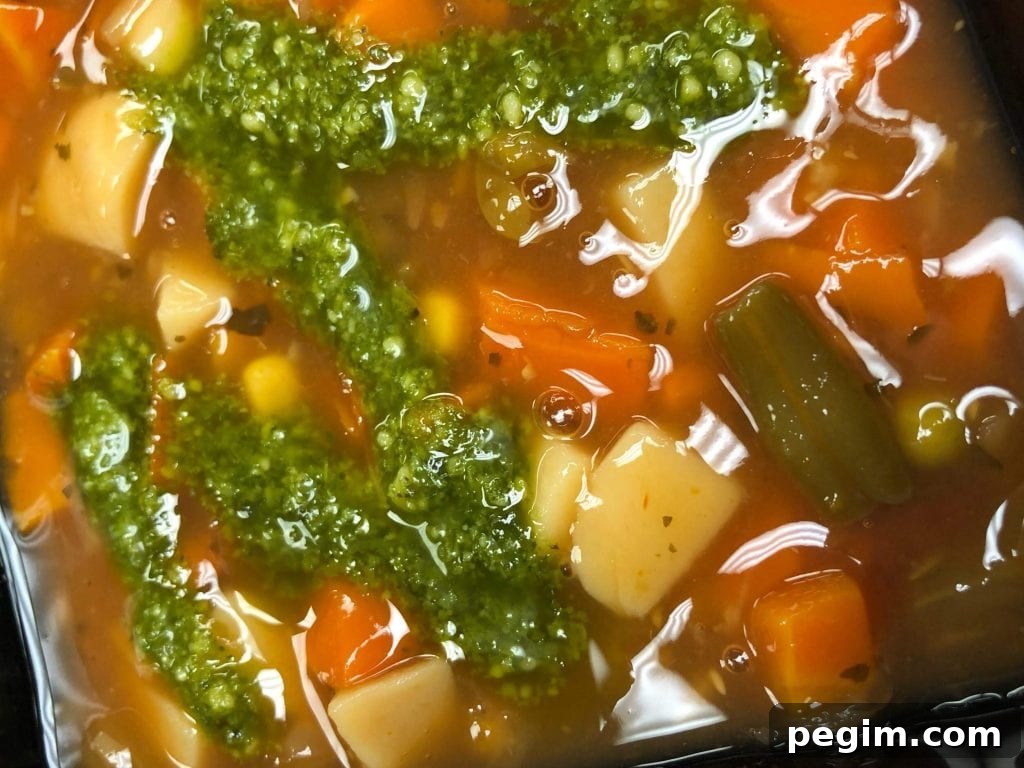
Try this flavorful pasta recipe!
Pesto Minestrone with Kidney Beans