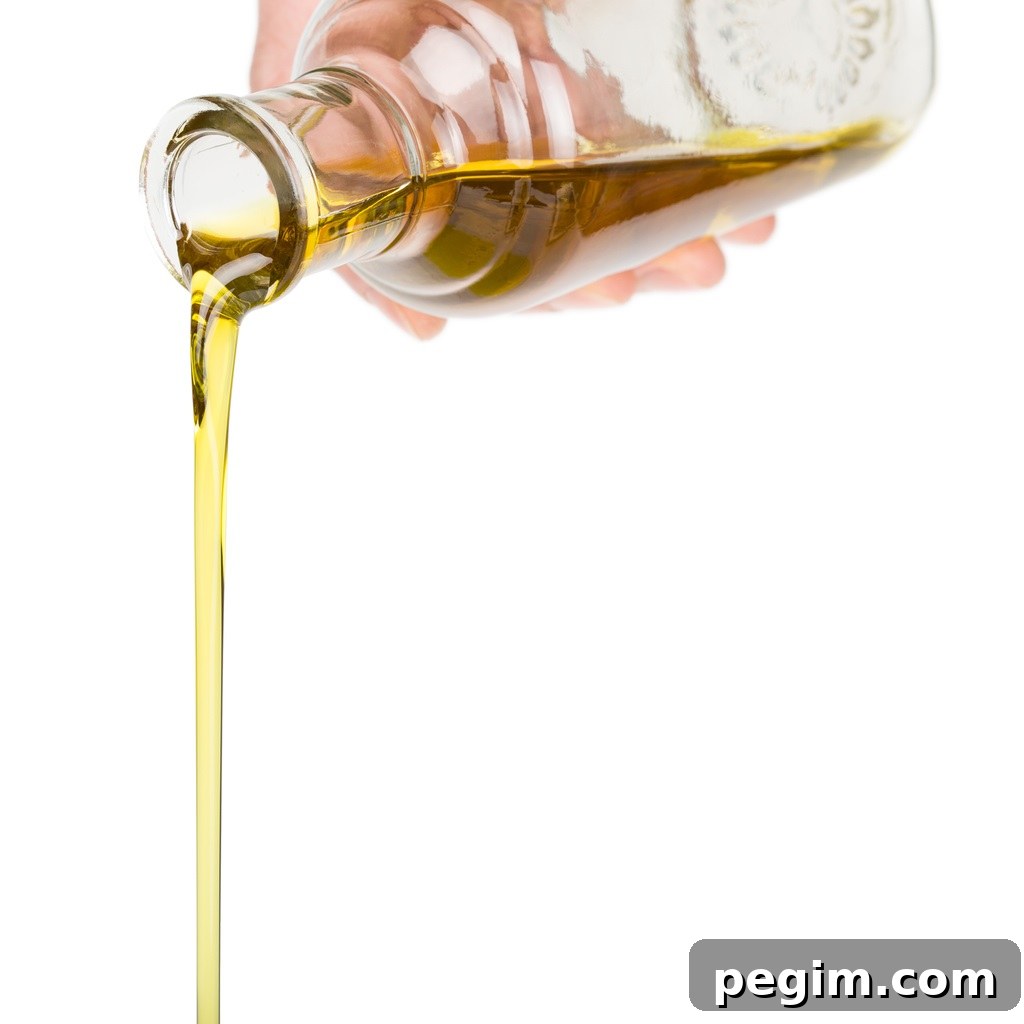
Olive oil is widely regarded as one of the healthiest cooking oils, and in many households it’s a kitchen staple. With so many options on the market—extra-virgin, cold-pressed, light, bottled in plastic or glass, clear or dark—it’s easy to feel confused about which to choose. This article explains how olive oil is made, why extra-virgin olive oil (EVOO) stands out nutritionally, how to recognize authentic EVOO, whether it’s suitable for cooking, and practical tips for storing and using it to get the most health benefits.
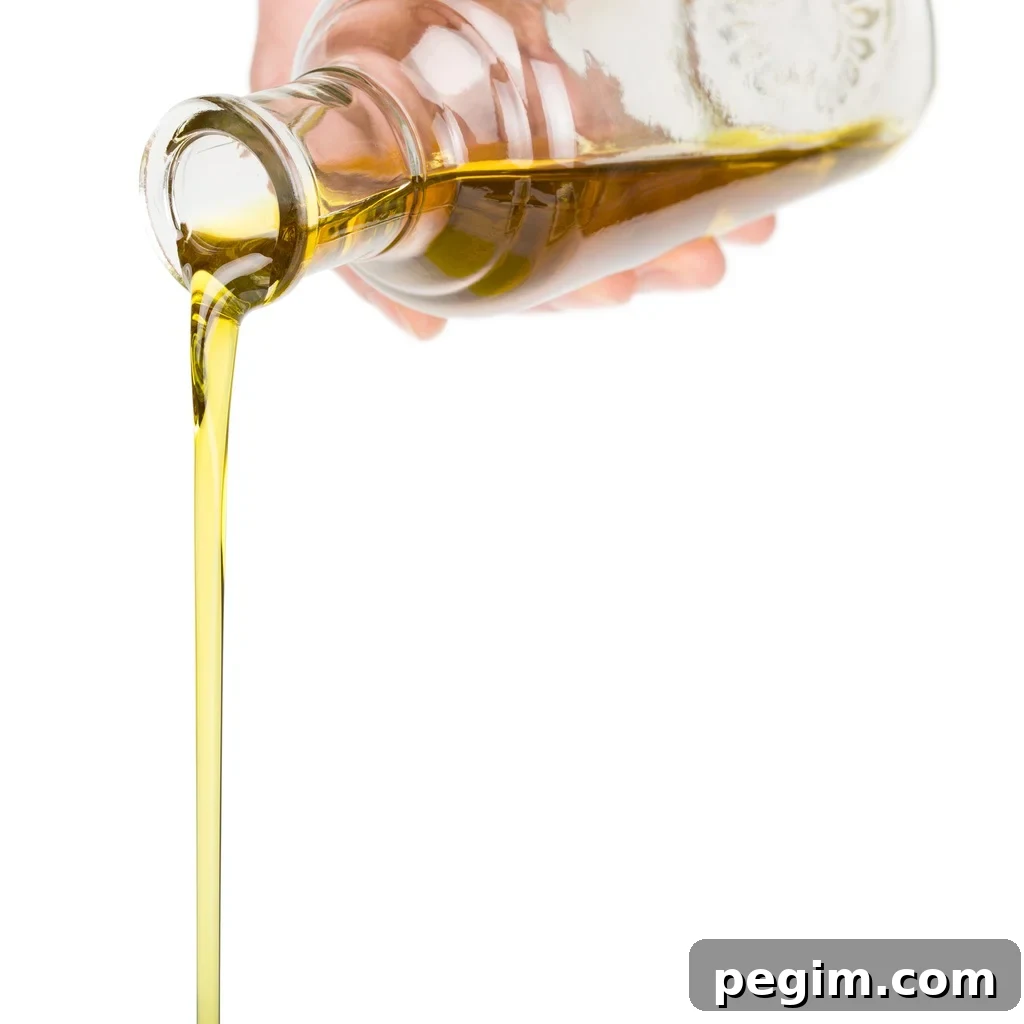
Olive Oil In the Making
Olive oil is produced by pressing olives to extract their oil. The main differences among olive oils come from how the oil is processed after pressing. Extra-virgin olive oil (EVOO) is the least processed and highest-quality option: it is unrefined and produced by pressing olives without chemical treatment. That minimal processing preserves more of the oil’s natural nutrients and flavors.
By contrast, oils labeled “light” or “regular” olive oil are typically refined and sometimes blended with other vegetable oils. These refined oils lose much of the flavor and many of the beneficial compounds, so they are best avoided when you want the health advantages associated with true olive oil.
Many bottles advertise “cold-pressed” or “first cold pressed.” Cold pressing describes the extraction method and is a requirement for EVOO; the term alone doesn’t guarantee quality. Extra-virgin olive oil must also meet standards for taste, aroma, and purity—so when you see “extra-virgin,” you’re looking at the category that offers the most nutrition and flavor.
You Say Extra-Virgin Olive Oil is Good For Me!?
Yes. Extra-virgin olive oil is a central component of the Mediterranean diet, a dietary pattern consistently associated with lower risk of chronic disease. EVOO is rich in monounsaturated fats—considered heart-healthy—and contains abundant antioxidants and anti-inflammatory compounds. These properties can help reduce inflammation, which plays a role in many chronic health conditions.
In addition to healthy fats and antioxidants, EVOO contains vitamins and phytonutrients such as vitamin E and vitamin K, along with small amounts of minerals like potassium, iron, and calcium. Taken together, these nutrients help explain why extra-virgin olive oil is often called a nutritional powerhouse.
But Which Extra-Virgin Olive Oil is Best?
Not all oils labeled “extra-virgin” are equal. To make sure you get authentic, high-quality EVOO, start by choosing bottles that clearly state “extra-virgin” and avoid generic terms like “pure” that can be misleading. Some trusted seals or certifications can help verify authenticity, and researching the brand’s processing standards is useful when certification is absent.
Here are practical ways to check if an olive oil is truly extra-virgin:
- Look for reputable certifications or seals that verify quality and purity where applicable.
- Chill test: genuine EVOO often thickens or partially solidifies when refrigerated due to its high monounsaturated fat content. A few hours in the fridge can be a quick check.
- Taste and appearance: authentic EVOO typically has a fuller color and a distinct, slightly peppery or bitter finish on the palate. Flavor is one of the quality indicators.
To Cook, or Not to Cook with EVOO
There’s conflicting advice about cooking with EVOO, often centered on smoke point. The smoke point is the temperature at which an oil starts to break down and produce smoke, and some claims suggest EVOO’s lower smoke point limits its use for high-heat cooking. However, extra-virgin olive oil has strong oxidative stability thanks to its monounsaturated fats and antioxidants, which helps it withstand heat better than many expect.
Practical guidance: EVOO has an approximate smoke point range and is perfectly suitable for most home cooking methods, including sautéing and light frying. For very high-temperature cooking, such as some searing or deep-frying methods, you may choose oils with higher smoke points, but for everyday cooking and most stovetop uses, EVOO is a healthy and flavorful choice.
But Wait, There’s More
- Packaging matters: choose dark glass bottles to protect oil from light and oxidation. Avoid clear glass and plastic containers when possible.
- Store properly: keep olive oil in a cool, dark place away from heat sources to preserve freshness and nutrients.
- Check the harvest or production date: fresher oil preserves more antioxidants and flavor. Once opened, aim to use a bottle within 2–3 months to enjoy full benefits.
- Beware of marketing terms: phrases like “pure olive oil” often indicate blends of refined and unrefined oils. Prioritize “extra-virgin” labeling and reliable sourcing.
- Origin: while region can influence flavor, what matters most for health benefits is that the oil is genuine extra-virgin and properly handled from harvest to bottle.
In summary, 100% extra-virgin olive oil delivers significant nutritional benefits when you choose authentic products and store them correctly. Use it liberally in dressings, drizzles, and most cooking applications to enjoy its flavor and healthful properties.
Recipes That Use EVOO
If you want to add more extra-virgin olive oil to your meals, try using it in salads, vinaigrettes, pestos, grain salads, and baked goods as a substitute for other fats. EVOO works well in cold and warm preparations alike: drizzle it over roasted vegetables, finish soups and grains with a splash, or whisk it into dressings and marinades for bright flavor and added nutrients.
Hope you found this helpful—if you have questions or want tips for using EVOO in specific recipes, feel free to ask!
Eat Clean. Be Well
Sara
(photo credit iStock Photos)