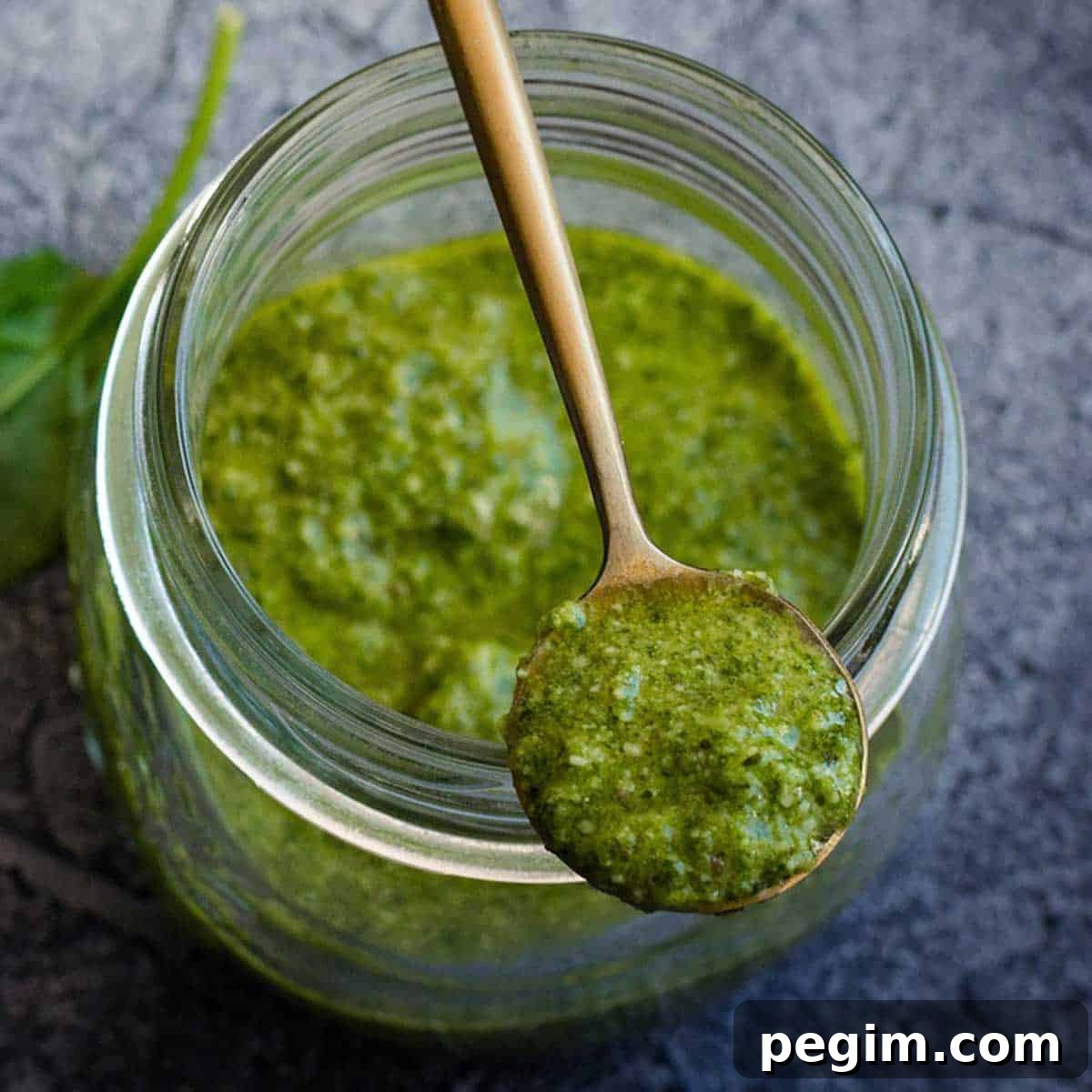
Looking for a delicious nut-free pesto recipe? You’ve come to the right place. This authentic Italian basil pesto is made without nuts, making it ideal for anyone with nut allergies or when pine nuts aren’t available. It’s bright, flavorful, and simple to prepare with just a few pantry staples and a food processor or blender.
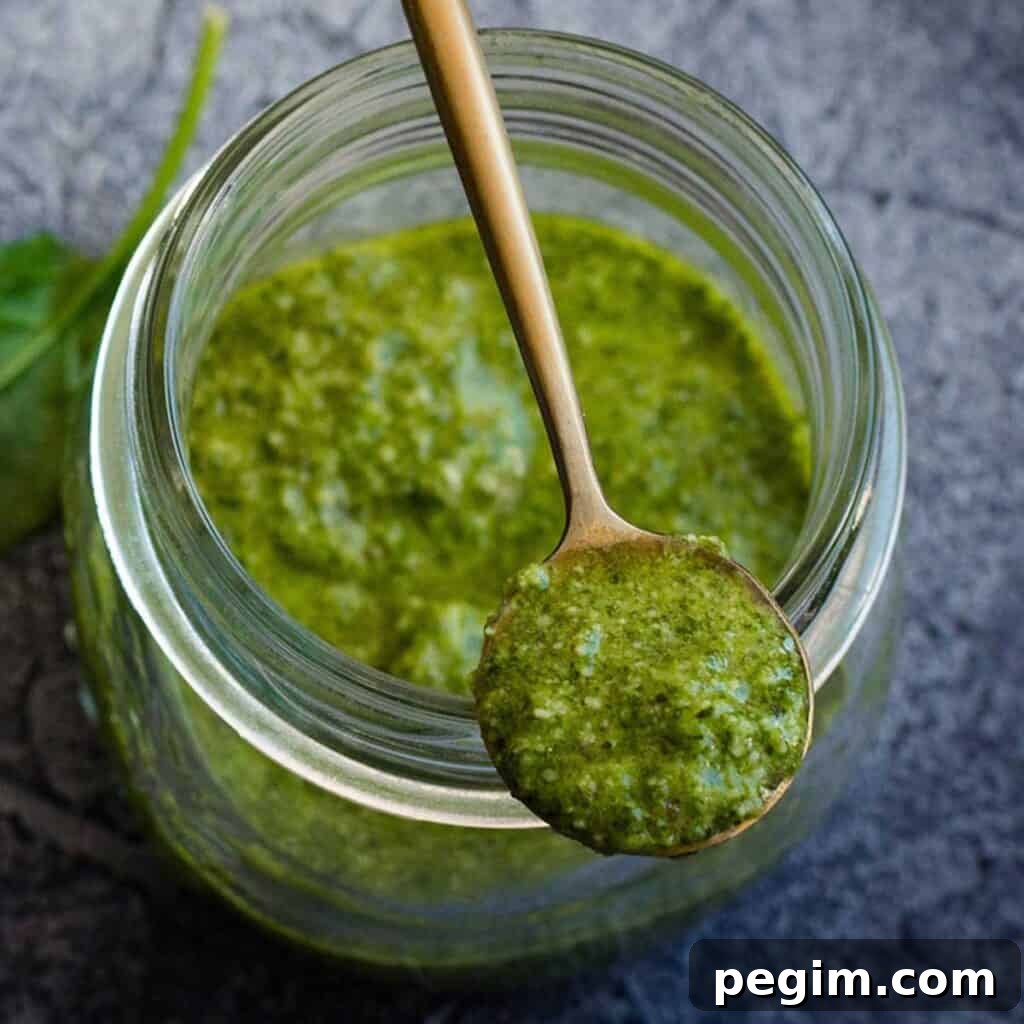
A well-made pesto is one of those versatile sauces that elevates many meals. I use this nut-free basil pesto tossed with freshly cooked pasta, spread on toasted bread, mixed into grain bowls, or spooned over grilled vegetables and fish. The freshness of basil combined with good-quality olive oil and savory cheeses creates a bright, herb-forward sauce that feels indulgent yet simple. Because this version omits pine nuts, it’s also quicker and lower cost while still offering a creamy, satisfying texture.
Why I love this recipe
This recipe is beloved for its speed and adaptability. With only a handful of ingredients and about five minutes of active time, you can produce a sauce that tastes far superior to many store-bought pestos. Making pesto at home allows you to control salt, oil, and cheese levels so it suits your taste and dietary needs. It’s a perfect way to use an abundant harvest of basil from the garden or a bundle from the market. You can also easily adjust the consistency, swap cheeses, or add leafy greens to stretch the basil while keeping a vibrant color and fresh flavor.
What is pesto?
Pesto is a classic Italian sauce traditionally made by crushing fresh basil leaves, garlic, pine nuts, hard cheese (like Parmesan or Pecorino Romano), and olive oil into a paste. The name comes from the Italian pestare, meaning “to pound” or “to crush,” a reference to the mortar and pestle method used in its origins. Modern pesto is often prepared in a food processor or blender for convenience, producing the same bright, herby character.
The dominant ingredient is basil, which gives pesto its distinctive aroma and green color. Garlic adds pungency and depth, while the cheeses contribute umami, salt, and richness. Pine nuts in traditional recipes provide creaminess and a mild nutty note, but this nut-free adaptation keeps the savory and fatty components intact by relying on olive oil and generous amounts of cheese instead. The result is balanced, silky, and ready to enhance many dishes.
Ingredients
- 30–40 fresh basil leaves (washed and patted dry)
- ¾ cup extra virgin olive oil
- ⅔ cup freshly shredded Pecorino Romano cheese
- ½ cup freshly shredded Parmesan cheese
- 1 clove garlic, minced (or more to taste)
- Pinch of salt, to taste
Step by step
This nut-free pesto comes together in moments. Add the basil leaves, garlic, both cheeses, and a pinch of salt to a food processor or blender. With the motor running, slowly drizzle in the olive oil until the mixture becomes a smooth, emulsified sauce. Stop to scrape down the sides as needed and pulse until you reach your preferred texture—some like it slightly chunky, others completely smooth. Taste and adjust seasoning, adding a little more cheese, salt, or olive oil to modify texture and flavor.
Variations
- If basil is scarce, substitute or bulk up the sauce with baby spinach leaves. Spinach preserves the green color and keeps the flavor mild while stretching the basil.
- You may use only Parmesan or only Pecorino Romano if preferred. Pecorino is sharper and saltier, so taste before adding extra salt when using it alone.
- Adjust the sauce thickness by varying the amount of olive oil. Less oil yields a thicker spreadable pesto; more oil makes it looser for tossing with pasta.
- For a tomato-forward twist, make sun-dried tomato pesto by blending sun-dried tomatoes with basil or replacing basil entirely for a richly flavored, slightly sweet-tart sauce.
- Cilantro pesto swaps cilantro for basil and works well with a squeeze of lime for brightness. This yields a different, lively flavor profile that pairs well with grilled meats and tacos.
- Arugula pesto replaces basil with peppery arugula for a spicier, slightly bitter variation that complements roasted vegetables and grilled proteins.
Serving suggestions
Pesto is incredibly versatile. Toss it with warm pasta and a little pasta water to create a silky sauce, spread it on toasted bread or sandwiches, fold a spoonful into ricotta for a flavorful dip, or dollop it on grilled chicken, fish, or roasted vegetables. It also makes a bright finishing touch on Caprese-style salads, grain bowls, and even scrambled eggs. My favorite is a generous smear on toasted country bread with a squeeze of lemon for contrast.
Storage
Store leftover pesto in an airtight container in the refrigerator for up to one week. To help prevent surface browning, smooth the top and pour a thin layer of olive oil over the pesto before sealing the container. Pesto also freezes very well: portion it into ice cube trays, freeze, then transfer cubes to a freezer-safe bag for convenient single-serve portions. Alternatively, freeze flat in a labeled freezer bag so you can break off the amount you need; thinner frozen portions thaw faster.
If you try this recipe, I’d love to hear how you use it and any tweaks you made. Fresh homemade pesto is one of those small kitchen wins that reward simple ingredients and a little time.
Easy Nut Free Basil Pesto Recipe
- Author: Melissa Riker
- Total Time: 5 minutes
- Yield: 8 servings
Ingredients
- 30–40 fresh basil leaves
- ⅔ cup freshly shredded Pecorino Romano cheese
- ½ cup freshly shredded Parmesan cheese
- 1 clove garlic, minced
- Pinch of salt
- ¾ cup extra virgin olive oil
Instructions
- Combine basil leaves, garlic, Pecorino, Parmesan, and a pinch of salt in a food processor or blender.
- With the machine running, slowly stream in the olive oil until the mixture is smooth and emulsified. Stop to scrape down the sides and pulse until you reach the desired texture.
- Taste and adjust seasoning. If the pesto is too thick, add a little more olive oil or a tablespoon of warm pasta water when tossing with pasta.
- Store refrigerated in an airtight container for up to one week, or freeze in portions for longer storage.
- Prep Time: 5 minutes
- Category: sauce
- Method: no-cook
- Cuisine: Italian
Nutrition
- Calories: 257
- Sugar: 0.2 g
- Sodium: 579.1 mg
- Fat: 26.2 g
- Carbohydrates: 0.9 g
- Fiber: 0 g
- Protein: 6.5 g
- Cholesterol: 18.4 mg