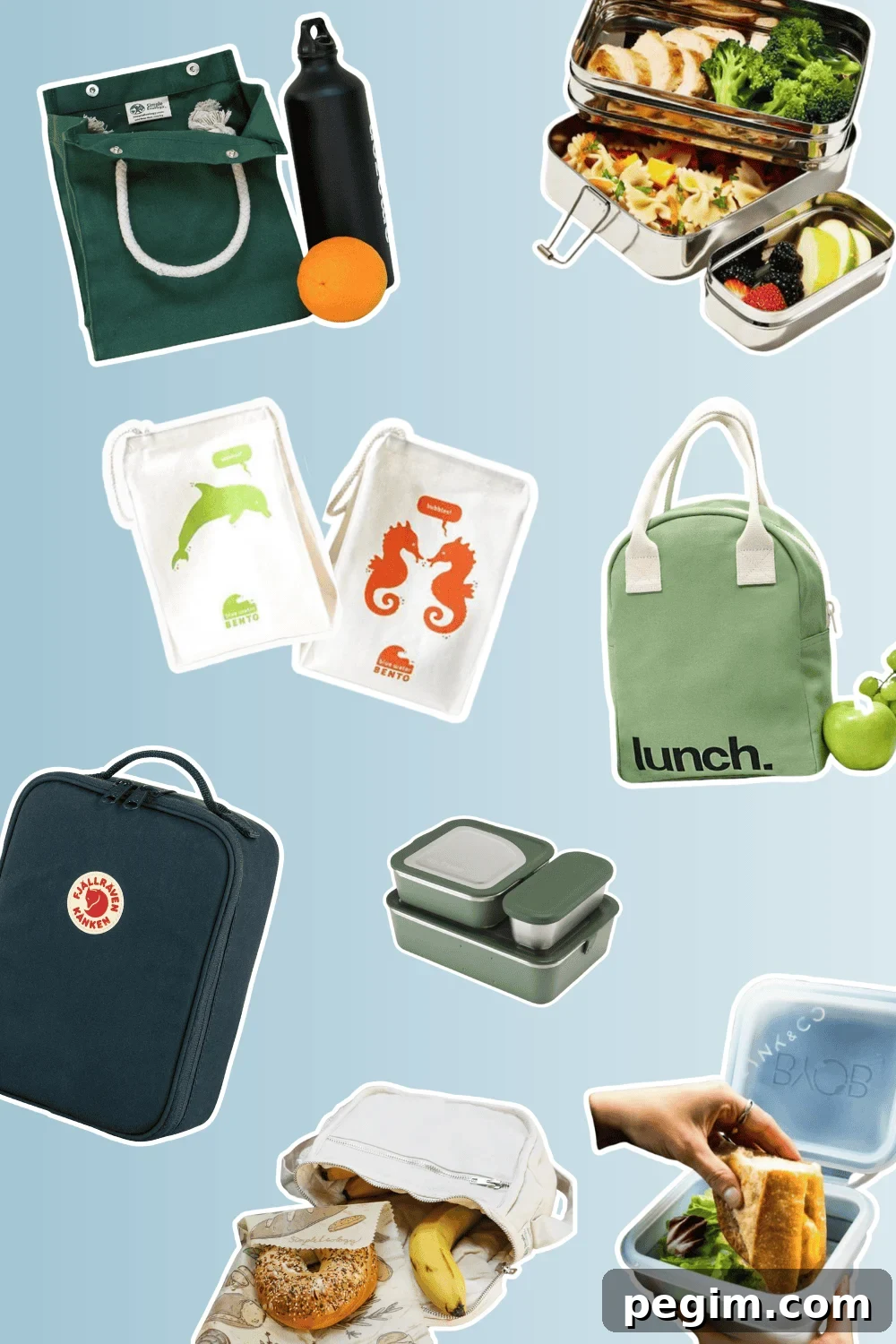
Many lunch boxes and bags are made from PVC or other plastics that can contain hormone-disrupting chemicals such as BPA and phthalates. Reducing exposure to these substances is especially important for items that touch your food.
Being mindful about the materials in your lunch gear helps keep harmful chemicals out of your meals. Below I explain which materials to avoid, which are safer, and list my favorite non-toxic lunch boxes, bags, and containers for both kids and adults.
What this guide covers:
- My favorite non-toxic lunch boxes, bags, & bento boxes (for the whole family)
- More non-toxic lunch gear
- What to choose? Lunch boxes, bento boxes, lunch bags—oh, my!
- Materials to be careful of
- Safer lunch box/bag materials to look for instead
- Brands that didn’t make the cut
This guide contains product recommendations and some links may earn compensation. Recommendations are selected for safety and quality.
My favorite non-toxic lunch boxes, bags, & bento boxes (for the whole family)
Below are trusted brands that use safer materials or offer plastic-free options. I list each brand’s main materials and who they’re best for.
Fluf (organic cotton lunch bags)
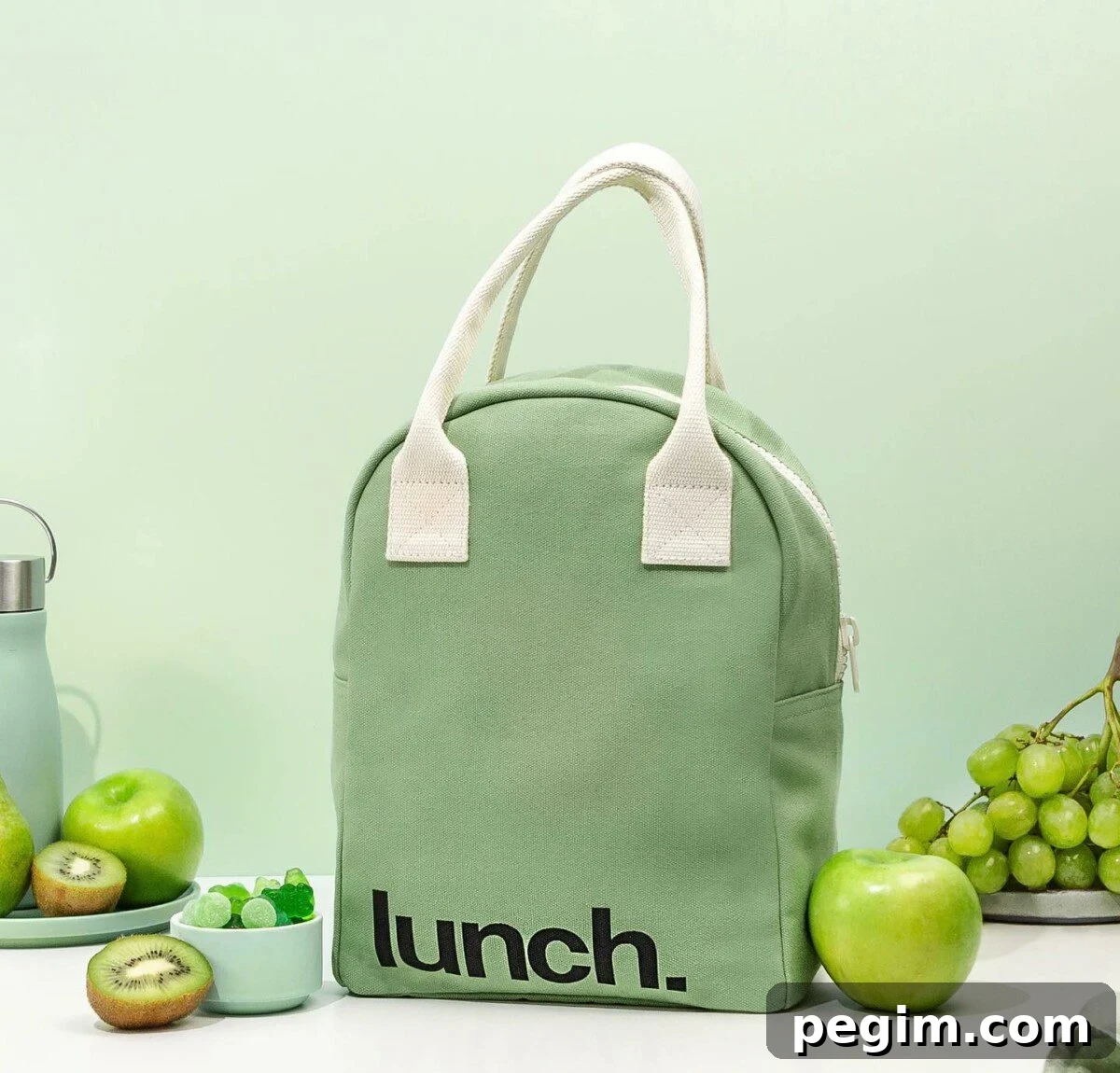
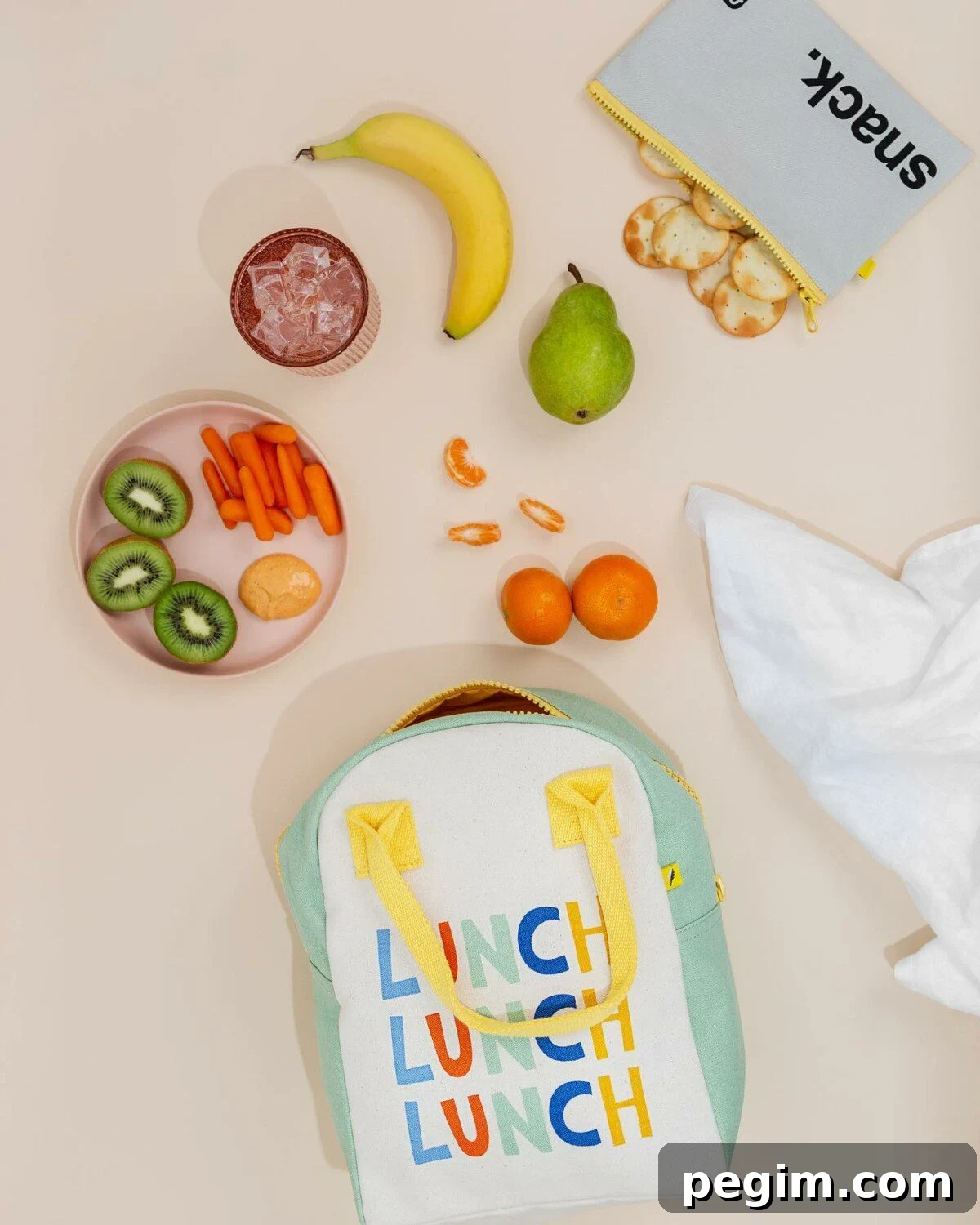
Types: Lunch bags, sandwich & snack bags, backpacks
Best for: Adults, kids, toddlers
Materials: GOTS organic cotton outer, rPET lining
Plastic-free? No (liner is recycled polyester)
Fluf makes machine-washable lunch bags and snack pouches in both minimalist and playful designs. The outer fabric is GOTS-certified organic cotton with low-impact dyes. The lining is GRS-certified rPET that meets OEKO-TEX® STANDARD 100, providing water resistance without PFAS. Fluf conducts third-party testing for a range of contaminants and emphasizes ethical manufacturing and plastic reduction across its supply chain.
ECOlunchbox (stainless steel lunch boxes and non-toxic bento boxes)
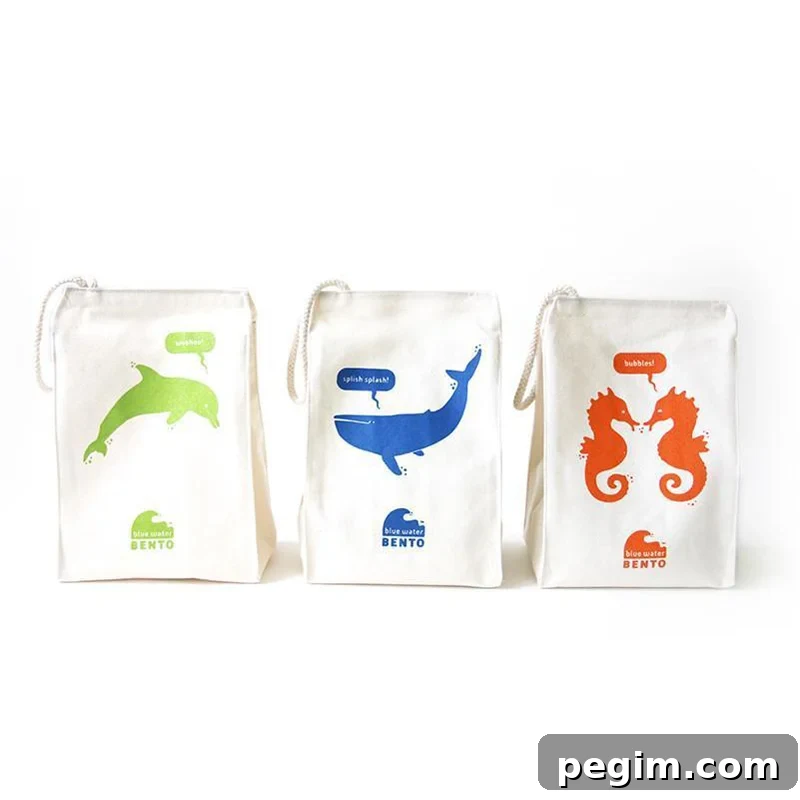
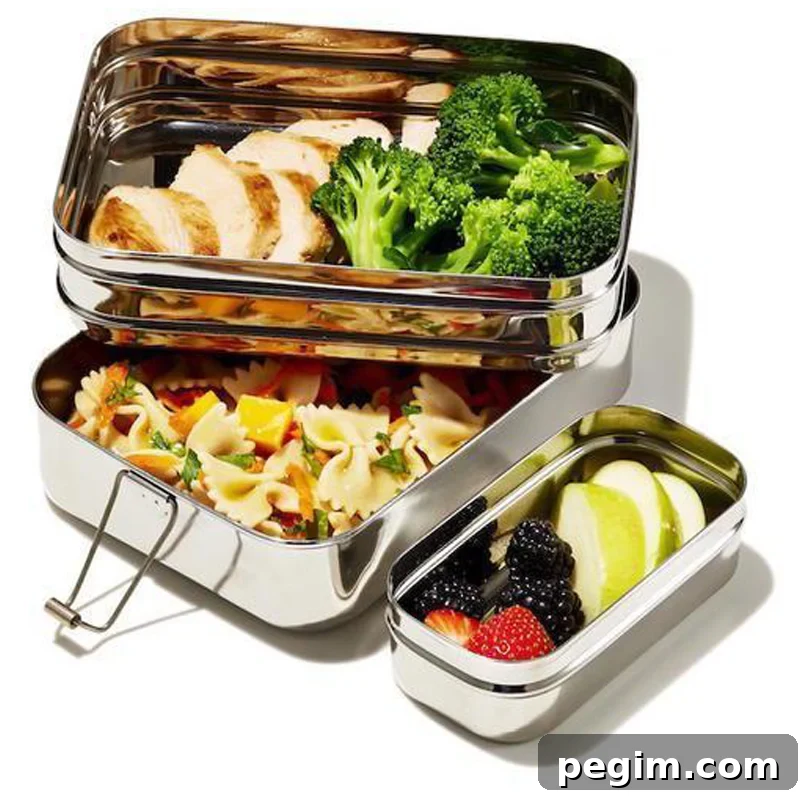
Types: Lunch bags, bento boxes, stainless steel containers
Best for: Kids & adults
Materials: Organic cotton, stainless steel, food-safe silicone
Plastic-free options? Yes
ECOlunchbox offers nearly plastic-free options including stainless steel bento boxes and machine-washable organic cotton lunch bags printed with eco-friendly ink. Many containers use 100% food-grade stainless steel, with optional silicone lids or gaskets for sealing. They provide a range of shapes and sizes and are a B Corp with sustainable practices.
Etsy (plastic-free lunch bags of various types)
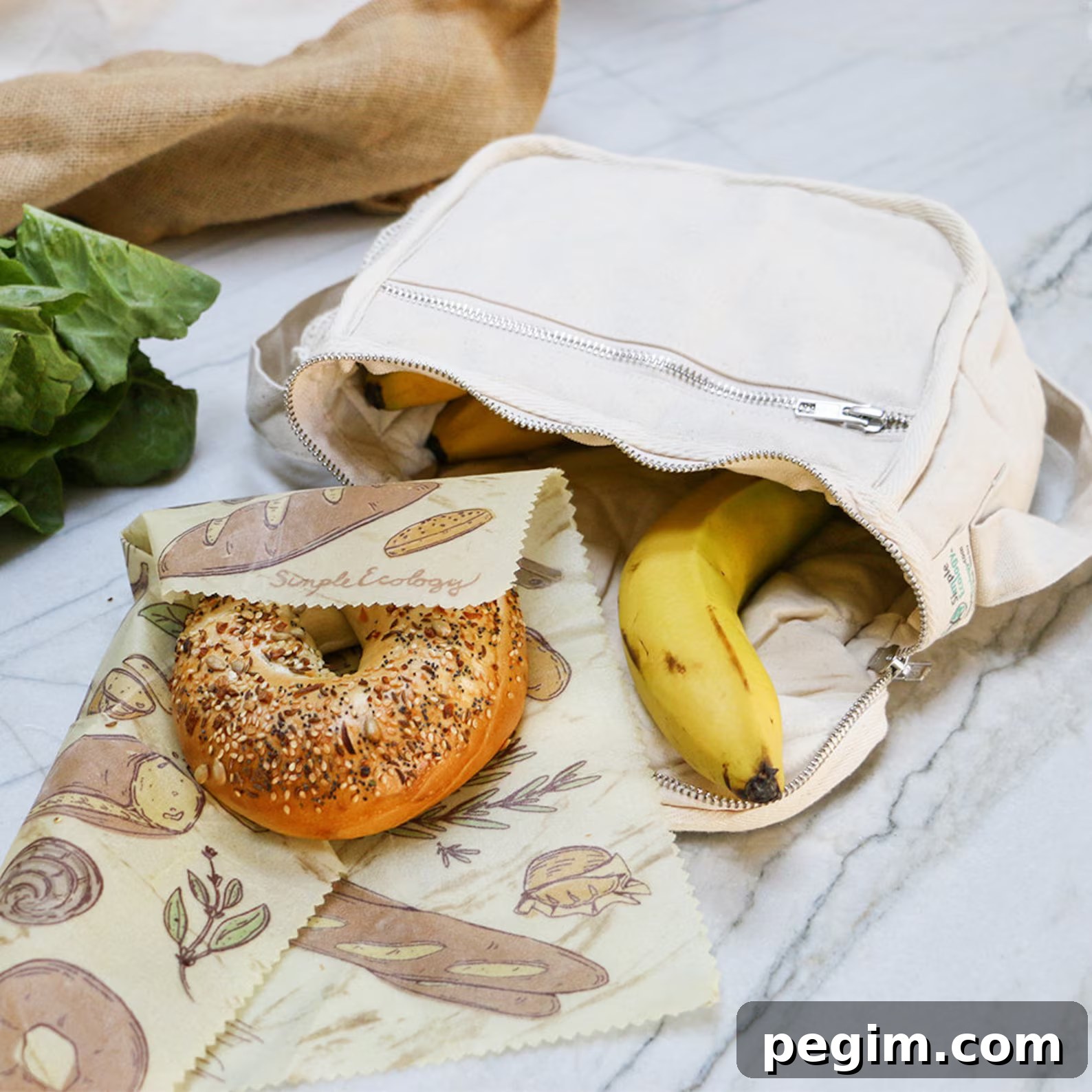
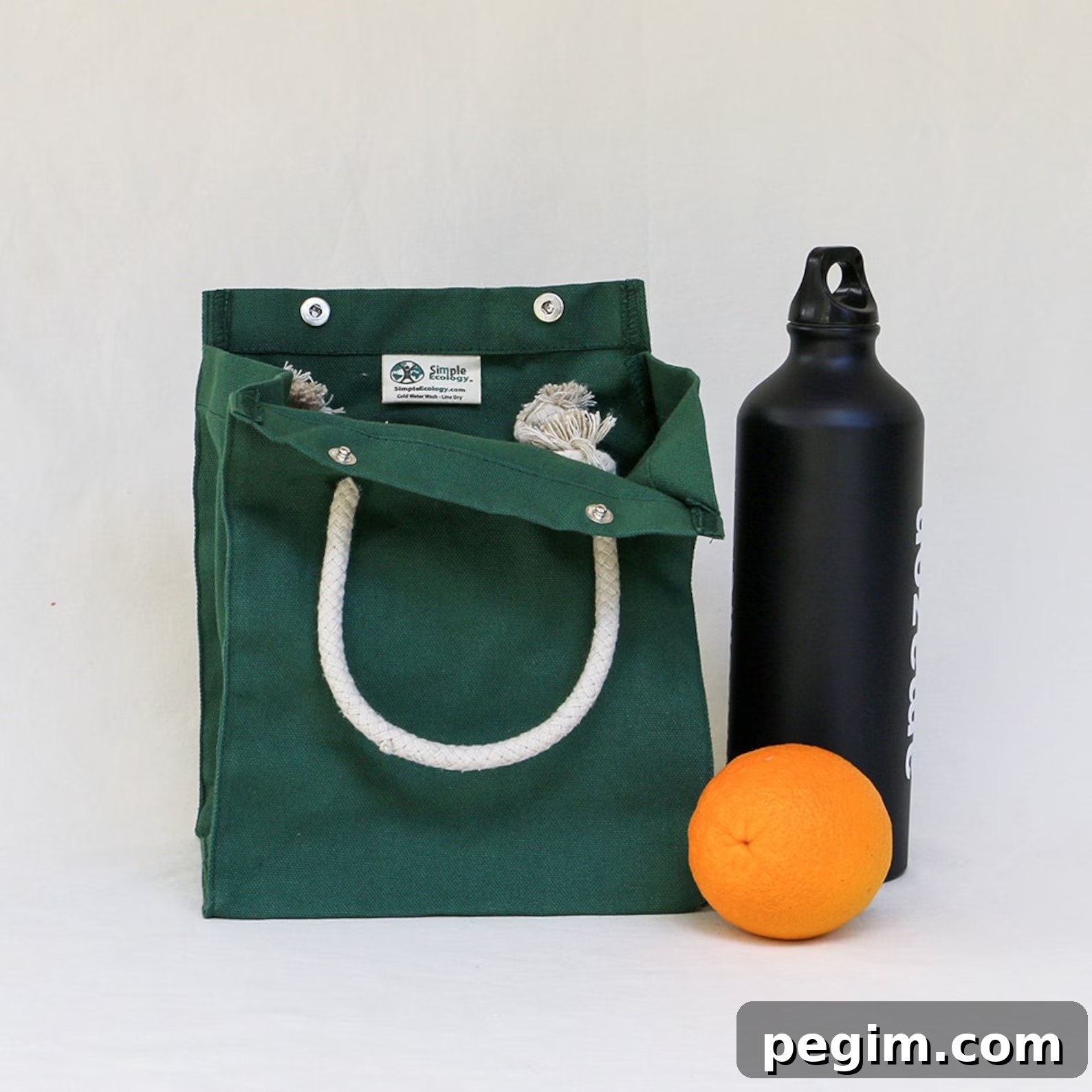
Types: Lunch bags, wraps, snack bags
Best for: Adults & kids
Materials: Organic cotton, linen, waxed canvas, wool
Plastic-free options? Yes
Etsy sellers offer a wide variety of plastic-free lunch solutions, from GOTS-certified organic cotton lunch bags to waxed canvas wraps and tied bento bags. Quality varies by seller, so check product descriptions and ask questions when needed. Etsy is a good place to find handmade, low-plastic options and accessories like beeswax wraps and organic cotton snack bags.
Fjallraven (insulated cooler lunch box)
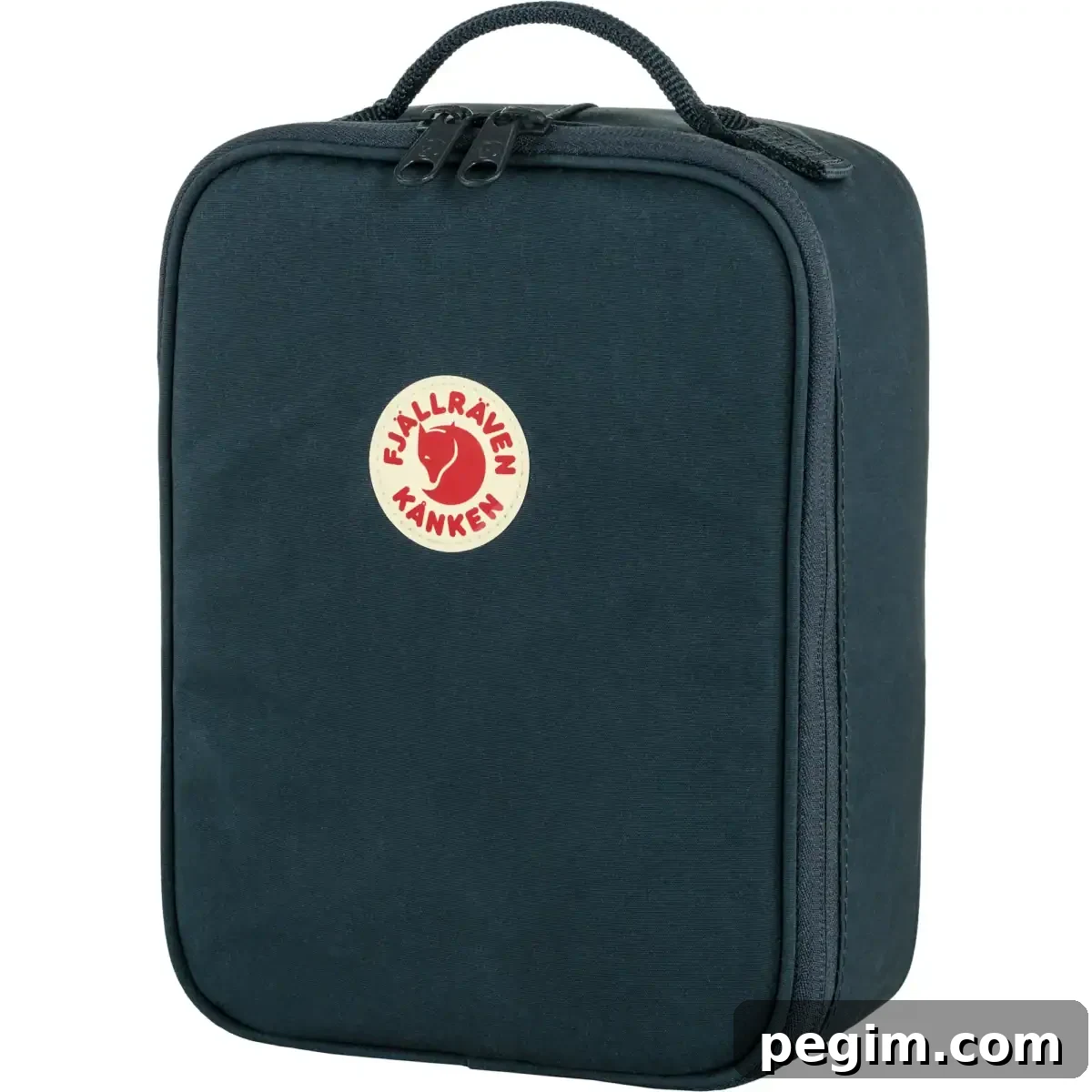
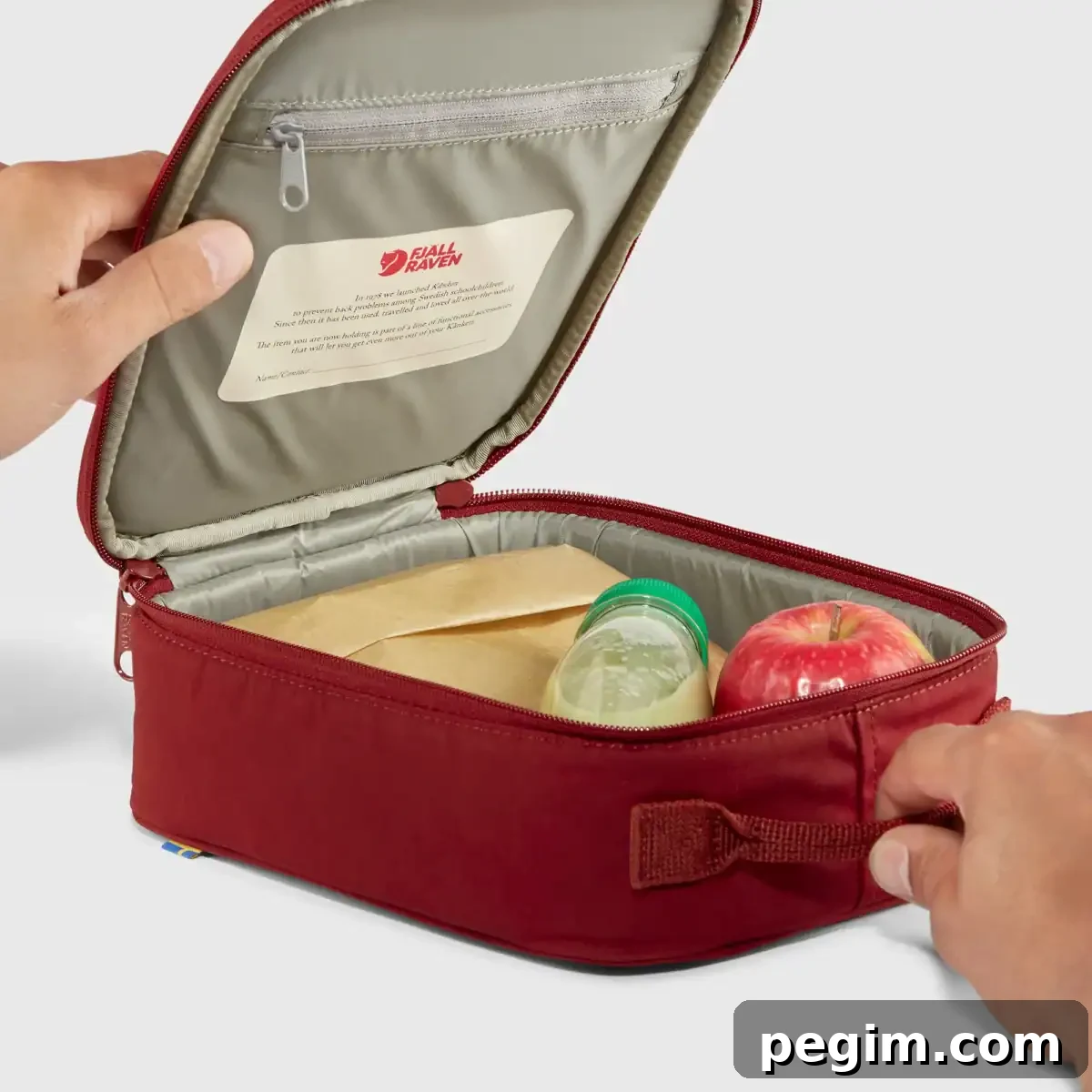
Types: Zip-up lunch box / mini cooler
Best for: Adults & kids
Materials: Organic cotton blend, polyester, polyamide
Plastic-free options? No
Fjallraven’s Kånken Mini Cooler is durable, insulated, and water-resistant without PFAS. It’s made from a blend that includes organic cotton but also synthetic fibers for performance. The brand is known for long-lasting construction and repair services.
Klean Kanteen (stainless steel & silicone boxes)
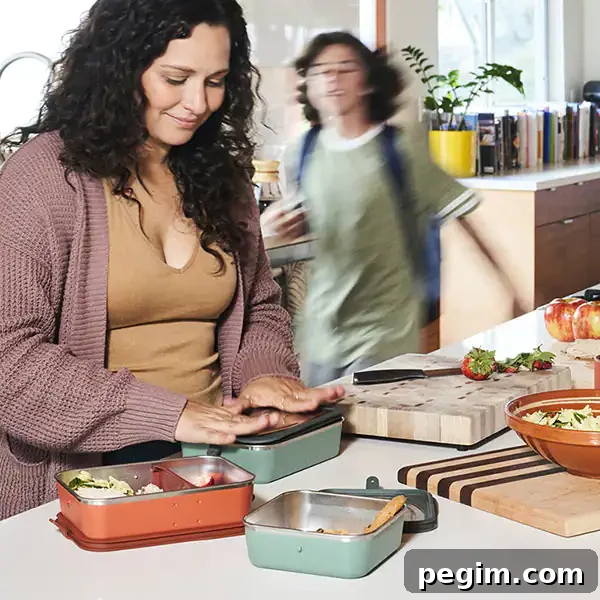
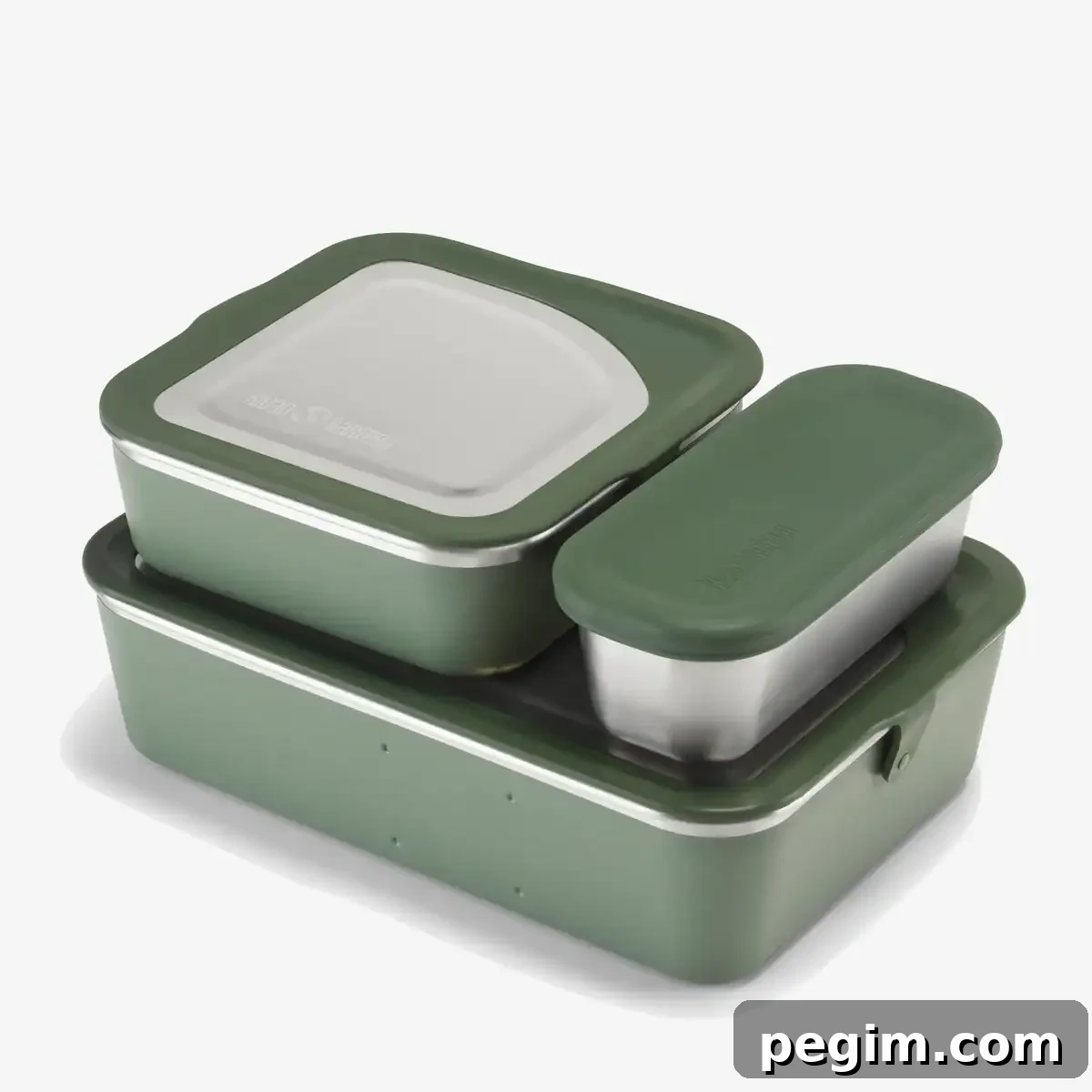
Types: Bento boxes, snack boxes
Best for: Adults & kids
Materials: Stainless steel, food-grade silicone lids
Plastic-free options? Yes
Klean Kanteen makes sectioned stainless steel food containers with food-grade silicone lids and gaskets. They’re dishwasher- and freezer-safe, leak-resistant, and fully plastic-free where it matters.
BYOB (collapsible silicone boxes)
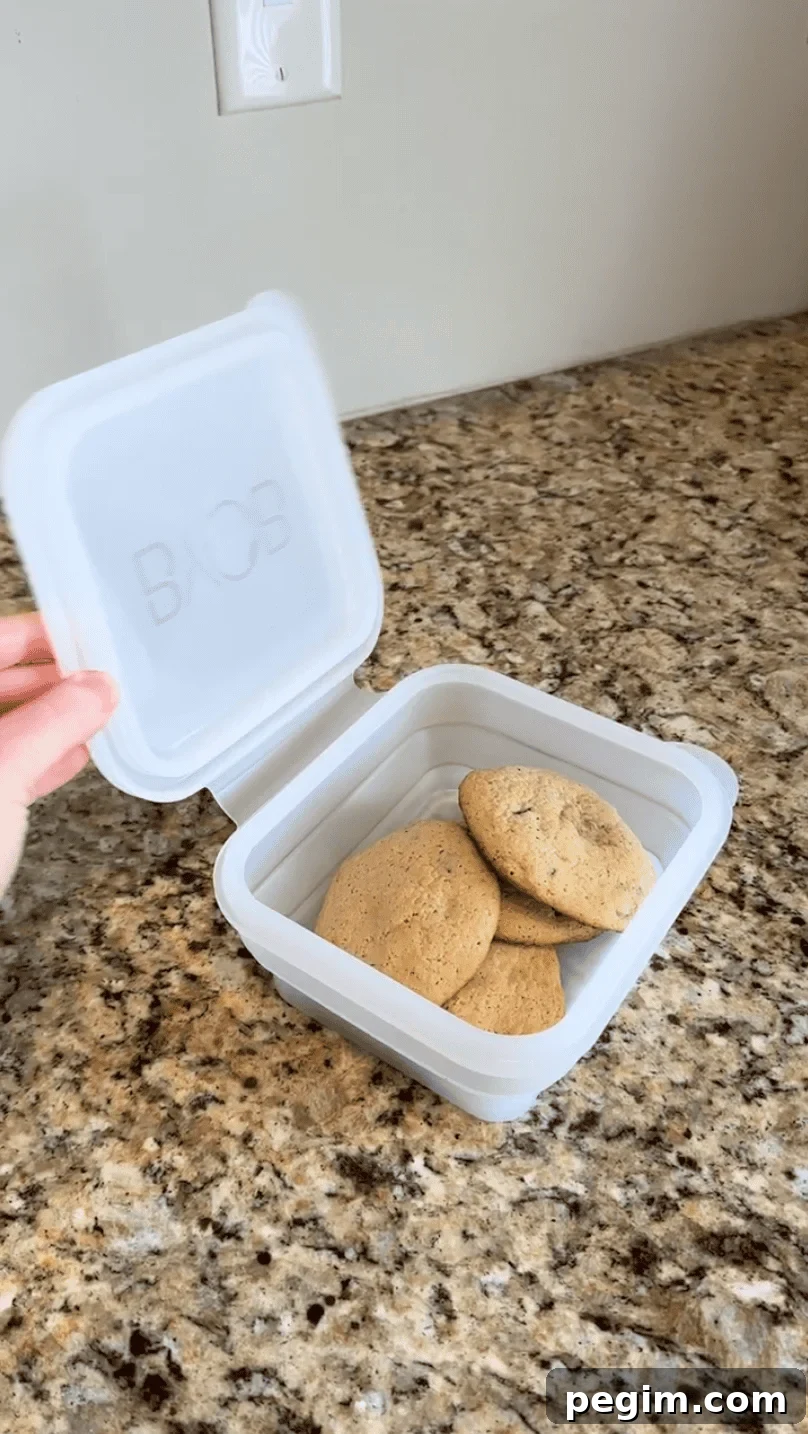
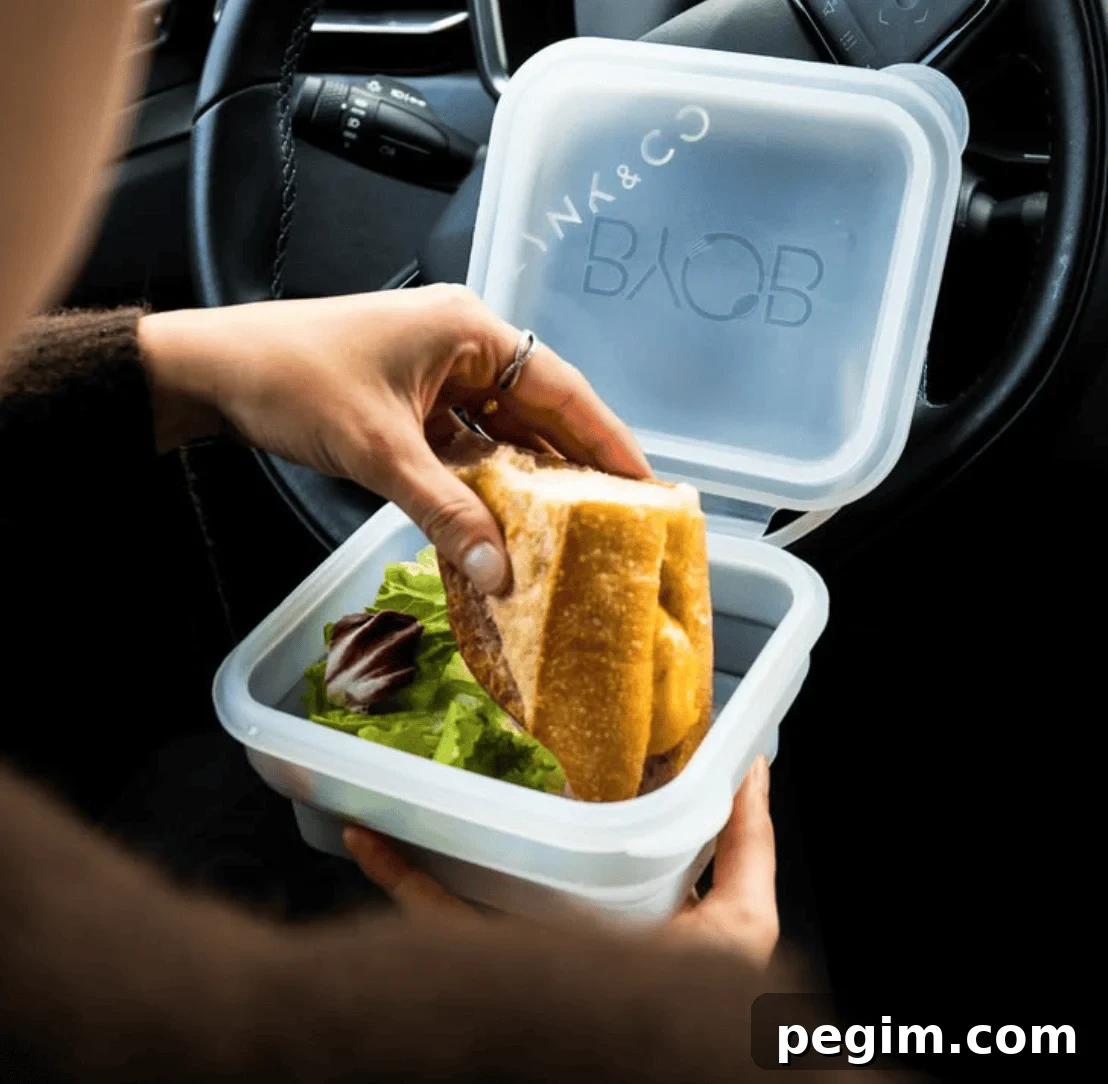
Types: Collapsible silicone containers
Best for: Adults & kids
Materials: LFGB-certified food-grade silicone
Plastic-free options? Yes
BYOB makes collapsible platinum-cured silicone boxes that are durable, easy to clean, and compact for transport. The attached lid keeps everything together, and the silicone is safe for food use.
Austin Baby Collection (leak-proof silicone bento boxes)
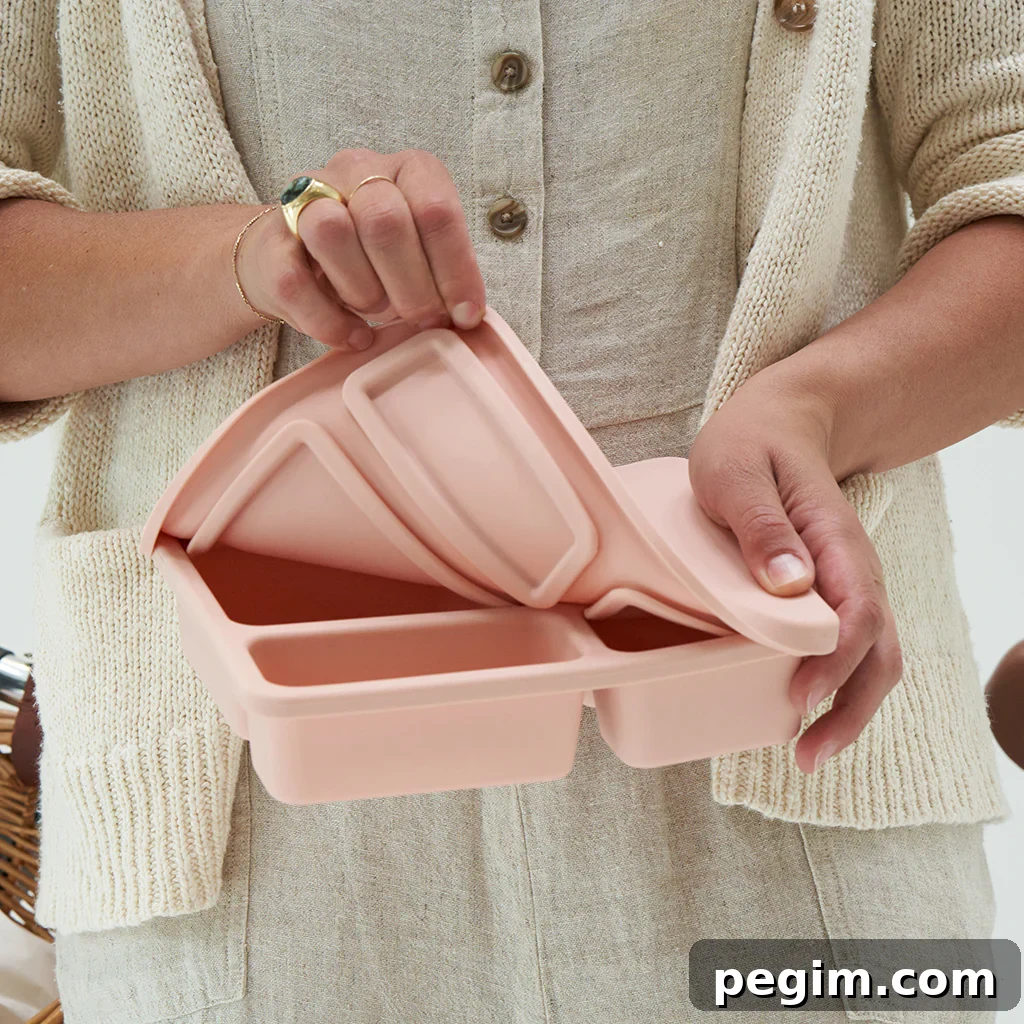
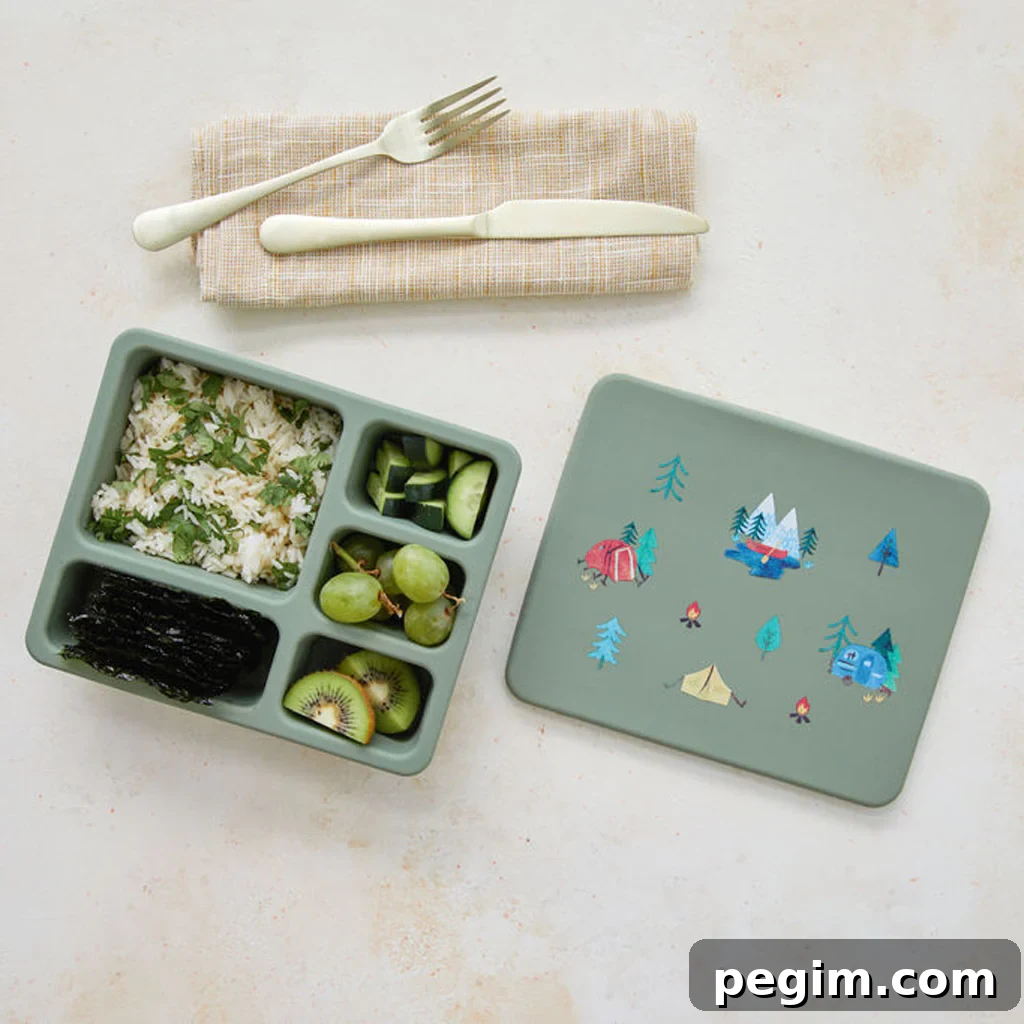
Types: Multi-section silicone bento boxes
Best for: Toddlers, kids, teens, adults
Materials: Food-grade silicone
Plastic-free options? Yes
These silicone bento boxes offer multiple leak-proof compartments and are designed for younger kids but work well for older children and adults who want a durable, dishwasher-safe option.
Pura
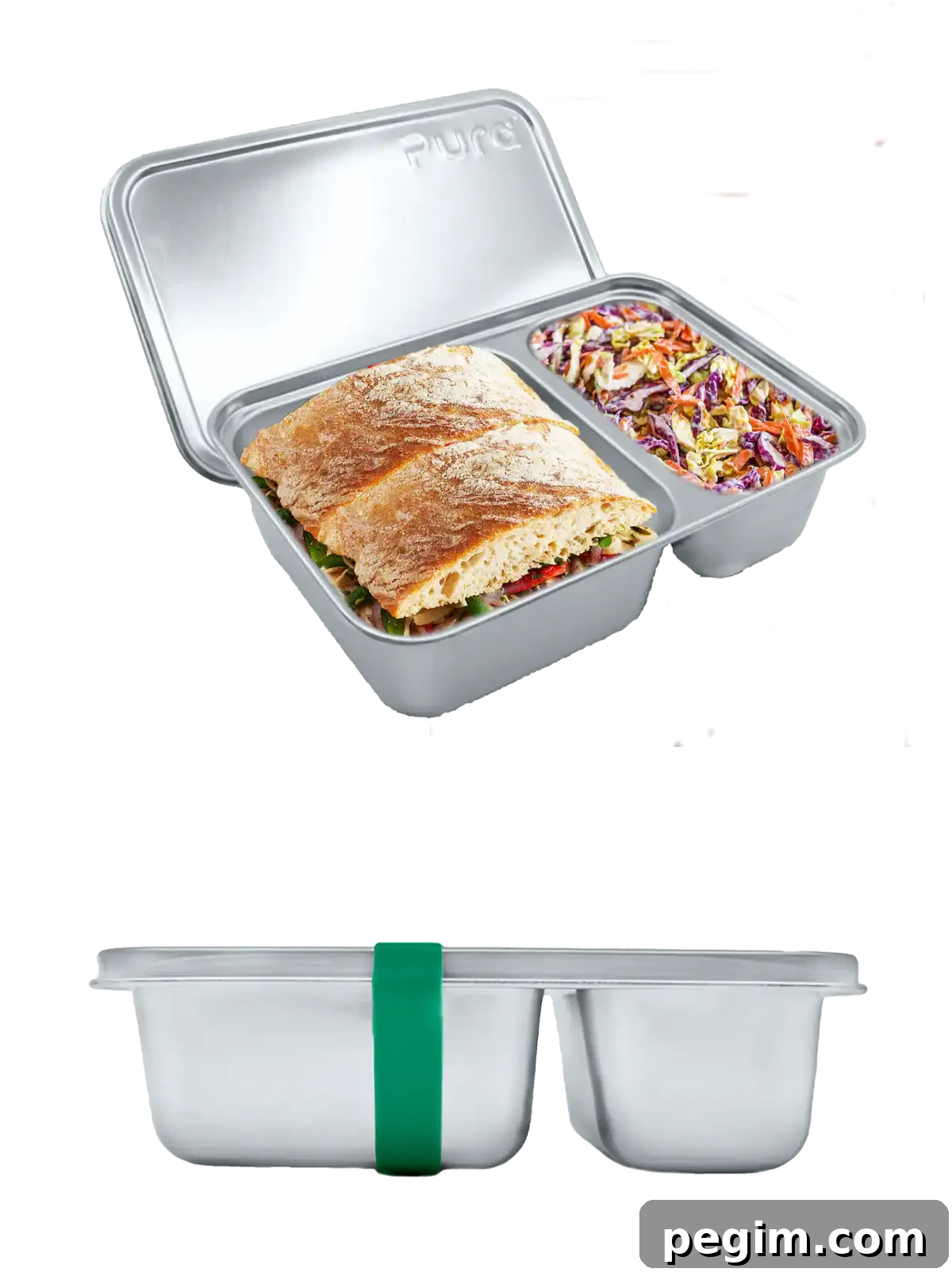
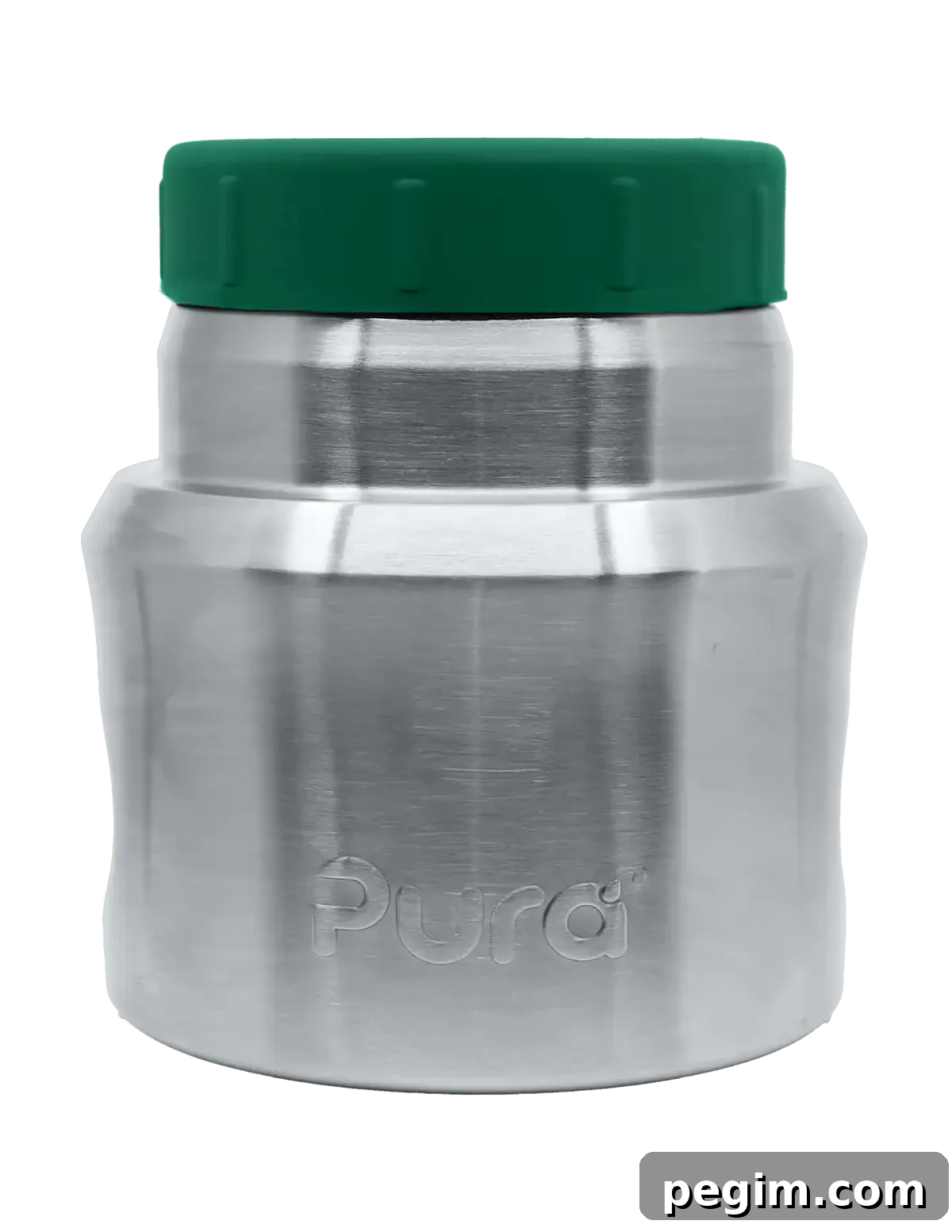
Types: Two-section lunch containers, insulated jars, snack saucers
Best for: Adults & kids
Materials: Stainless steel, medical-grade silicone
Plastic-free options? Yes
Pura is MADE SAFE certified and produces weld-free stainless steel containers with medical-grade silicone components. Their products are fully plastic-free where it matters and easy to clean.
Milkdot
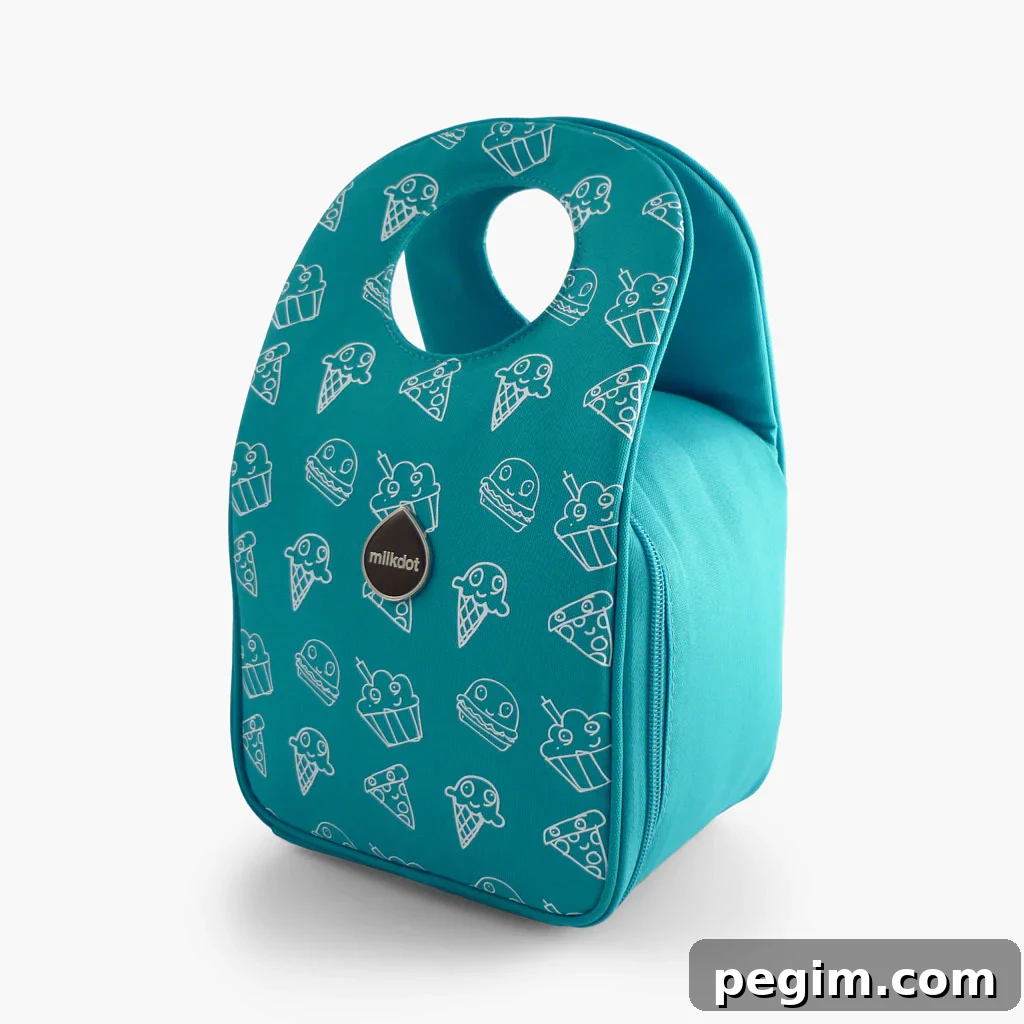
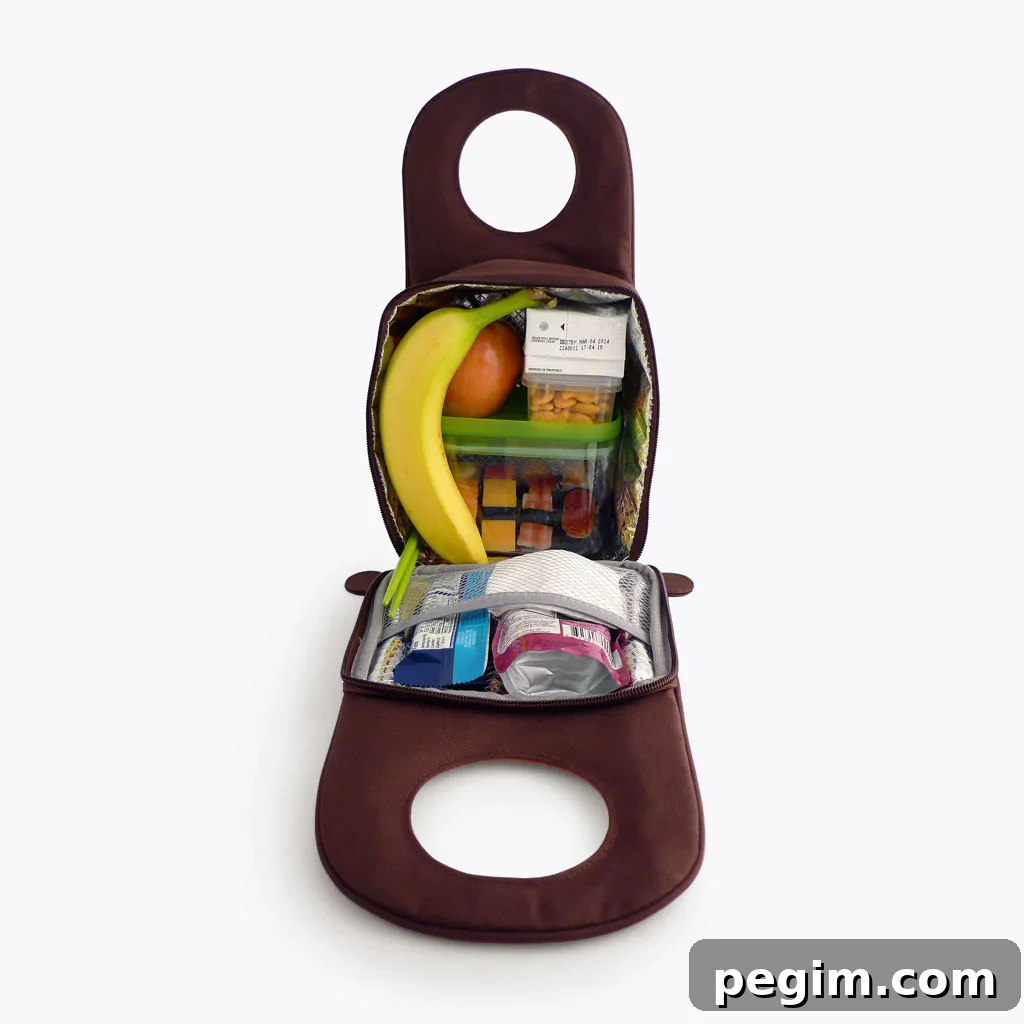
Types: Insulated lunch bags, backpacks
Best for: Kids & adults
Materials: 600 denier polyester
Plastic-free options? No
Milkdot makes polyester lunch bags tested free of PVC, phthalates, lead, and BPA. They use foam insulation (not touching food) and offer playful prints and practical features like ID tag frames.
More non-toxic lunch gear
Beyond boxes and bags, consider these safer accessories for packed lunches.
1. Baggies & other storage necessities
Choose storage that won’t leach endocrine disruptors into food. Silicone bags are a great reusable option. For breakable items, stainless steel containers are durable alternatives to glass when needed. Beeswax wraps also replace single-use cling wrap.
2. Ice packs
Stainless steel ice packs filled with distilled water are plastic-free cooling options for lunch totes.
3. Utensils
Avoid single-use plastic cutlery. Use bamboo utensils, silicone kids’ utensils, or regular stainless steel flatware from home.
4. Napkins
Opt for reusable organic cotton, hemp, or linen napkins. Unbleached paper towels are another low-tox single-use option.
5. Water bottles
Choose stainless steel or glass bottles with protective sleeves. Brands that use food-grade stainless steel and medical-grade silicone components reduce the risk of chemical exposure from drinkware.
What to choose? Lunch boxes, bento boxes, lunch bags—oh, my!
Consider lifestyle and preferences first: do you need a rigid box for protection, a soft bag to toss into a larger tote, or a bento-style container with compartments? Pick a material that matches your needs and is safe where it contacts food. A product you actually use regularly is better than a perfectly “safe” item that stays unused.
Materials to be careful of
Many common lunch items use soft plastics (often containing PVC and phthalates) or hard plastics that can include BPA or other bisphenols. Watch for these problem materials:
PVC
PVC (polyvinyl chloride) can contain chlorine and toxic additives like lead and phthalates. Dioxins, a harmful byproduct associated with PVC production and disposal, are linked to reproductive, immune, and developmental harm.
Phthalates
Phthalates are used to soften plastics and are endocrine disruptors associated with reproductive and developmental effects, metabolic issues, and other health concerns. Look for brands that test explicitly for phthalates.
BPA & other bisphenols
BPA and related bisphenols (like BPS/BPF) are endocrine-disrupting chemicals often found in hard plastics. “BPA-free” labels are not always sufficient—brands that perform thorough third-party testing are preferable.
Water/stain-resistant PFAS chemicals
PFAS (per- and polyfluoroalkyl substances) are often applied to fabrics to add water or stain resistance. These “forever chemicals” persist in the environment and are linked to cancer, immune and metabolic dysfunction, and reproductive harms. Prefer products that avoid PFAS treatments, or use natural waterproofing alternatives such as waxed canvas or beeswax-based products.
Safer lunch box/bag materials to look for instead
Cotton or organic cotton
Lunch bags made from organic cotton, hemp, or linen are good choices when they don’t carry PFAS finishes. They’re often machine-washable and avoid synthetic additives used in plastics.
Stainless steel
Food-grade stainless steel is durable, non-reactive, and a safe option for containers that hold soups, sides, and main dishes. Use stainless containers within a larger bag or choose a stainless bento box for an all-in-one solution.
Silicone
Food-grade silicone is a safer alternative to petroleum-based plastics for lids, containers, and reusable bags. High-quality, platinum-cured silicone is stable at room and cold temperatures and is commonly dishwasher-safe. Avoid exposing silicone to very high temperatures where degradation could occur.
Safer plastics
If you need plastics for durability or ease of cleaning, choose products made from resins that are generally safer (commonly noted as #2, #4, or #5) and from brands that do third-party testing for phthalates, bisphenols, and heavy metals. Keep plastics away from heat to reduce leaching.
Food-grade everything
Ensure any material in direct contact with food is labeled food-grade. This indicates stricter manufacturing standards, though it does not guarantee absence of all concerning chemicals—look for transparent, third-party testing when possible.
Brands that didn’t make the cut
Some familiar brands were excluded due to lack of transparency or materials that raise concerns. Examples include items from brands using unclear plastic formulations, products flagged with Prop 65 warnings, or companies that explicitly state their items are not PFAS-free. When considering any brand, check materials, testing, and labeling before you buy.
Choosing safer lunch gear—like stainless steel containers, food-grade silicone, and organic cotton bags—reduces the chance that PVC, phthalates, BPA, or PFAS will touch your food. Pick functional items you’ll use daily and prioritize clear materials descriptions and third-party testing when possible.
If you found this guide helpful, consider subscribing to newsletters or following trusted resources that cover chemical safety and product testing to stay updated on safe lunch gear options.