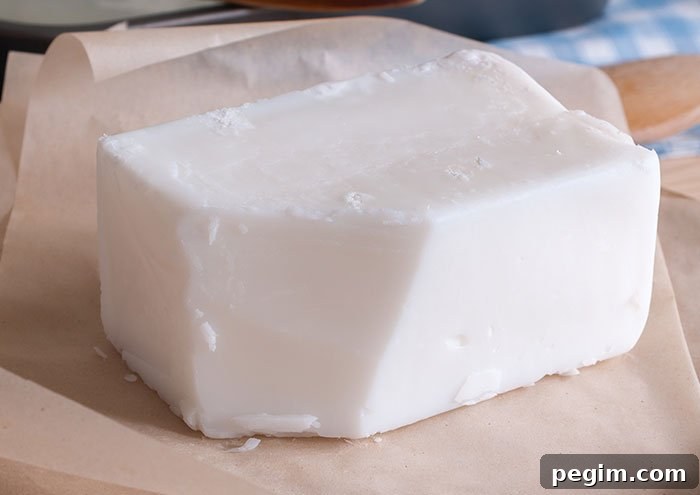
Beef tallow is a flavorful, stable fat that tolerates high heat, making it ideal for cooking and grilling. You can turn leftover beef fat and drippings into homemade beef tallow — perfect for roasting, frying, and for keeping smoked brisket moist during long cooks.
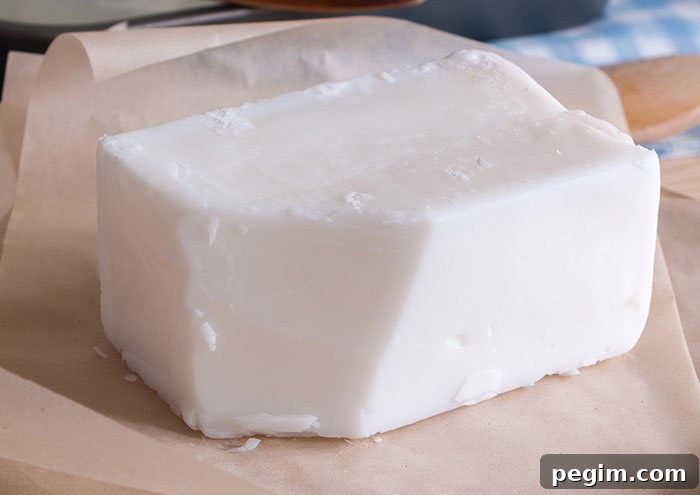
- What is Beef Tallow?
- Beef Tallow Explained
- Uses For Beef Tallow
- Where to Buy Beef Tallow
- Substitutes
- How to Make Homemade Beef Tallow
- Homemade Beef Tallow
Although beef tallow evokes traditional cooking, it has re-emerged in modern kitchens. Historically used for cooking, candles and soap, tallow declined in popularity after World War II when vegetable and synthetic fats became widespread. Today, chefs and people following higher-fat dietary plans have helped renew interest in beef tallow.
What is Beef Tallow?
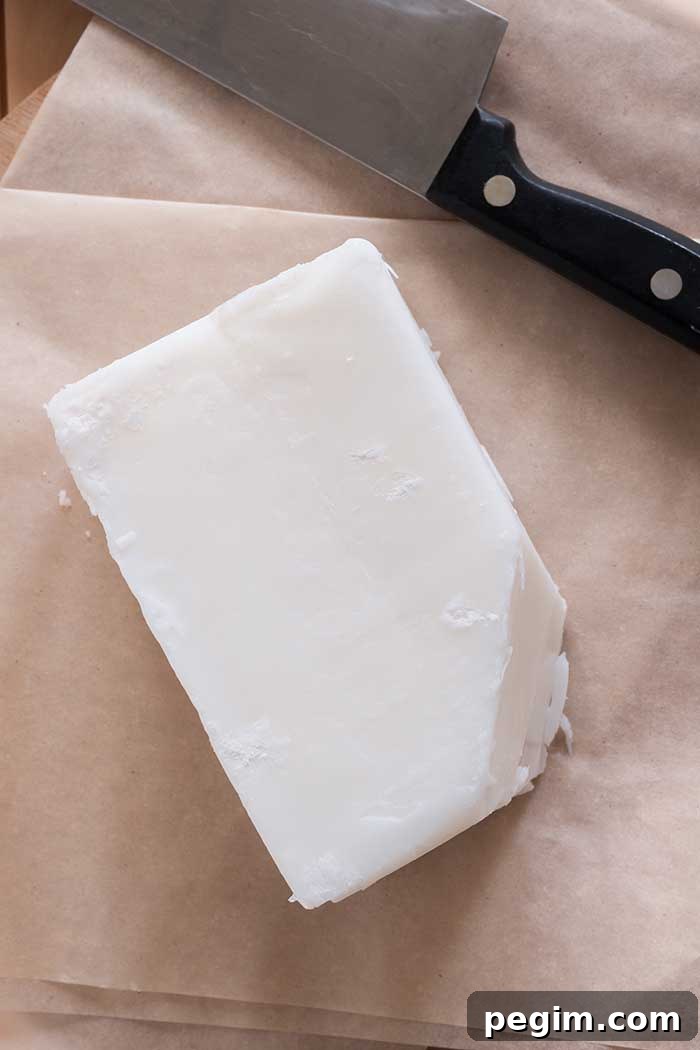
Beef tallow is rendered beef fat. Fat trimmed from cuts or collected as drippings is cooled to solidify, then rendered by gently heating and straining to remove impurities. The result is a shelf-stable cooking fat with a long history of use.
Beef Tallow Explained
Rendering means slowly melting the fat and clarifying it to separate liquid fat from solids. Properly rendered tallow is clean, mildly savory, and versatile. While it can add a subtle beefy depth to foods, the flavor is not overpowering. You can further infuse herbs or spices during rendering to introduce additional notes.
For decades saturated fats like tallow were dismissed as unhealthy in favor of vegetable oils. Recent research and changing perspectives on dietary fats have renewed interest in animal fats. Beef tallow contains nutrients and beneficial compounds, including conjugated linoleic acid (CLA), fat-soluble vitamins (A, D, K, E), and some omega fatty acids. Its nutrient profile and the way the body processes these fats are factors behind its renewed popularity.
Tallow and lard are both rendered animal fats but come from different animals. Tallow is from beef and has a higher smoke point (about 400°F/205°C), while lard is from pork and has a lower smoke point (around 374°F/190°C). Lard is relatively neutral and works well in baked goods; tallow brings a savory character that suits roasting, frying, and savory pastries. Suet refers to the hard fat around an animal’s kidneys; it can be rendered into tallow or used directly in some traditional recipes because of its higher melting point and unique texture effects.
Uses For Beef Tallow
Beef tallow is a practical substitute for vegetable oils and shortenings. Because of its high smoke point and stability, it excels for pan-frying, roasting, and deep-frying. Barbecue enthusiasts often add tallow to brisket—either spread on the wrapping paper or injected into the meat—to prevent drying during long cooks without altering the overall flavor profile.
Beyond the kitchen, tallow is used in soap and candle making, balms and salves for skin care, and historically served as a lubricant in various trades. Its versatility makes it valuable in both culinary and non-culinary applications.
Where to Buy Beef Tallow
Beef tallow is not always stocked at large supermarkets but is commonly available from local butchers, farmers, specialty food stores, and some online retailers. Many small producers sell rendered tallow in jars if you prefer a ready-made option.
Substitutes
If you don’t have beef tallow, suitable animal-fat substitutes include lard, chicken schmaltz, or clarified butter (ghee). For vegan or plant-based alternatives, stable oils like coconut oil or high-smoke-point vegetable oils can work, depending on the recipe.
How to Make Homemade Beef Tallow
Rendering tallow at home is straightforward and a great way to use leftover fat. You’ll need basic kitchen equipment and a few hours of low-and-slow cooking time.
Tools
- Stockpot: A large pot with room to prevent splatter.
- Strainer: A fine strainer catches solids.
- Cheesecloth: For a second filtration to remove fine impurities.
- Funnel: Helpful for pouring into jars without spilling.
- Mason jar: Choose wide-mouth jars for easier filling and scooping.
How To Render Beef Tallow
- Add beef fat to the stockpot: Trim excess meat and cut fat into small, even pieces so it melts more quickly.
- Heat to a slow simmer: Render over low heat for several hours. Keep the temperature low — if it boils, reduce heat. Stir occasionally to prevent sticking.
- Strain to remove large solids: When the fat is fully liquid, remove from heat and pour through a strainer into a heatproof container to catch larger bits.
- Strain through cheesecloth: Filter the liquid again through cheesecloth to remove fine particles; this helps preserve the tallow longer.
- Store the tallow: Pour the strained liquid into airtight jars using a funnel. Allow to cool completely; solid tallow becomes white and firm. Store in the refrigerator.
Storage
Properly strained homemade tallow will keep in the refrigerator for around three months. You can freeze tallow for up to a year, though correct sealing is important to avoid freezer burn. Always use clean utensils to preserve quality and prevent contamination.
Homemade Beef Tallow
Equipment
-
cooking spray
-
large stockpot
-
strainer
-
cheesecloth
-
funnel
-
mason jar
Ingredients
- 4 lbs white beef fat or beef suet cut into small chunks
Instructions
-
Warm a stockpot over medium-low heat and add a light coating of cooking spray.
-
Add the beef fat chunks, cover, and maintain a slow simmer. Stir every 20–30 minutes and render for about 3–4 hours. Lower heat if it begins to boil.
-
When the fat is fully liquid, remove from heat and pour the tallow through a strainer into a heatproof container to remove solids.
-
Strain a second time through cheesecloth to remove fine impurities.
-
Decant the strained tallow into a mason jar or airtight container. Let cool completely before sealing; the tallow will set white and solid.
-
Store in the refrigerator for up to three months.