A
Aromatics
Aromatics are the vegetables and herbs that add flavor and aroma to a dish. They are typically sautéed at the start of cooking to build the dish’s foundation. In French cooking this mix is called mirepoix; other cuisines have their own aromatic blends and techniques.
B
C
Caramelizing
Caramelizing occurs when an ingredient’s natural or added sugars brown under heat, producing nutty, complex flavors and a deeper color similar to caramel.
E
Ear
The “ear” of a sourdough is the extra crunchy flap of crust that forms when the dough experiences oven spring and the scored surface expands rapidly. It creates a distinctive, crispy edge on the loaf.
F
Flaky pastry
Flaky or puff pastry has visible, layered structure created by lamination: alternating layers of dough and butter (or shortening) are rolled and folded so that, when baked, the fat separates the dough into distinct layers. The process is time-consuming; a practical alternative is a high-quality frozen all-butter flaky pastry.
G
Garnish
A garnish decorates or embellishes a dish, adding visual appeal and sometimes complementary flavor or texture.
H
Hull
Hulling strawberries means removing the leafy tops and core. This can be done with a small knife or a huller to minimize waste.
M
Marinate
Marinating is soaking food—often meat—in a seasoned liquid of herbs, spices and often an acid to add flavor and tenderize. Longer marinating times generally result in deeper flavor penetration. Marinades vary widely by cuisine and purpose.
Mirepoix
Mirepoix is a classic French base of diced onions, celery and carrots sautéed in oil or butter. It provides the foundational flavor for many sauces, stews and soups.
P
Poach
Poaching cooks food gently in liquid kept just below boiling. This technique produces tender results and allows the cooking liquid to impart flavor to the food.
Puree
A purée is a smooth, soft texture achieved by processing ingredients in a blender or food processor. The final smoothness depends on the power and quality of the equipment used.
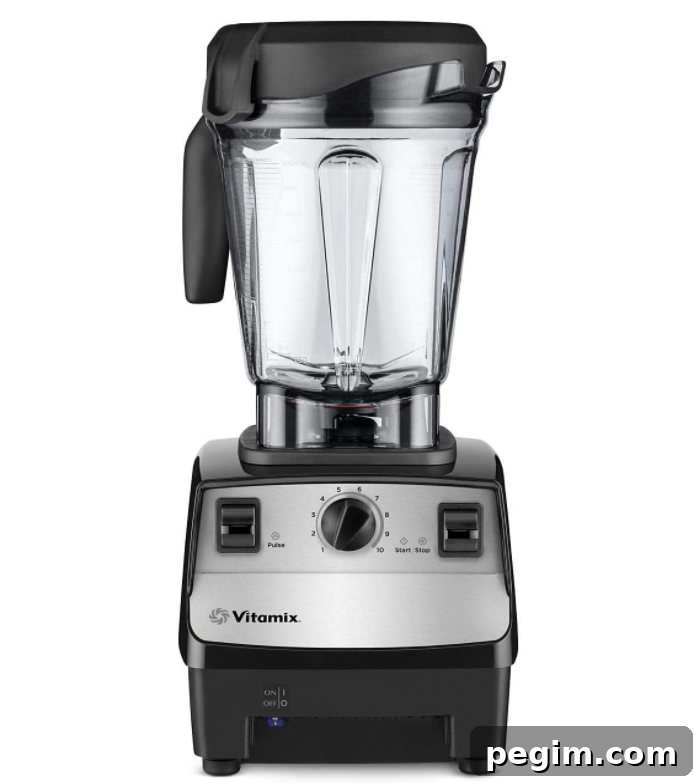
Low profile Vitamix
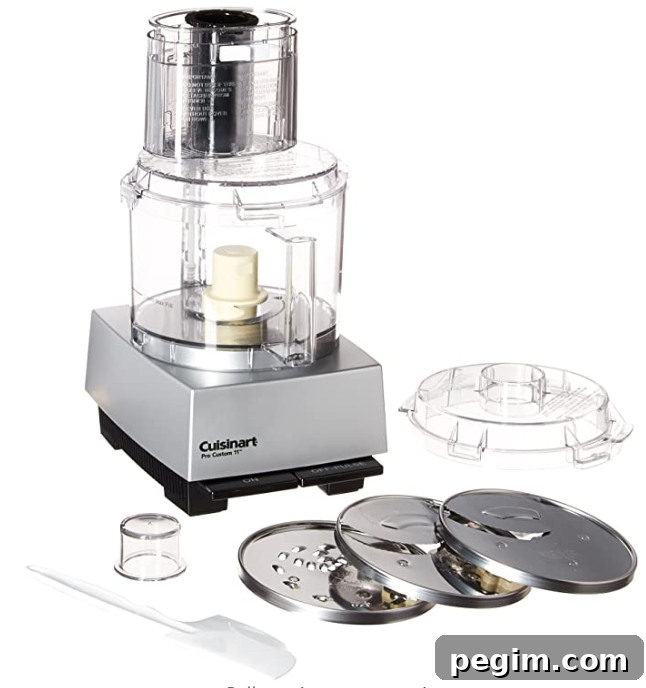
Cuisinart food processor

Immersion blender for small jobs
R
Render
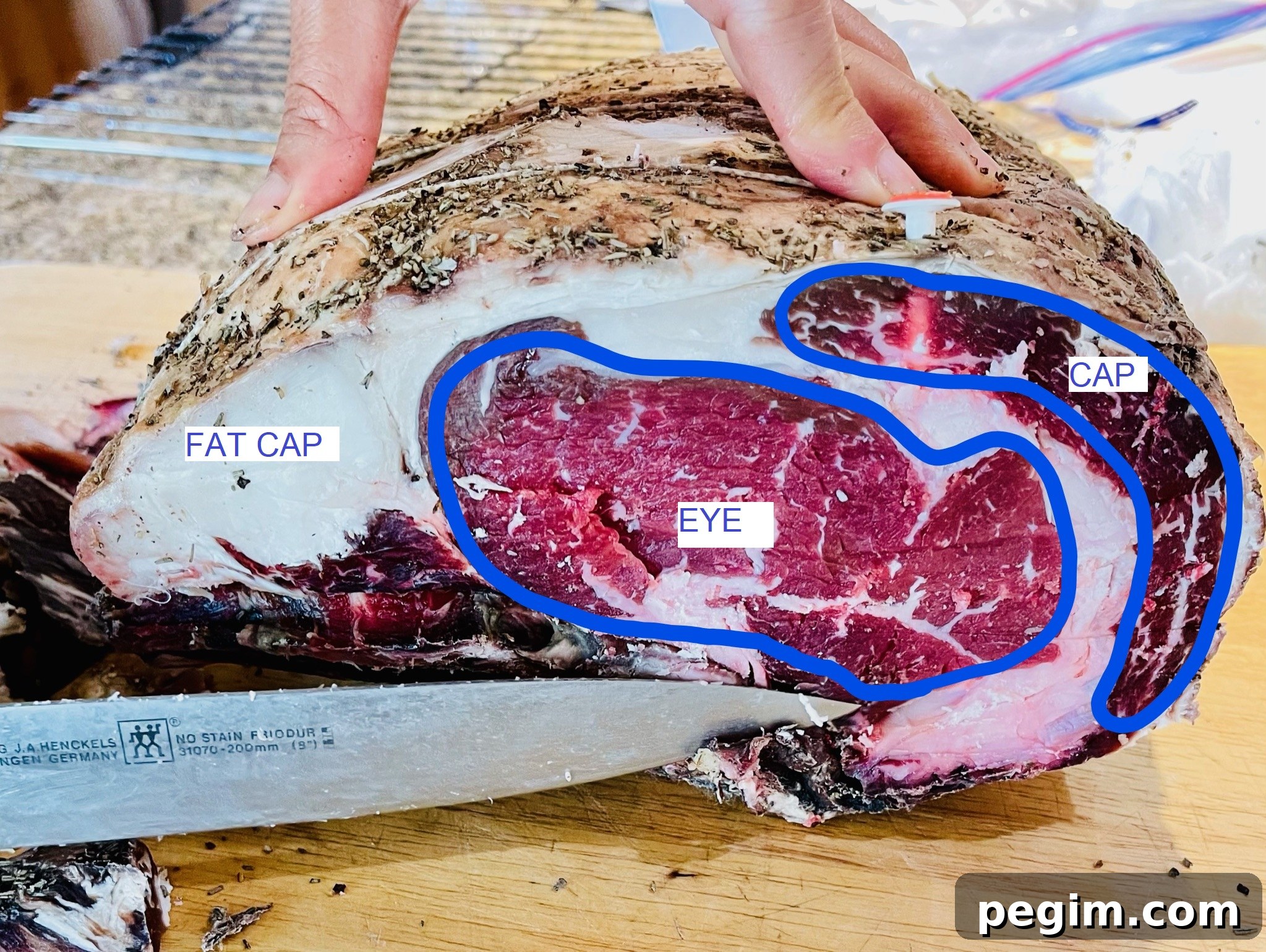
Rendering fat melts the fat away from meat and evaporates water, which increases shelf stability. The fat turns to liquid when heated and solidifies again as it cools.
Roux
A roux is a mixture of equal parts fat and flour cooked together to thicken sauces. When adding liquid to a roux, whisk constantly to achieve a smooth sauce without lumps.
S
Sauté
To sauté means to cook quickly in a small amount of hot oil or fat, typically over medium-high heat.
Sear
Searing uses very high heat to brown the surface of meat, forming a crust that helps lock in juices and adds flavor. A cast-iron skillet is especially effective for achieving the high temperatures needed.
Seize
Chocolate seizes when moisture contacts melting chocolate, transforming it from smooth and fluid into a stiff, grainy mass. To prevent seizing, keep steam and water away from chocolate during melting. If a recipe requires a liquid, add it to room-temperature chocolate before heating.
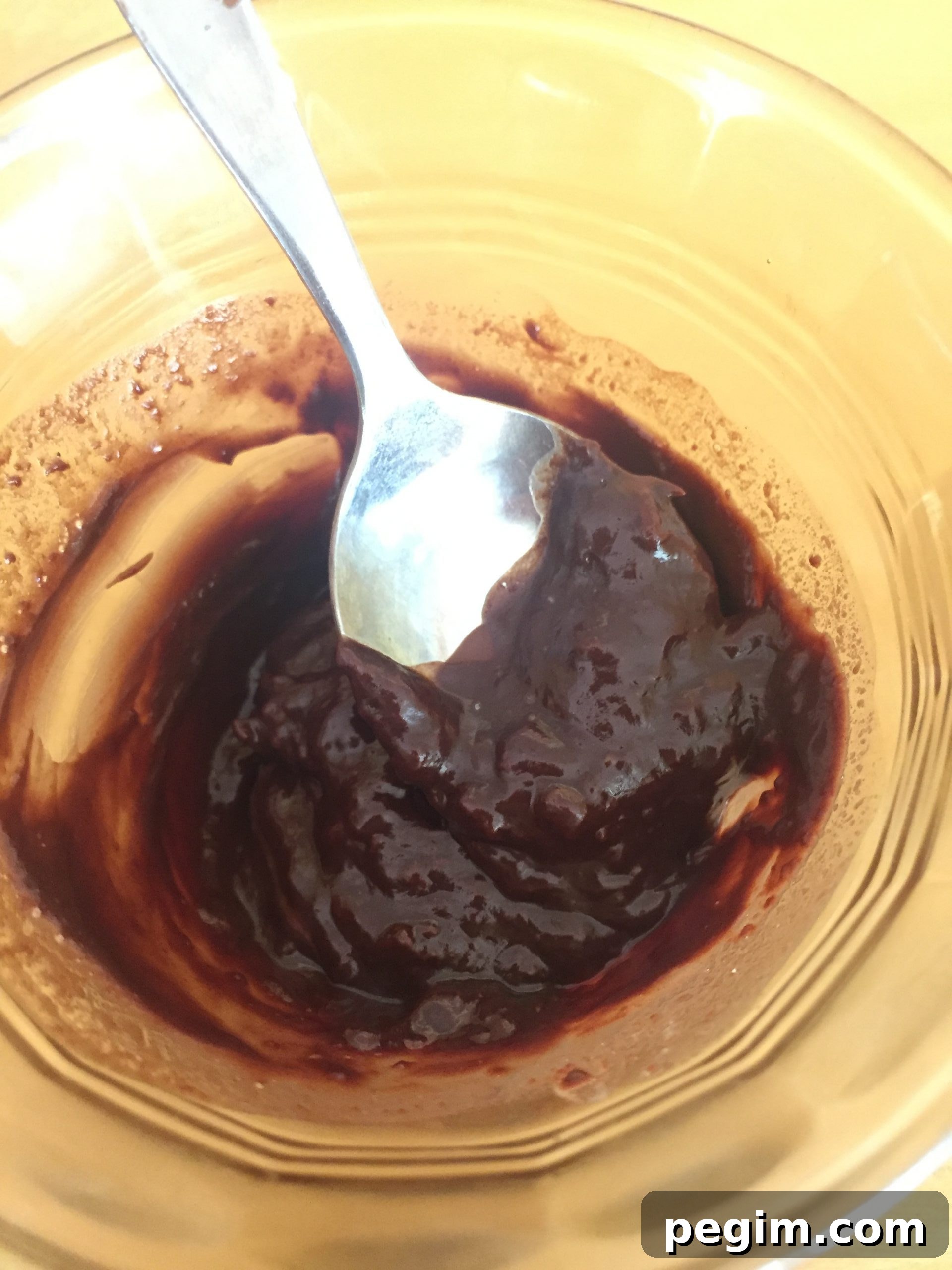
Chocolate can seize if milk or other liquids are added after melting.
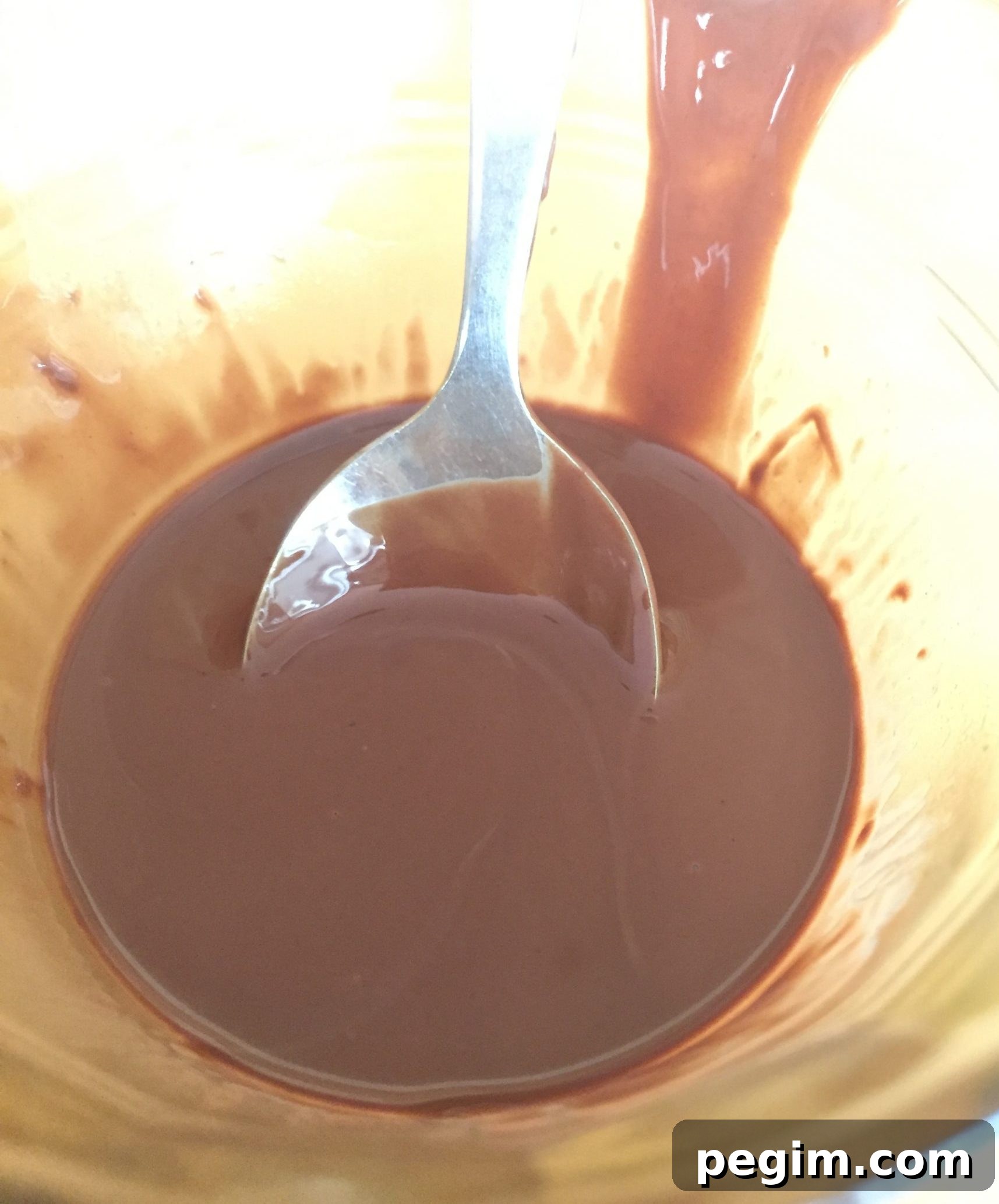
Melted chocolate with a small amount of oil added before heating helps maintain a smooth texture for some applications.
Short / Sweet pastry crust
Short crust or sweet pastry has a crumbly, shortbread-like texture. Unlike flaky pastry, the fat is fully incorporated into the dough to create a tender, crumbly crust. This style is quicker to make and well-suited for tarts and pies.
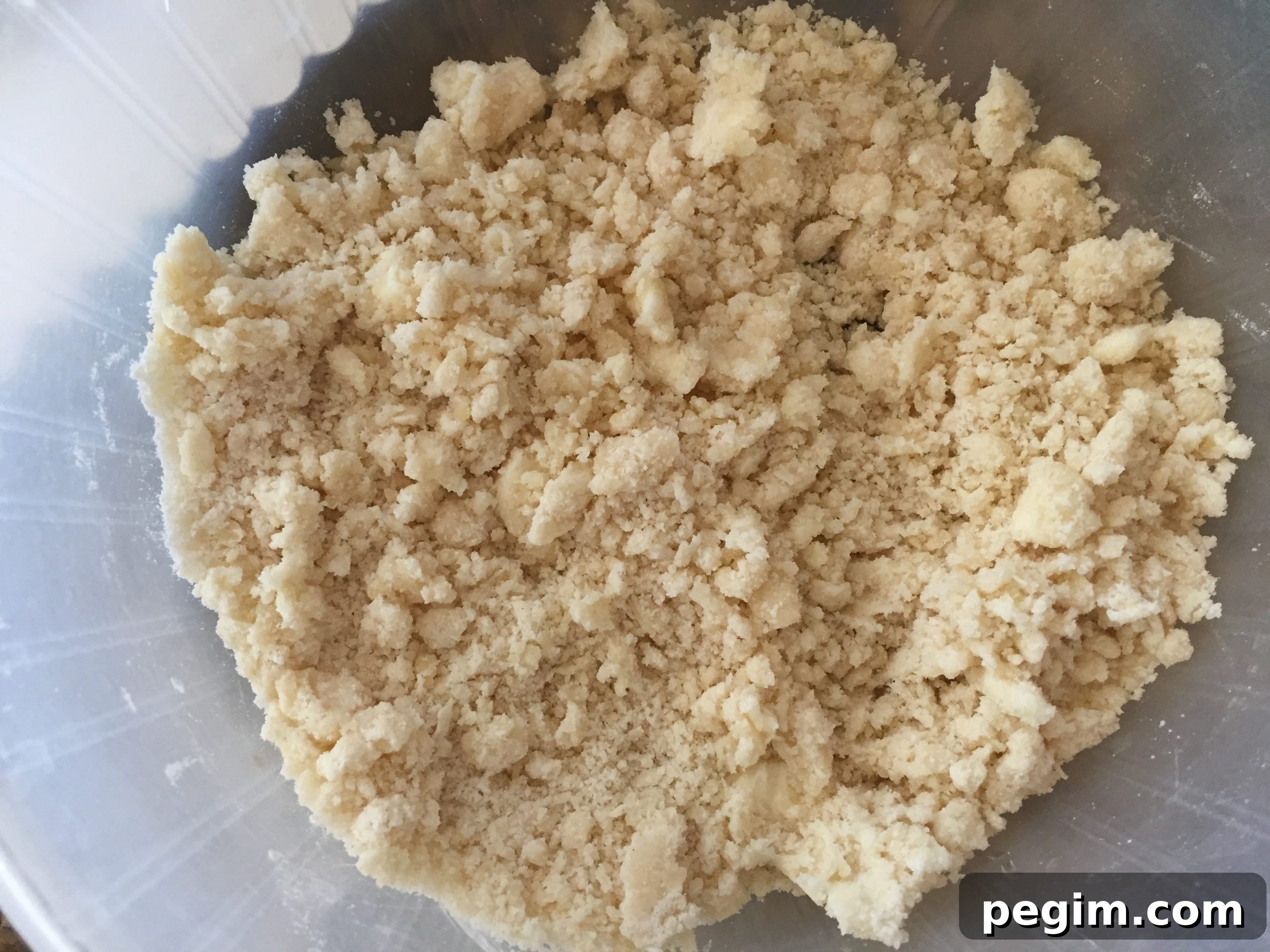
Sweet crust pastry
Simmer
Simmering means maintaining a temperature just below boiling, where small, gentle bubbles rise steadily but the liquid is not at a full boil.
Smoke point
The smoke point is the temperature at which an oil begins to smoke and break down, imparting burned flavors. Different oils have different smoke points and should be chosen according to the cooking method.
Steam
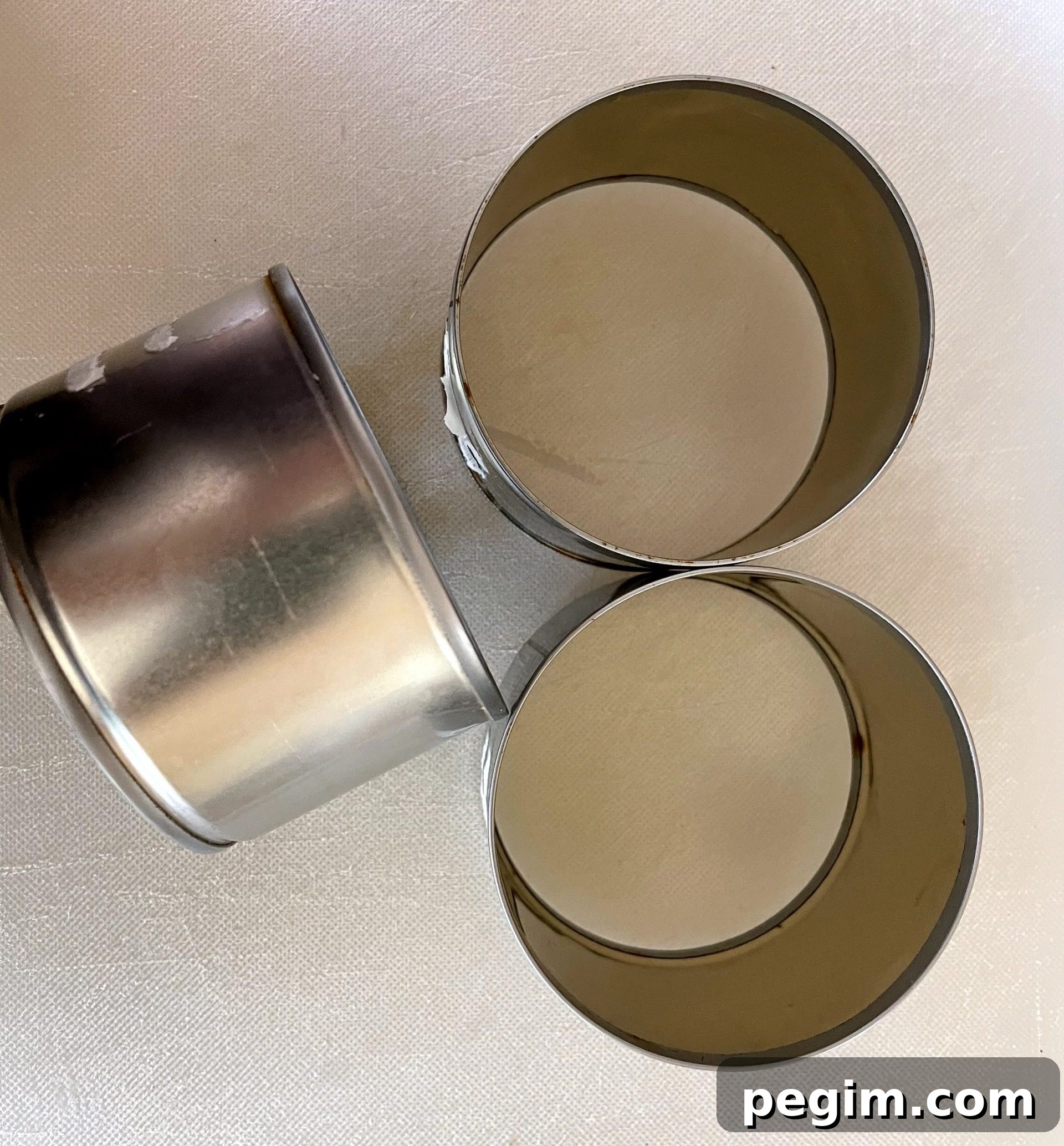
Steaming cooks food with hot vapor. If you lack a dedicated steamer, you can improvise by placing the food on a rack or on cans with both ends removed above a pot of simmering water—ensure the food does not touch the water.
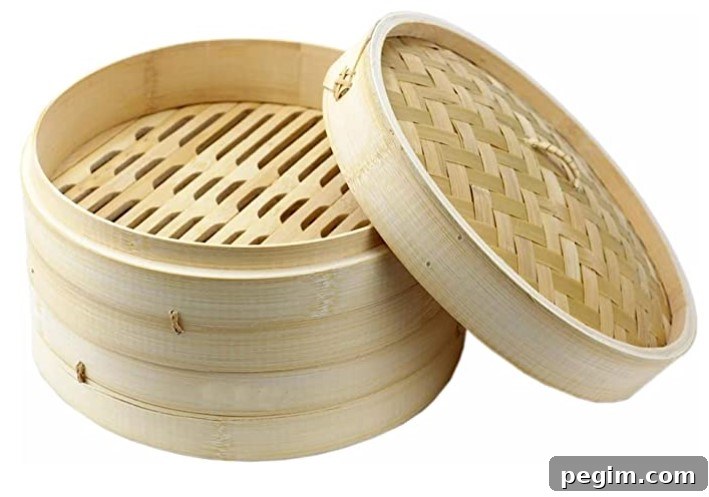
Bamboo steamer 12″
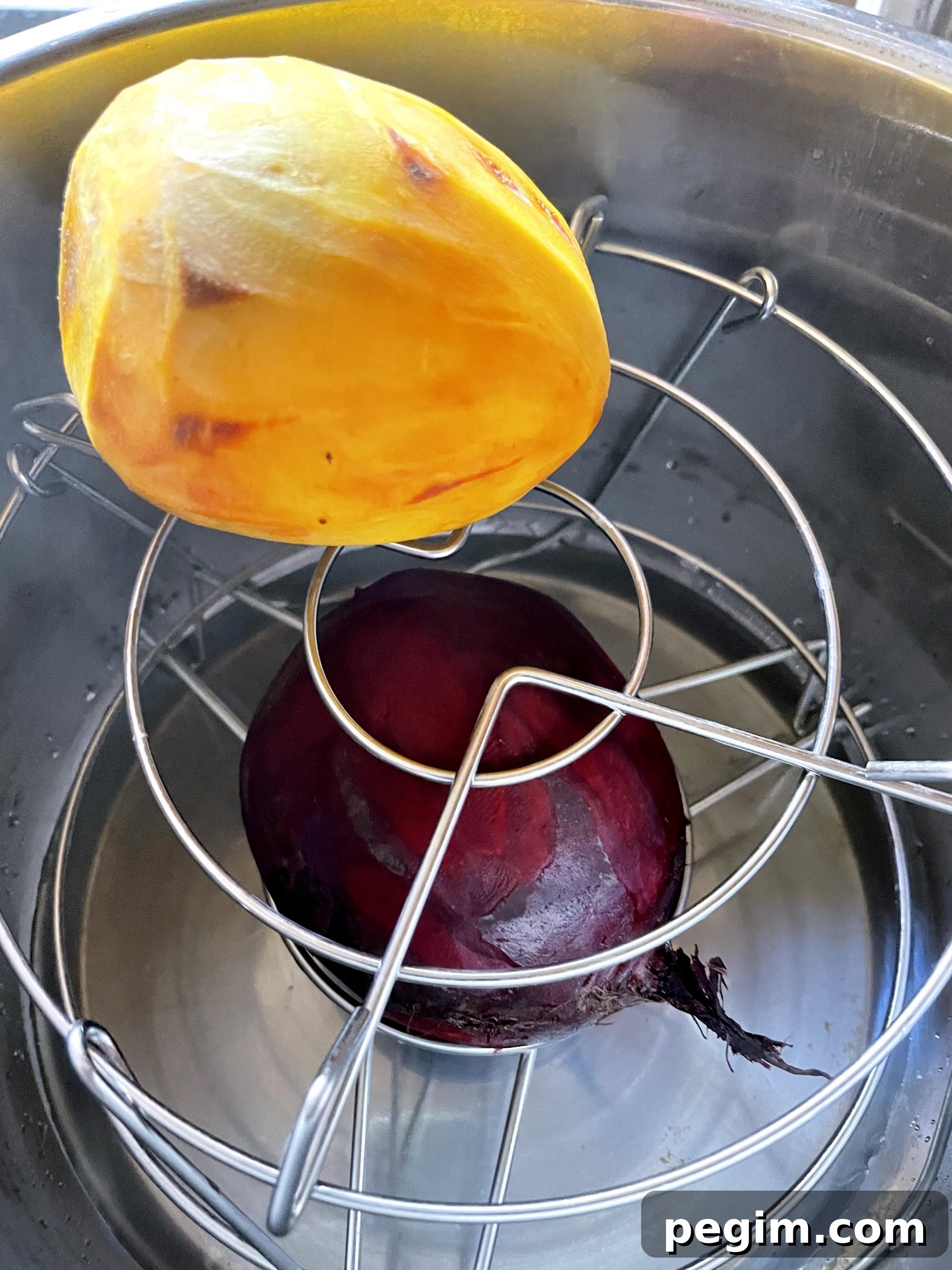
U
Umami
Umami, pronounced “oo-mah-mee,” is a Japanese term meaning “essence of deliciousness.” It describes a savory taste that enhances overall flavor and is recognized as one of the five basic tastes alongside sweet, sour, salty and bitter. Umami can be present naturally in foods or enhanced with ingredients like monosodium glutamate (MSG).
W
Window pane test
The window pane test checks whether dough has developed enough gluten to be shaped, especially useful for enriched doughs with butter, sugar and eggs. Stretch a small piece of dough: if it stretches thin enough to form a translucent “window” without tearing, the gluten is well developed; if it tears, more kneading is needed.
Z
Zest
Zest is the colorful outer layer of citrus fruit used for flavoring. To zest, remove only the colored surface and avoid the bitter white pith beneath, using a zester or fine grater.