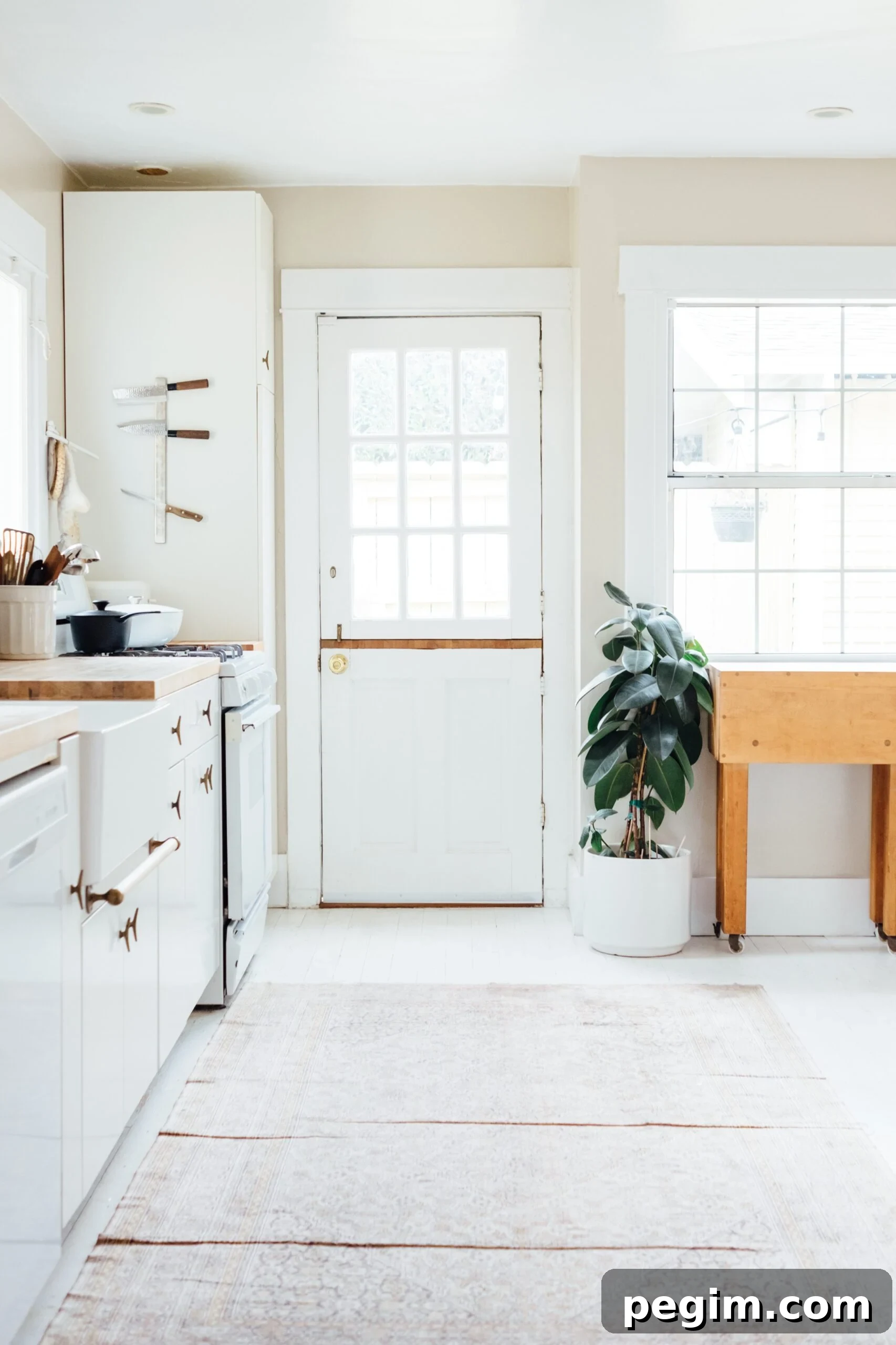
Are you overwhelmed by a cluttered kitchen? If you’re ready to simplify and create a kitchen you enjoy using, this guide shows an approachable, step-by-step way to declutter and organize your space.
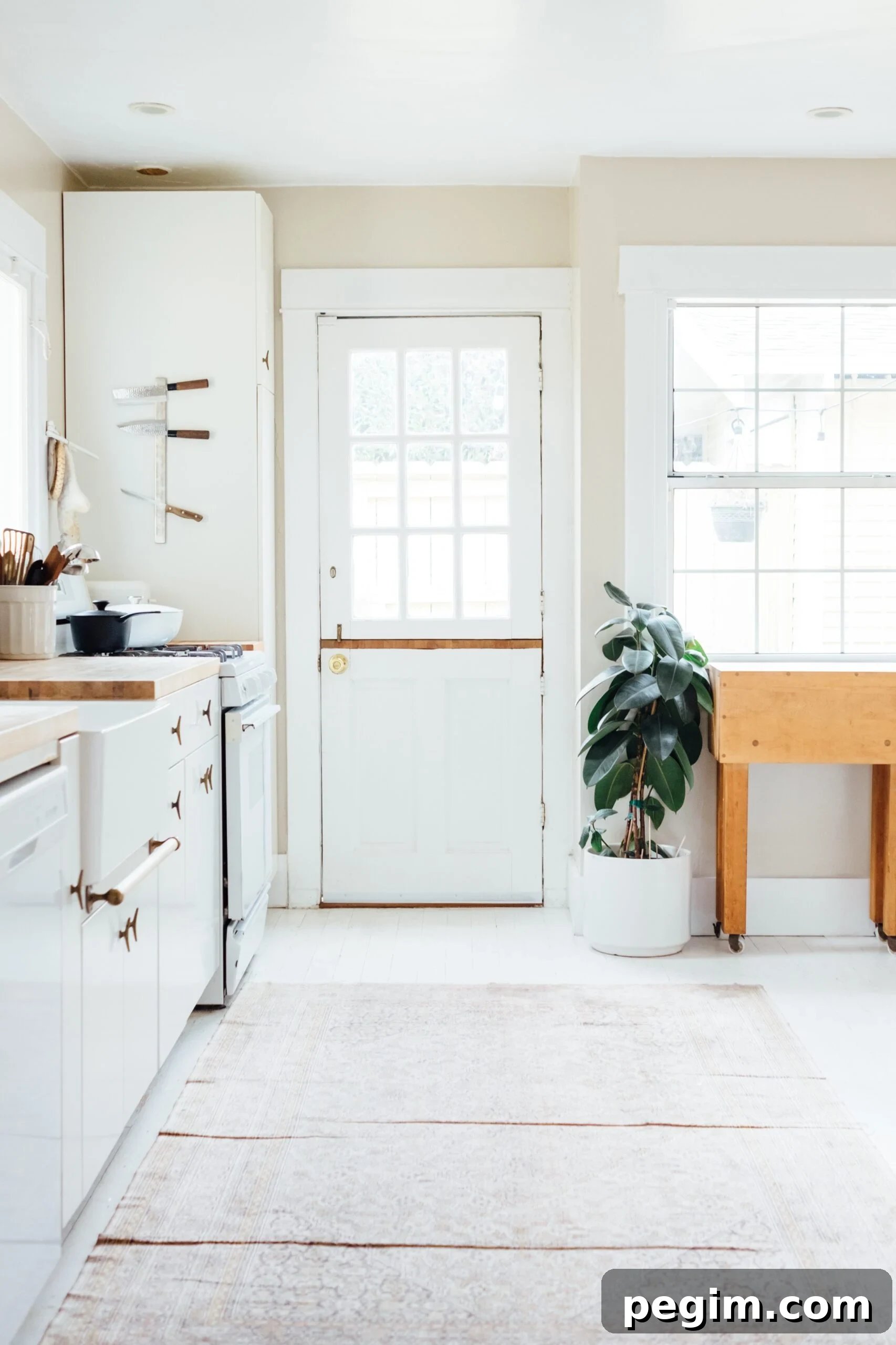
As a busy mom, dietitian, and food content creator, I spend a lot of time in the kitchen. From developing recipes and photographing food for clients to cooking for my family, the kitchen is the most-used room in our home.
Over the years I’ve learned that a simplified, organized kitchen is easier to maintain, makes cooking more enjoyable, and improves how the household runs. My kitchen isn’t always perfect — some days feel chaotic — but simplifying this space has made a real difference.
This guide explains how to declutter your kitchen in a manageable way. You’ll find practical tips for countertops, cabinets, drawers, pantry, fridge, and freezer, plus routines to help you keep the space tidy going forward.
The importance of a clutter-free kitchen
Decluttering your kitchen brings benefits that go beyond neatness. Expect these improvements when you clear the clutter:
- Easier cleaning and safer food prep. A tidy kitchen reduces cross-contamination risk and makes regular cleaning faster.
- Smoother meal planning. When you can see what you already own, you shop smarter and waste less food and money.
- Faster food prep. An organized space means fewer distractions and more efficient workflow.
- More pleasant cooking time. A calm, uncluttered environment can make you enjoy cooking and inspire new recipes.
- Financial savings. Knowing what you have helps avoid duplicate purchases and reduces expired food.
- A functional household command center. The kitchen often serves as the home hub; keeping it organized supports daily routines and lowers stress.
How to Declutter Your Kitchen: A Step-by-Step Guide
Step 1: Assess your kitchen clutter
Start by surveying your space. Note the areas that feel most chaotic and identify the main types of clutter. This assessment helps you prioritize where to focus first and what systems you’ll need going forward.
Ask yourself:
- What kinds of clutter are most common (paper piles, unused gadgets, mismatched containers)?
- Which areas aren’t used efficiently and could be repurposed?
- Could moving items to different locations improve your workflow?
Step 2: Plan & prepare
Create a plan and a checklist to make the project manageable. Break the work into zones and tasks so you can make steady progress and get small wins along the way.
Gather supplies before you start:
- An empty sink for rinsing items
- Boxes for donations
- Trash bags and recycling bins
- A hand vacuum for crumbs in drawers and cabinets
- Cleaning spray or warm soapy water and rags
- Measuring tape for planning organizers
- Your decluttering checklist to stay on track
Sample Kitchen Declutter Checklist
Countertops
- Paper piles
- Items that don’t belong
- Decor
- Cookbooks
- Small appliances
Cabinets, drawers & shelves
- Small appliances
- Water bottles
- Food storage containers
- Cooking tools and utensils
- Mixing bowls and measuring cups
- Cups, glasses and mugs
- Plates and bowls
- Pots and pans
- Bakeware
- Cutlery and cutting boards
- Linens and pot holders
- Cleaning supplies
- Cookbooks
- Junk drawer
Pantry (dry food)
- Baking supplies
- Sweeteners
- Breakfast items
- Nut butters and spreads
- Bread and wraps
- Grains and dried beans
- Pasta
- Snacks
- Dried fruit, nuts, and seeds
- Canned goods and sauces
- Spices and oils
- Tea, coffee, beverages
- Paper goods and special occasion items
Cold food
- Refrigerator
- Freezer
Questions to help you declutter
Use these prompts as you sort items to decide what to keep, donate, or toss:
- When was the last time I used this?
- Does this item make my life significantly easier?
- Do I have something else that does the same job?
- How many do I actually need?
- Am I keeping this for sentimental reasons or “just in case”?
- Would I buy this again today?
- Is it worth the time and effort to maintain or clean?
Step 3: Declutter like a boss
With your checklist ready, begin decluttering. Start with countertops: clearing them makes the kitchen feel instantly calmer and gives you surfaces to sort other items.
Countertops
If countertops are heavily cluttered, work in small zones. Remove items that don’t belong in the kitchen, then tackle paper piles, small appliances, cookbooks, and decor in turn.
Tips for decluttering countertops
- Remove everything that doesn’t belong: bags, jackets, loose items.
- Sort paper into keep, shred, or recycle categories.
- Store or donate small appliances you rarely use; keep only daily essentials on the counter.
- Move decorative items that add cleaning work to other rooms.
- Replace bulky drying racks with dish towels to free up space.
- Give every item a designated home so clutter doesn’t return.
- Consider shelving, hooks, or magnetic strips to reduce countertop items.
Cabinets & drawers
After counters, move to cabinets and drawers. Start with easy categories like water bottles, utensils, or food containers to build momentum.
Tips for decluttering cabinets and drawers
- Work one category at a time: pull everything out and sort.
- Clean shelves and drawers before returning items.
- Donate duplicates and toss broken or mismatched pieces.
- Use drawer dividers, bins, and labels to maintain order.
- Keep like items together so they’re easy to find and return.
Pantry (dry food)
A disorganized pantry leads to wasted food and frustration. Tackle it methodically: remove contents, clean shelves, check expiration dates, consolidate duplicates, and group like items.
Pantry decluttering tips
- Give yourself enough time — a full pantry can take several hours.
- Take everything out to sort and clean the space.
- Dispose of expired items and create a donation box for unopened goods you won’t use.
- Use bins to group categories; clear or labeled bins make items easy to find.
Cold food
Finish with the refrigerator and freezer. Clearing cold storage lets you use pantry items in meals and reduces food waste.
Refrigerator decluttering tips
- Check expiration dates and toss spoiled items.
- Organize zones for produce, dairy, meats, and leftovers.
- Label containers with dates to track freshness.
Step 4: Drop off donations
Schedule a time within a few days to drop off donation boxes. Don’t let them linger in your home — removing items quickly reinforces your progress.
Items in good condition can often be donated to local thrift stores or charitable organizations. For unopened, non-expired food, contact a local food pantry or shelter to confirm donation guidelines.
Step 5: Optimize your organization
After decluttering, set up systems that support how you use the kitchen so it stays organized longer.
Tips for organizing after decluttering
- Store items near where you use them (utensils by the stove, mugs near the coffee station).
- Use drawer organizers and cabinet solutions to maximize space.
- Install pull-out shelves, lid organizers, or lazy Susans to make deep cabinets functional.
- Utilize wall space for magnetic strips, hooks, or wall files to keep counters clear.
- Embrace labeled bins in the pantry and clear containers for frequently used items.
- Make small habits like wiping counters and returning items right away part of your routine.
Tips for maintaining a clutter-free kitchen
Keeping your kitchen tidy is easier with simple, repeatable habits:
- Tidy countertops daily for 5–10 minutes to prevent build-up.
- Always put items away instead of setting them down.
- Avoid buying single-use gadgets; choose versatile tools instead.
- Do mini-declutter sessions when a drawer or bin starts to overflow.
- Say no to freebies that add clutter (free water bottles, samples, or single-use utensils).
Consistent small actions will keep your kitchen functional, calm, and enjoyable to use.
Other minimalist & decluttering resources you might like
- Must-have minimalist kitchen essentials
- How to declutter toys (and keep it that way!)
- How to declutter kids’ books
Decluttering your kitchen may feel like a big job, but with a clear plan and steady effort it’s entirely achievable. Follow these steps, use the checklist, and adopt a few simple routines to transform your kitchen into an efficient, inviting space. Put on your favorite music, grab your checklist, and get started. Happy decluttering!