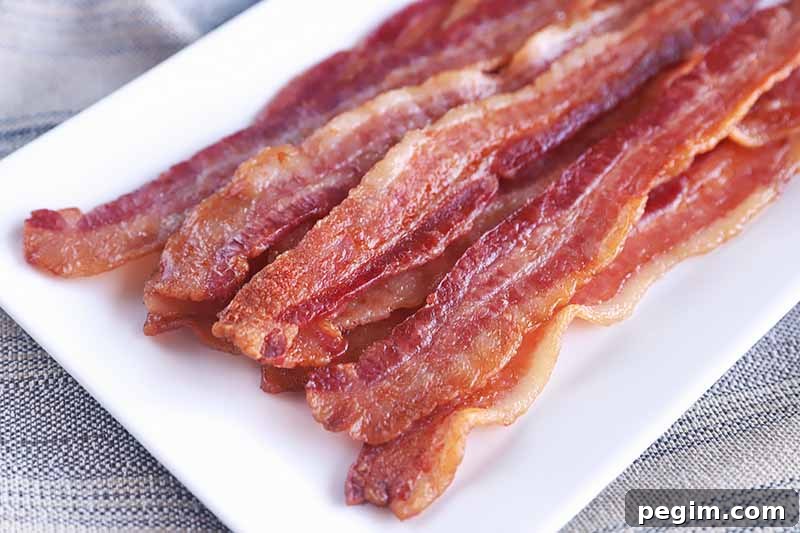
When it comes to cooking bacon, I’m a long-time fan of baking it in the oven.

While there are moments when stovetop cooking makes sense—such as when a recipe calls for it or you only need a couple of slices—oven-baked bacon is, in my opinion, the superior option whenever you have the choice.
I first learned this method in college, back when mornings were often slow and I wanted something simple and satisfying to eat. Before smartphones and endless delivery options, baking bacon in the oven let me avoid standing over a hot pan.
This hands-off method frees you to do other things while the bacon cooks, and it leaves all your burners available, which is perfect for multitasking in the kitchen.
Here are a few practical tips to make sure your bacon comes out right every time.
Here’s what you’ll learn:
What You’ll Learn
- Use a HOT Oven and Lined Pan
- Get Out Your Cooling Rack
- Drain on Paper Towels
- How Can I Use All That Breakfast Meat?
- Save That Fat!
- How to Cook Bacon in the Oven
- Can I Store Cooked Bacon for Later?
Use a HOT Oven and Lined Pan
Preheat your oven to 400°F. A hot oven helps the bacon brown and crisp evenly.
Line a rimmed baking sheet with aluminum foil or parchment paper for easy cleanup. A silicone baking mat also works, though it’s one more item to wash.
Get Out Your Cooling Rack
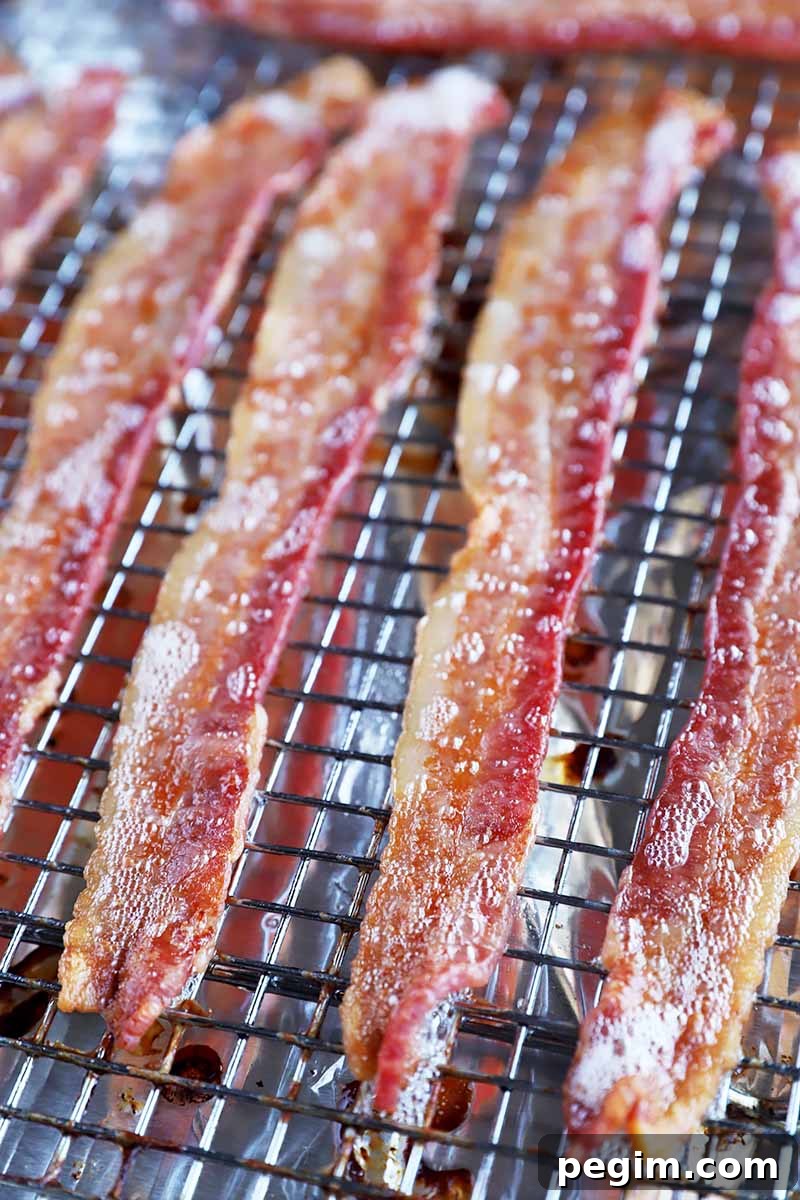
If you prefer crispy strips, elevate the bacon on an uncoated metal cooling rack set inside the lined baking sheet. This lets air circulate under the slices so they crisp on all sides instead of sitting in rendered fat.
If you like chewier bacon, you can skip the rack and bake the slices directly on the lined sheet—both methods work, it’s a matter of personal preference.
Drain on Paper Towels
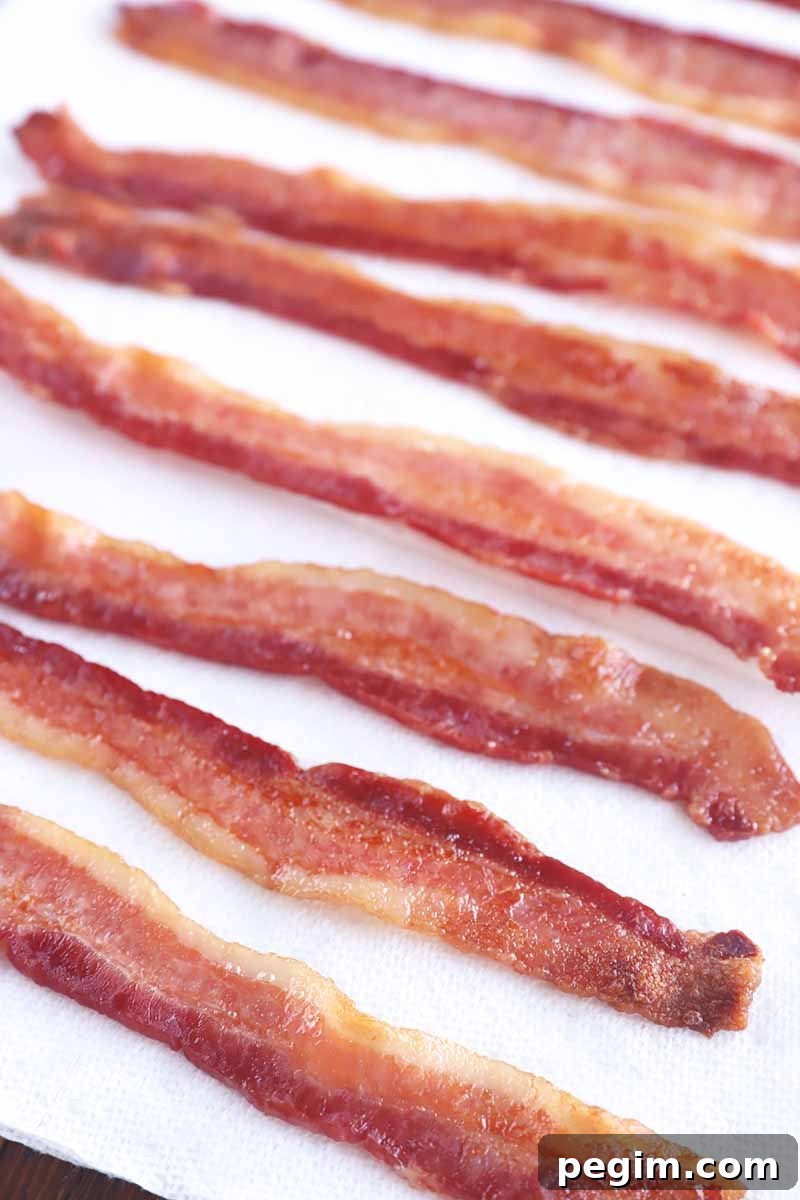
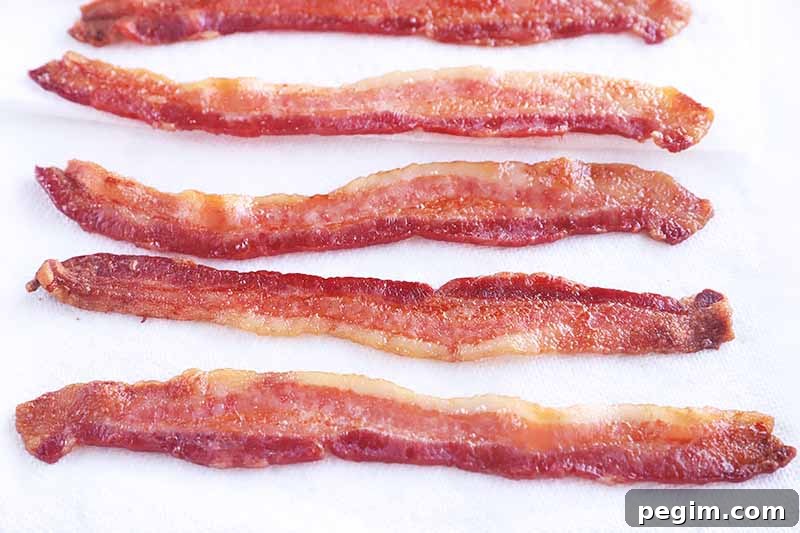
When the bacon is done, transfer the slices to a paper towel-lined plate or baking sheet to drain. This step removes excess grease so the bacon isn’t overly oily when served.
How Can I Use All That Breakfast Meat?
Of course, bacon is excellent served straight from the oven with breakfast or brunch and is an efficient way to cook enough for a crowd.
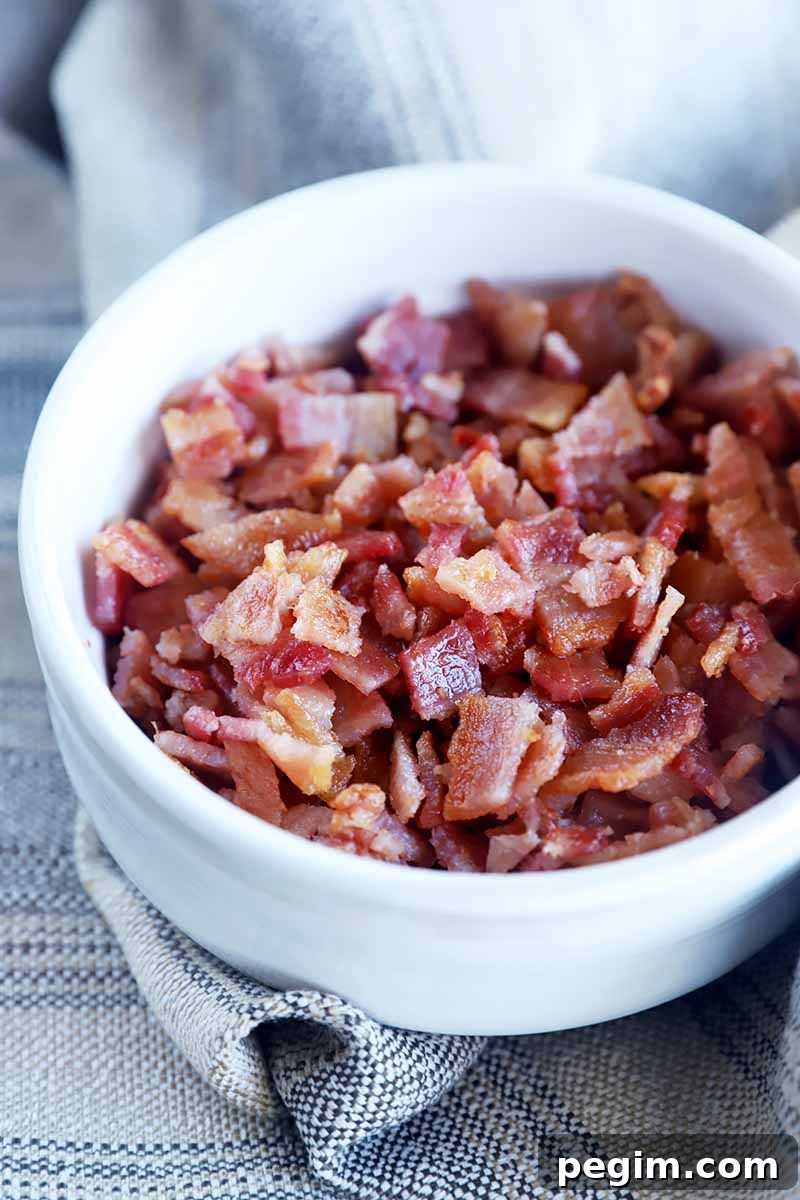
Once cooled and drained, crumble or chop bacon to top salads, folded into pasta dishes, stirred into mac and cheese, sprinkled on green beans or casseroles, or used to elevate breadcrumbs. Crumbled bacon is also a great finishing touch for baked potatoes.
It’s versatile and stores well, so you can prepare extra for recipes throughout the week. And if you have dogs, a small, well-chopped piece can be an occasional treat.
Save That Fat!
Rendered bacon fat is a useful cooking fat that adds flavor to many dishes. After cooking, let the pan fat cool slightly, then carefully pour it into a heatproof glass container. Once fully cooled, cover and refrigerate. Properly stored, it will keep for months.
Use bacon fat for frying or roasting vegetables, searing chicken, or whisking into a warm salad dressing for extra depth of flavor.
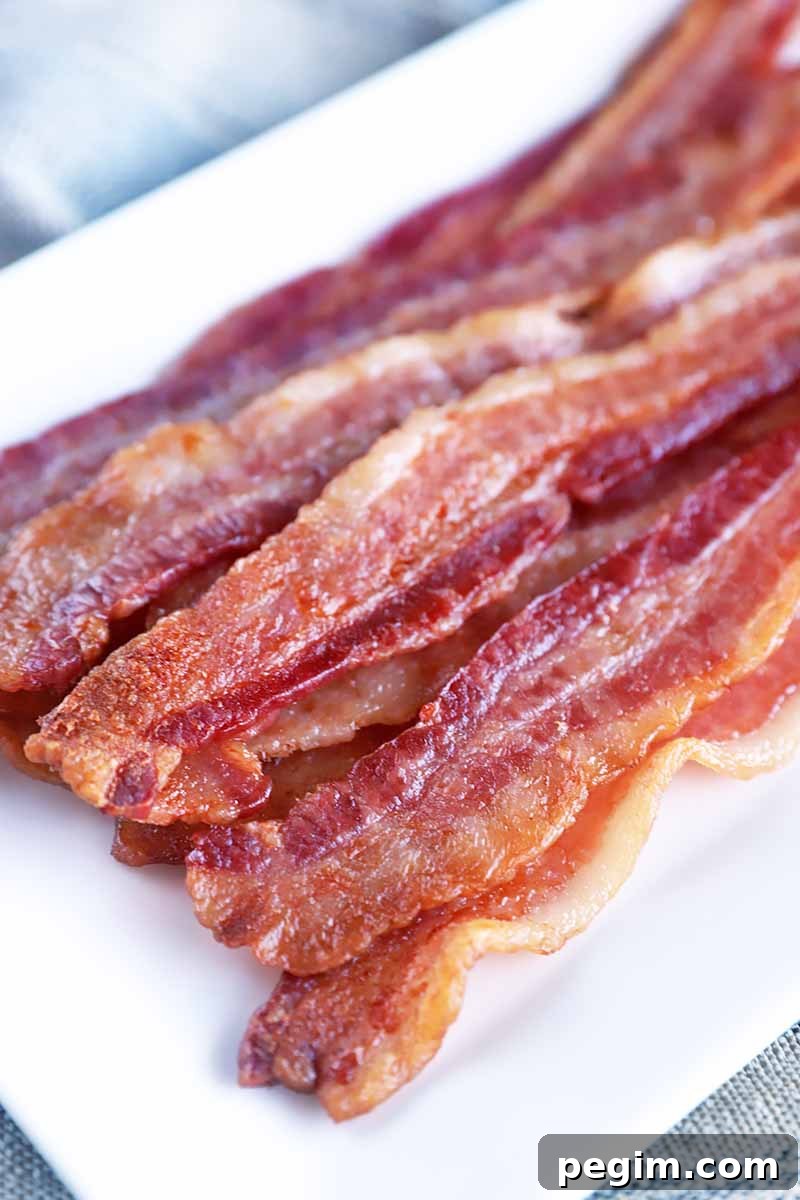
How to Cook Bacon in the Oven
Baking bacon in the oven is simple and reliable: consistent heat yields evenly cooked slices without constant attention.
Step 1 – Measure and Prepare Bacon
You’ll need 12 slices of bacon for this batch (adjust quantity to suit your needs). Preheat the oven to 400°F.
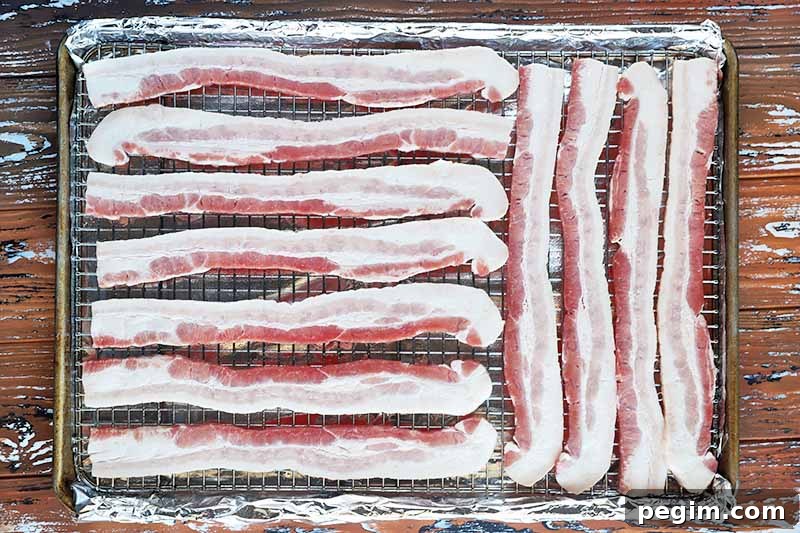
Line a rimmed baking sheet with foil or parchment. Place an uncoated metal cooling rack inside and spray it lightly with cooking spray. Arrange the bacon in a single layer on the rack without overlapping.
Step 2 – Bake
Place the baking sheet on the middle rack and bake. Regular-cut bacon typically takes about 15 minutes; thick-cut may take around 18 minutes. Because ovens and bacon thickness vary, start checking for doneness near 13 minutes to prevent overcooking.
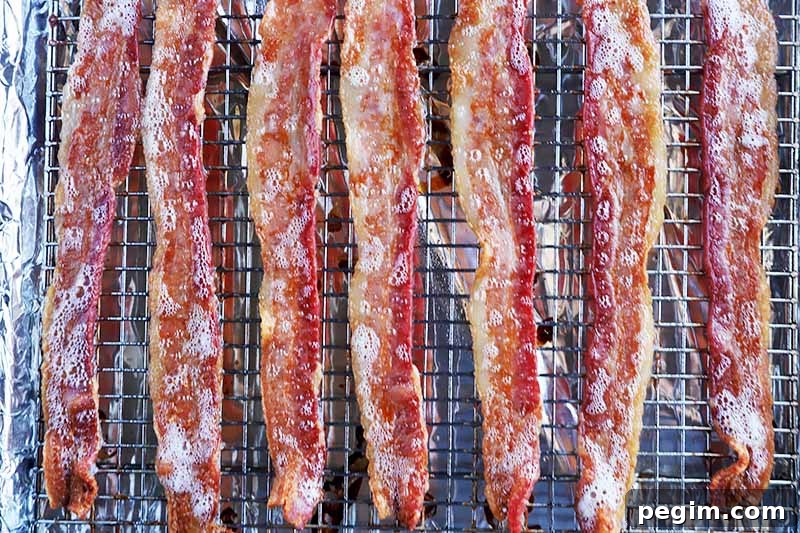
Familiarize yourself with your oven’s temperature quirks and hot spots so you can adjust times or rack positions as needed.
Step 3 – Drain
Remove the bacon from the oven and transfer it to a paper towel-lined plate or baking sheet to drain. Serve warm, or let cool and chop for recipes.
Can I Store Cooked Bacon for Later?
Cooked bacon stores well and is handy to have ready. After cooling completely, place slices in a resealable plastic bag or airtight container and refrigerate for up to five days. Reheat gently in a skillet, oven, or microwave when needed.
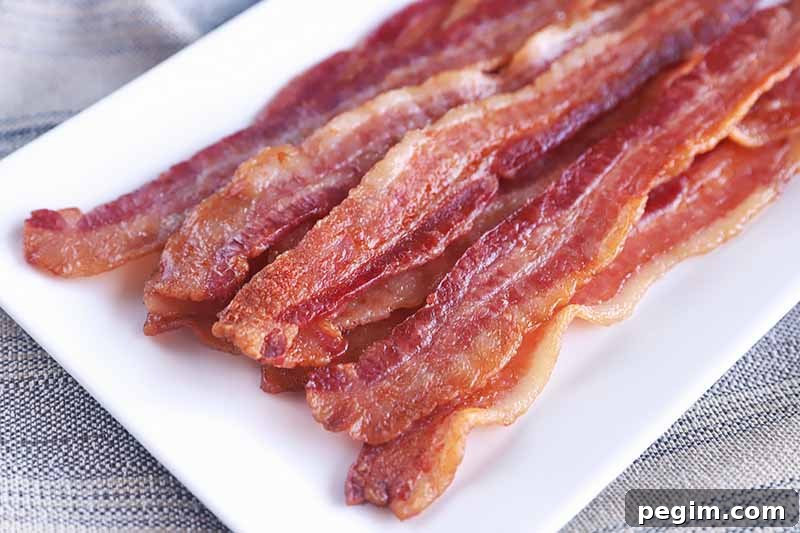
Will you serve your bacon for breakfast or fold it into a recipe? Either way, oven-baked bacon is an easy, low-effort approach that delivers crispy, delicious results with minimal cleanup.
Photos by Meghan Yager, © Ask the Experts, LLC. ALL RIGHTS RESERVED.