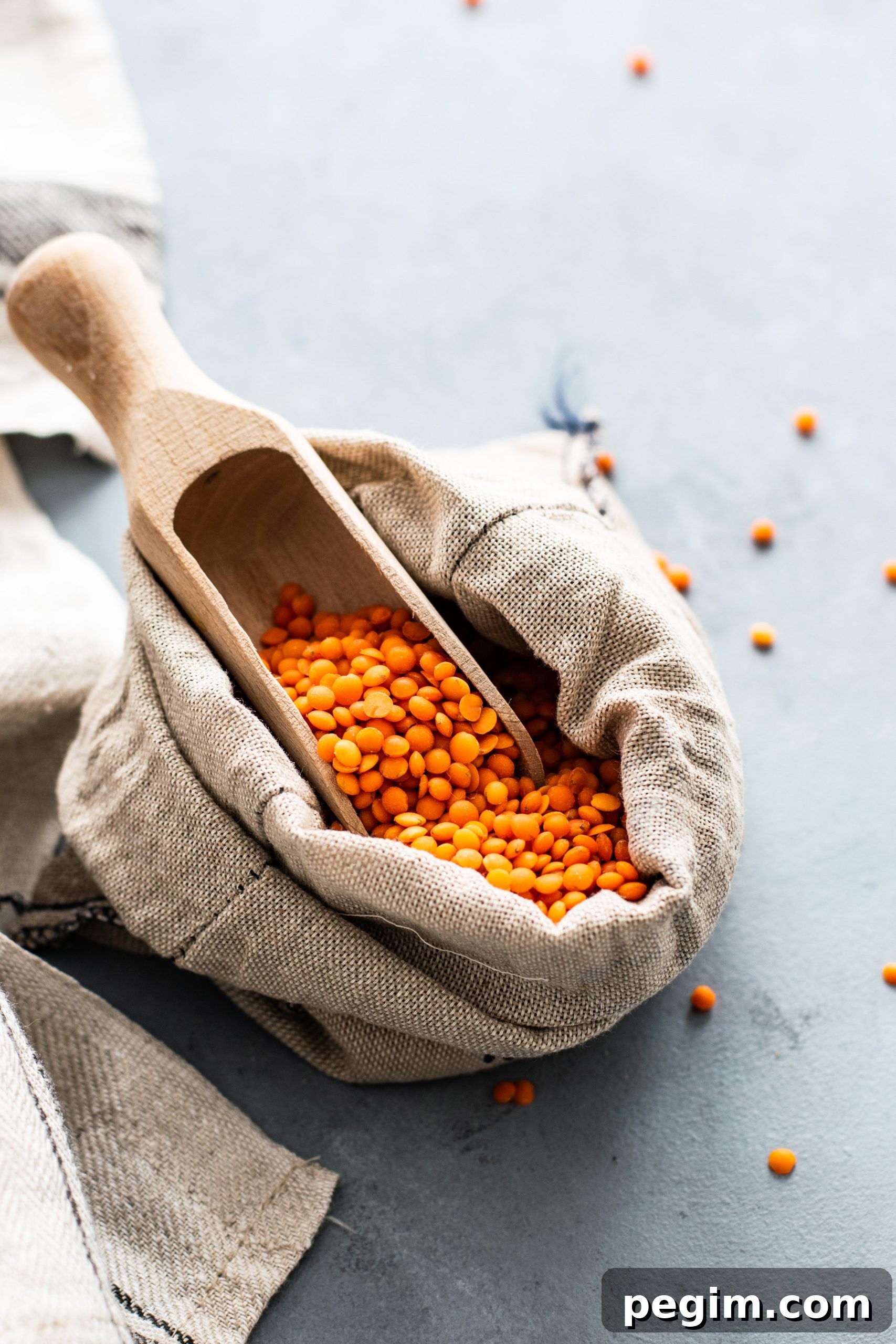
Your guide to prepping legumes & lentils
Legumes, when prepared correctly, can be an excellent plant-based protein
“Suggesting that we shouldn’t eat cooked legumes because raw legumes cause disease is like saying that we shouldn’t eat cooked chicken because we can get Salmonella from eating raw chicken.” – Chris Kresser
Preparing lentils and legumes is easier than you think
For clarity, this guide will refer to legumes and lentils simply as “beans”
Beans are a nutritious and versatile component of a balanced diet, offering substantial plant-based protein when they are prepared properly. However, their natural composition can make them harder to digest for some people and can reduce mineral absorption because of compounds like phytic acid, which bind minerals in the digestive tract.
Applying a few simple techniques can significantly improve digestibility and nutrient availability.
Storage
Choose dried beans over canned when possible to avoid excess sodium, additives, and can linings. Dried beans require a bit more planning but are economical and typically healthier. Store dried beans in an airtight container and use them within six months. After that time many varieties can become unusually hard and resistant to cooking.
Choose the right beans
Some varieties are gentler on the digestive system. If you are sensitive, start with adzuki beans, red lentils, mung beans, chickpeas, and split peas. Lima beans, navy beans, and soybeans tend to be tougher to digest and may be best avoided until you know how your body responds.
Preparation
Always rinse canned or soaked beans thoroughly before cooking. If you use dried beans, soaking is recommended.
Simple soaking method:
- Use about a 4:1 ratio of water to beans.
- Soak for 10–24 hours in warm water, keeping them covered.
- Add an acid to the soak—lemon juice or apple cider vinegar works well; use about 2 tablespoons of acid per 1 cup of beans.
- After soaking, drain and rinse the beans, then cook according to your recipe.
A practical guideline is “bigger beans need more time.” For convenience, set beans to soak overnight and cook them the next day. Even a plain overnight soak in water is better than skipping soaking entirely.
Cooking spices
Certain spices commonly used in Eastern cuisines can help with bean digestion and add flavor. Consider adding cumin, fennel, ginger, turmeric, or asafoetida while cooking beans. These spices not only enhance taste but may also ease digestion for many people.