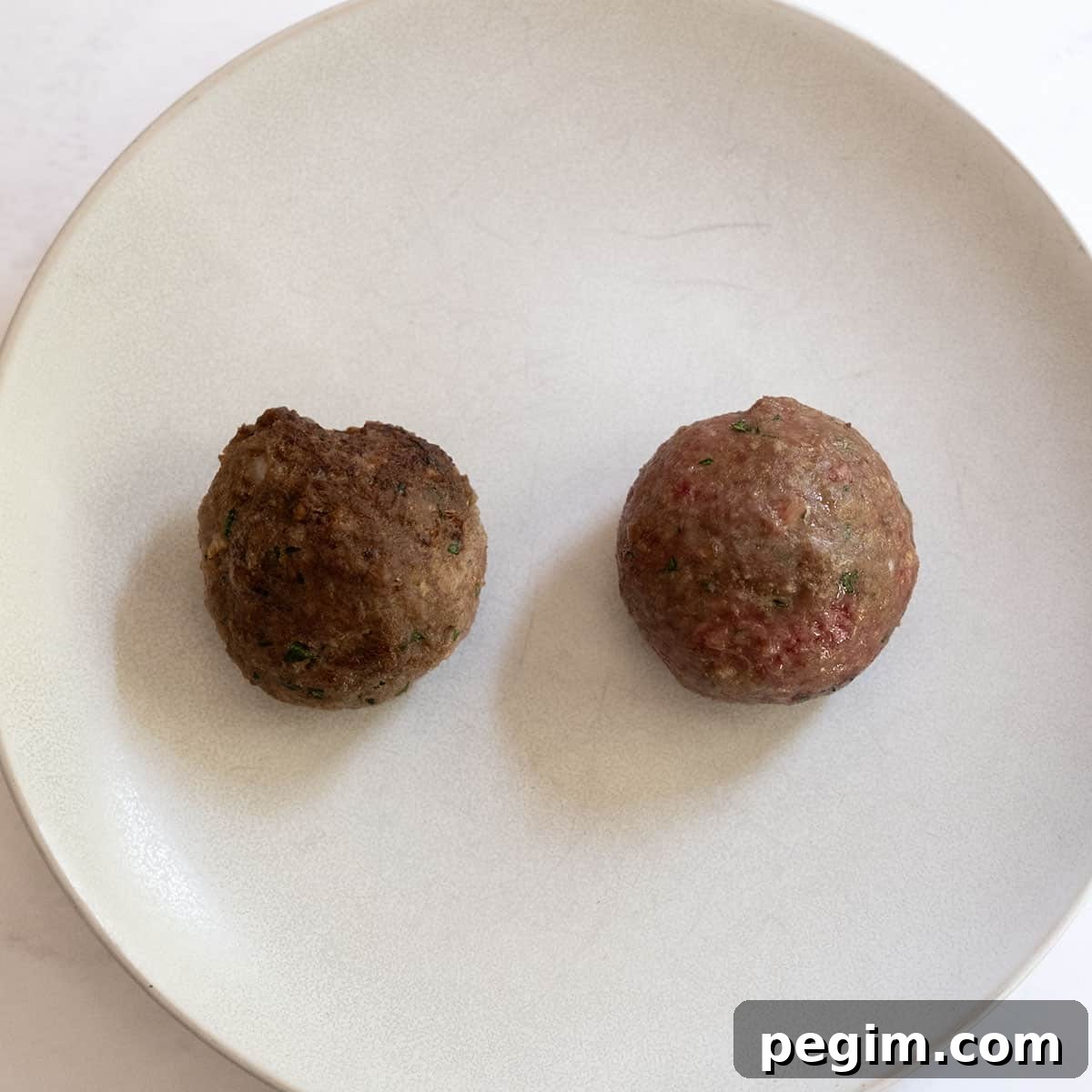
Deciding whether to bake or fry your meatballs? Both methods produce delicious results, but each has different benefits depending on what you want: less fat, faster prep for a crowd, a specific texture, or whether you plan to finish the meatballs by braising them in sauce.
- Do you want less fat in your meatballs?
- Are you cooking for a group?
- Do you prefer a specific texture or taste?
- Will you finish the meatballs by braising them in sauce?
There isn’t one definitive answer. Some people prefer the deeper flavor of pan-fried meatballs, while others favor the tender, uniform texture of baked ones. Personal preference and the situation—how many you’re making, how much hands-on time you have, and how you’ll finish them—will determine which method is right.
Bake or Fry?
Both methods work well. Pan-frying produces a brown, flavorful crust and creates fond (brown bits) in the pan that can enrich a sauce. Baking yields softer exteriors and makes it easy to cook large batches without tending a skillet. I personally prefer the flavor that frying brings, but I grew up with baked meatballs because it was more convenient for feeding a family. Below are the key differences to help you choose.
Texture
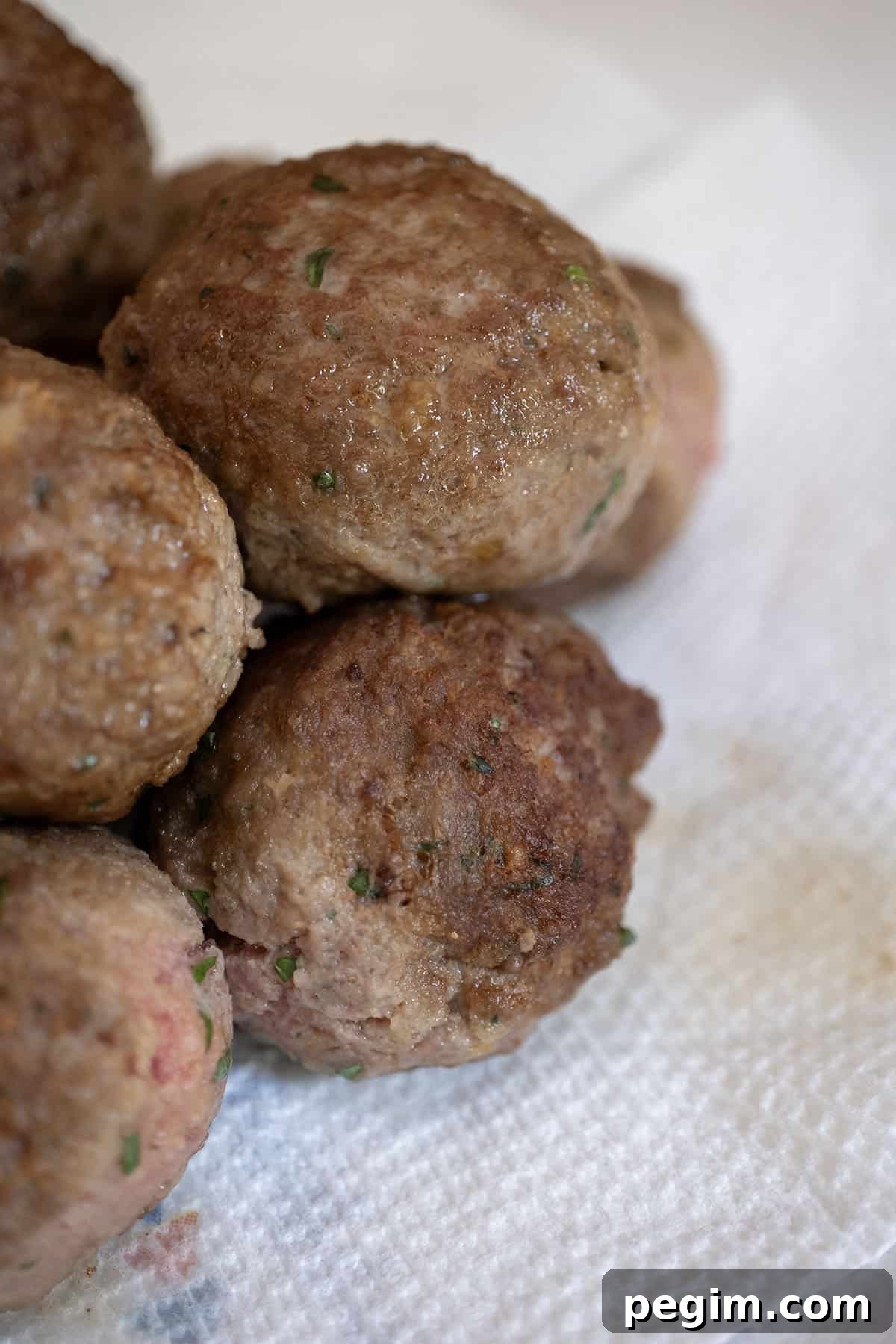
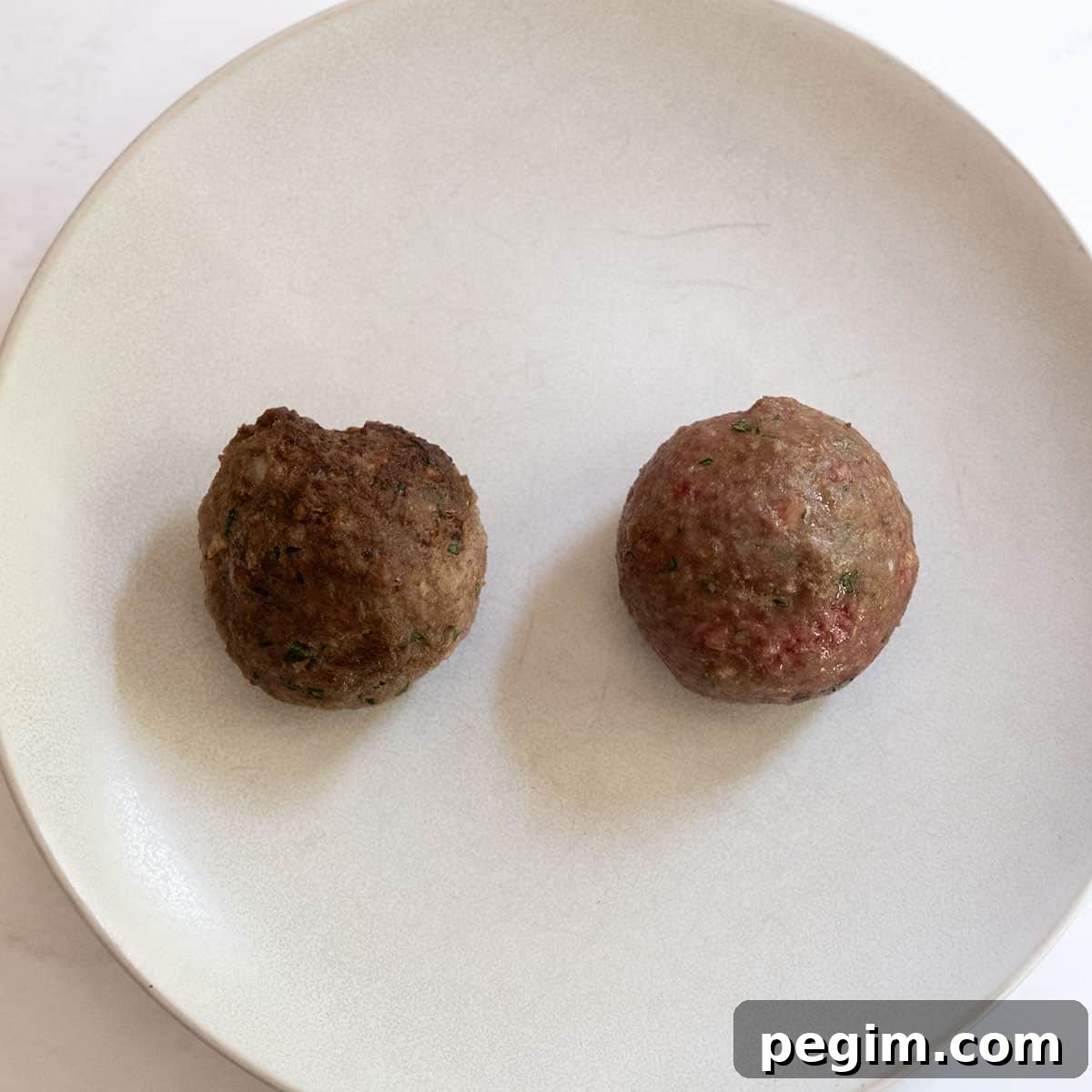
Panfried meatballs develop a crisp, brown crust. That crust intensifies flavor and leaves brown bits in the pan that can be incorporated into a sauce for extra depth.
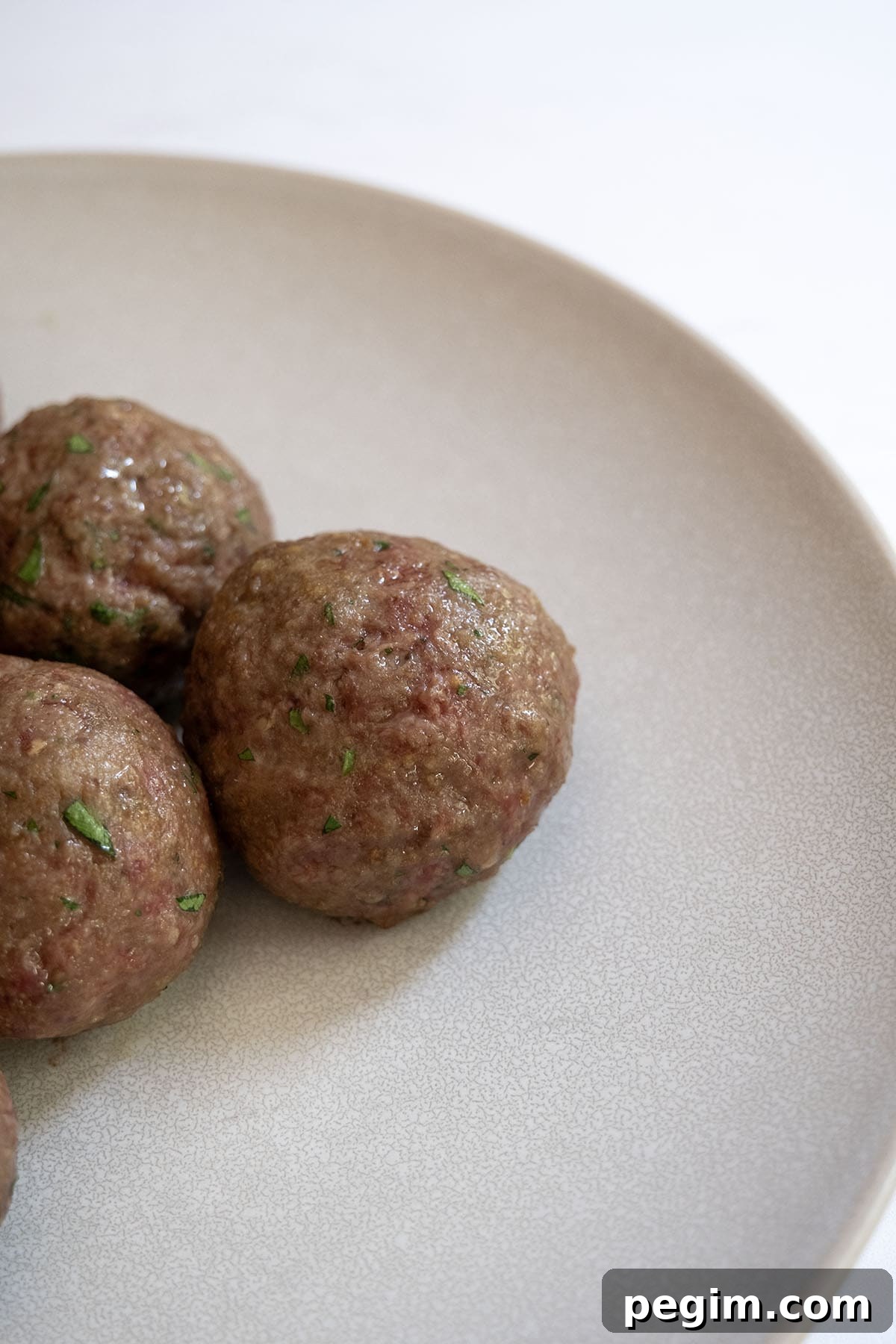
Baked meatballs don’t form a crust and have a softer, more even exterior. They may show a faint pinkish tint before they are fully cooked or if they are only par-baked.
Fried meatballs typically have a slightly crunchy exterior with a tender interior, while baked meatballs remain consistently soft. If you simmer either type in sauce, both will soften further, though baked meatballs usually stay the softest and can almost melt in your mouth—something many people enjoy.
Taste
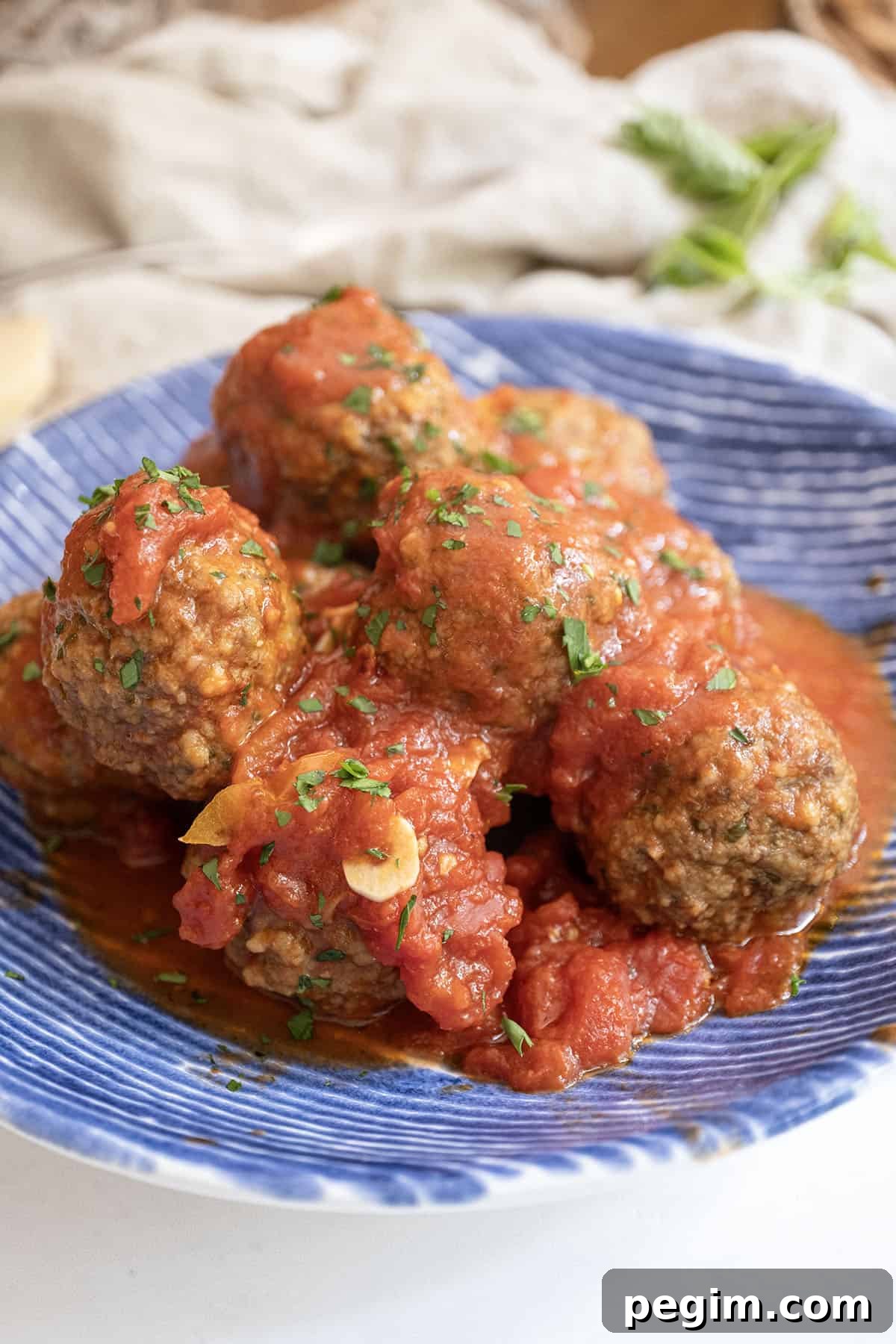
When all other ingredients are the same, fried meatballs usually taste better. Searing creates the Maillard reaction, which forms new, more complex flavor compounds and a richer aroma. That extra browning gives fried meatballs a more intense flavor compared with baked ones. If flavor is your top priority, frying wins.
Fat Content
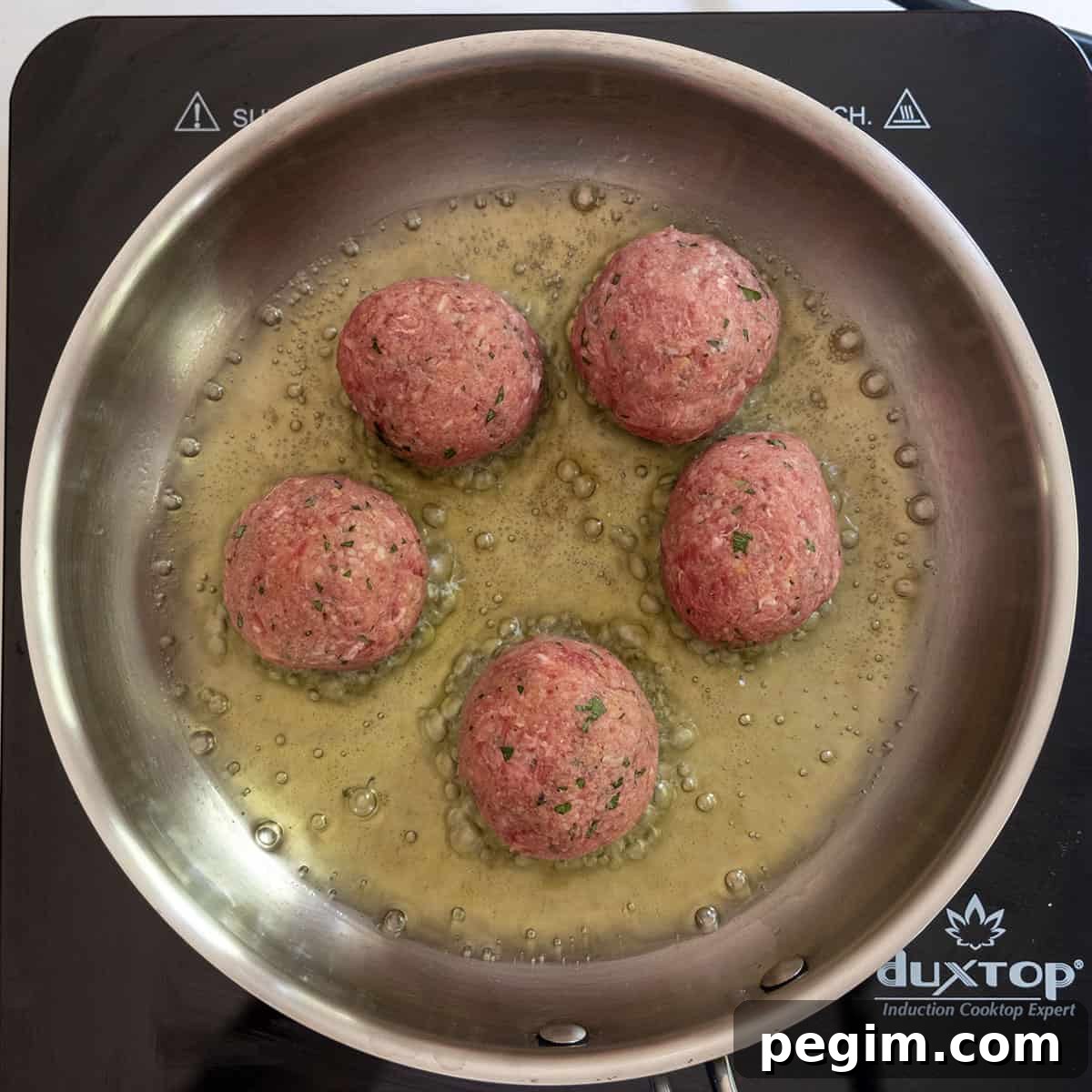
If you want lower fat content, baking is the better option. Frying leads to some oil absorption, increasing the final fat content. While oils like olive oil are not inherently unhealthy in moderation, baking reduces added fat and is the simpler choice for a leaner result.
How Many Meatballs Do You Need?
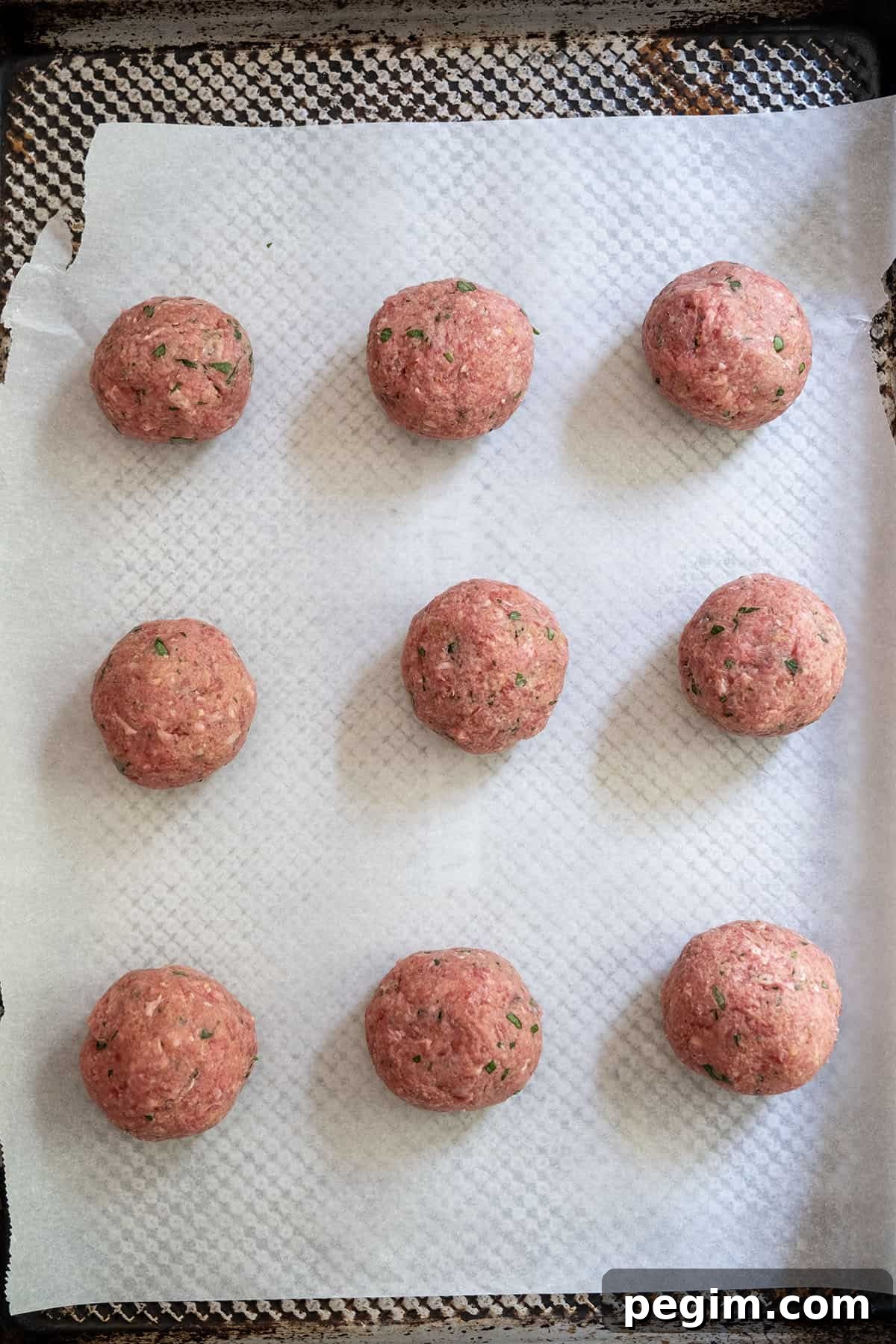
For large groups or holiday meals, baking is usually the practical choice. You can cook many meatballs at once on baking sheets without standing at the stove, saving time and burner space. For small batches—like a meatball sub or a casual dinner for one or two—pan-frying delivers superior flavor and can be done quickly in a single skillet.
Baking and Frying FAQs
Fry meatballs in olive oil in a stainless steel or cast-iron pan, turning to brown each side. If you plan to finish them in sauce, you can par-fry them and let the sauce finish the cooking.
When baking, a common temperature is 350°F (175°C) for about 15–20 minutes, but always check internal temperature for doneness.
If frying to finish on the stove, cook about 2 minutes per side for smaller meatballs, then verify they reach a safe internal temperature. If par-frying to finish in sauce, sear briefly before transferring to simmering sauce.
Par-fry for roughly 3–4 minutes total, turning every 30 seconds to a minute, then transfer to sauce to finish cooking.
Bake meatballs at 350°F (175°C) for about 15–20 minutes, and check that they reach a safe internal temperature before serving.