The Republic of Korea, commonly called South Korea, traces its name to ancient kingdoms such as Goguryeo and Koryo. Koreans often call their country Hanguk or simply Han, and the historic poetic name Choson is still used in many contexts. Over time the modern spelling “Korea” appeared in European travel accounts; the spelling variations and political history helped shape the name used internationally today.
Following Japan’s surrender in 1945, the Korean Peninsula became divided, and the term “South Korea” entered common Western usage. Since the Korean War, South Korea has followed a dramatically different path from the North. From the 1960s through the 1990s the country experienced rapid industrialization and economic expansion known as the “Miracle on the Han River,” transforming it into a global economic power.
Today South Korea ranks among the world’s top exporters and importers. It recovered from the Asian financial crisis of the late 1990s and weathered the 2008 global downturn with relative resilience and low unemployment. Home to major multinational corporations such as Samsung, Hyundai and Kia, the country is known for advanced technology, extensive transport networks and high-speed rail.
Because its only land border is with North Korea, South Korea functions in many ways like an island nation. The country has unique local systems, such as a taxi service where vehicle color indicates the level of service: basic taxis are often gray or white, while black cars signal a luxury option with more experienced drivers.
Shopping is a national pastime. South Koreans are among the world’s biggest users of credit cards, and many malls and shopping districts stay open late into the night. Long working hours are common—averaging above many other developed nations—and social life often includes dining and drinking. Soju, a distilled rice spirit, has been the world’s best-selling liquor for many years. Despite high alcohol consumption in some statistics, South Korea scores highly on international education and cognitive metrics.
Religion in South Korea is diverse: Christianity and Buddhism are widely practiced, and large congregations gather at prominent churches. Christmas is an official holiday, celebrated alongside uniquely Korean customs. Many social traditions revolve around family and ritual: for example, brides often wear red for good fortune, and birthdays have special foods and meanings tied to family history.
Popular culture, known as Hallyu or “the Korean Wave,” has spread globally through K-pop, K-dramas and Korean cuisine. Social media and streaming platforms have amplified this cultural export, making Korean entertainment and food widely recognized across the world.
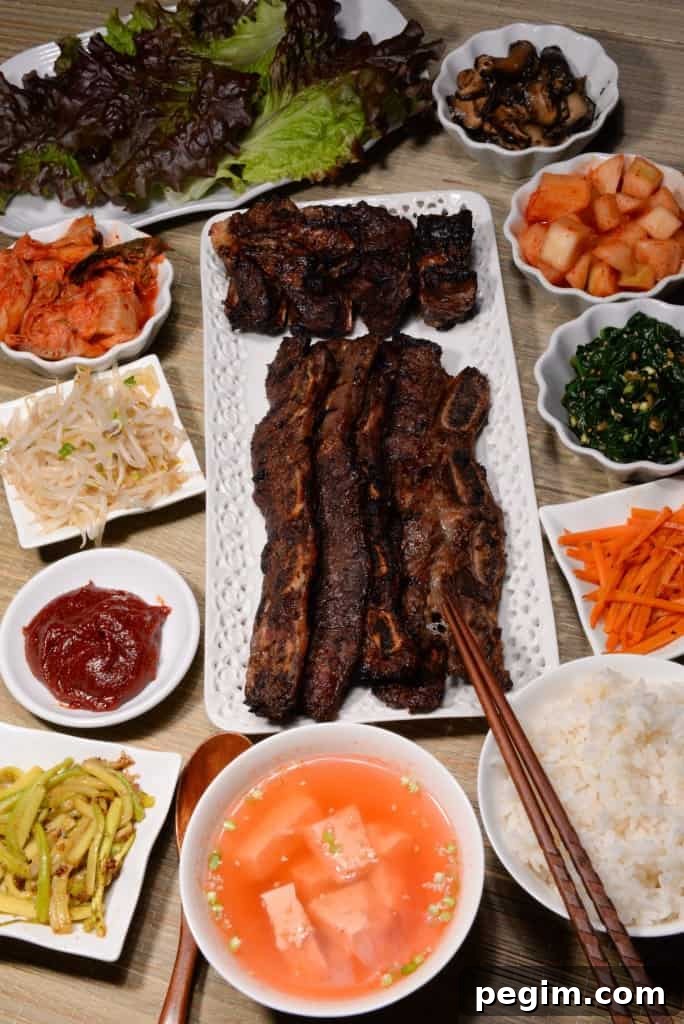
South Korean cuisine reflects agricultural traditions, regional specialties and modern influences. Royal court cuisine historically combined regional dishes into elaborate feasts, and its legacy still influences fine dining. A defining feature of everyday meals is banchan—an array of small side dishes served alongside rice and a main course. Meals commonly include a soup or stew, grilled meats, and many vegetable-based sides.
Kimchi, a fermented vegetable dish, is the national staple. Made with napa cabbage, radish, scallions or cucumbers and seasoned with garlic, chili and salt, kimchi comes in hundreds of variations. Traditionally stored in earthenware jars to ferment through the seasons, kimchi is rich in vitamins and probiotics and is served with nearly every meal.
Other essential ingredients include sesame oil and seeds, doenjang (fermented soybean paste), gochujang (fermented chili paste), soy sauce, garlic, ginger, green onions, and Korean red pepper flakes. Sprouts, seaweed, cabbage, radish and sweet potatoes are common staples. The relatively small quantities of meat in typical meals, combined with abundant vegetables, contribute to South Korea’s low obesity rates.
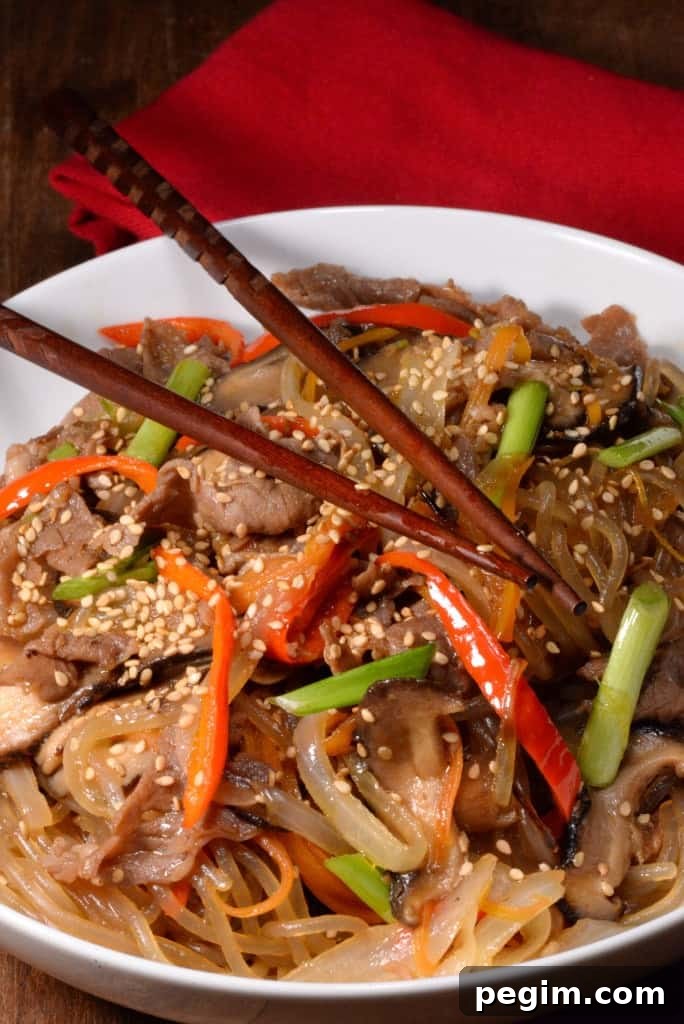
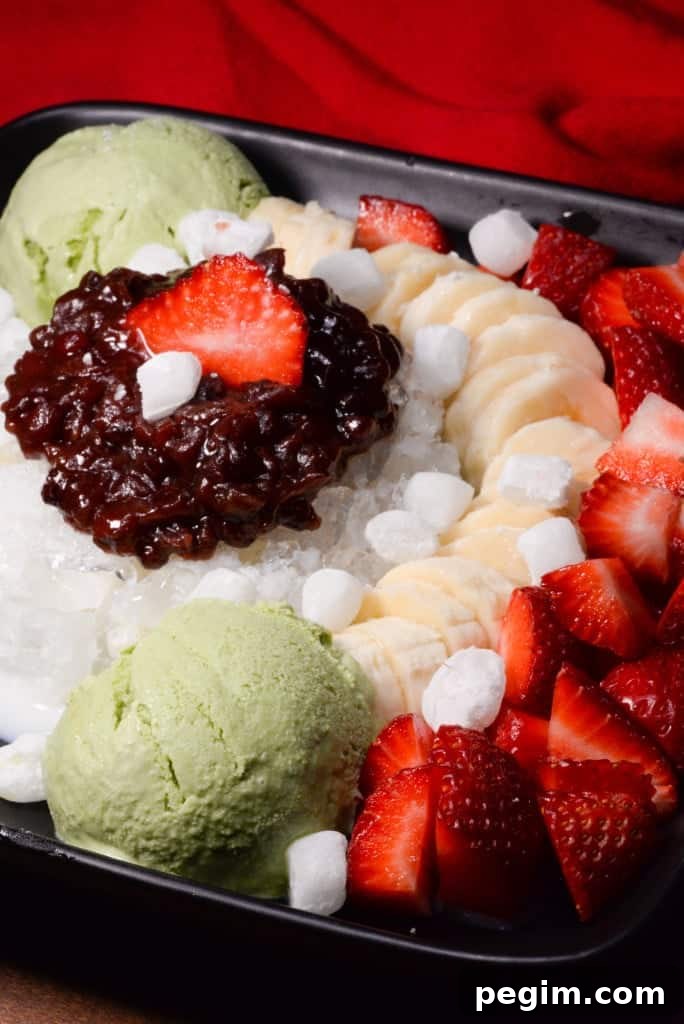
To illustrate this cuisine, a representative menu might begin with kimchi jjigae (kimchi stew) served with rice and a variety of banchan, followed by galbi (Korean grilled short ribs) and japchae (stir-fried sweet potato glass noodles with vegetables and meat). For dessert, patbingsu—a shaved ice treat topped with sweetened condensed milk, red beans, fruit and ice cream—is a refreshing finish.
The Menu
Soup
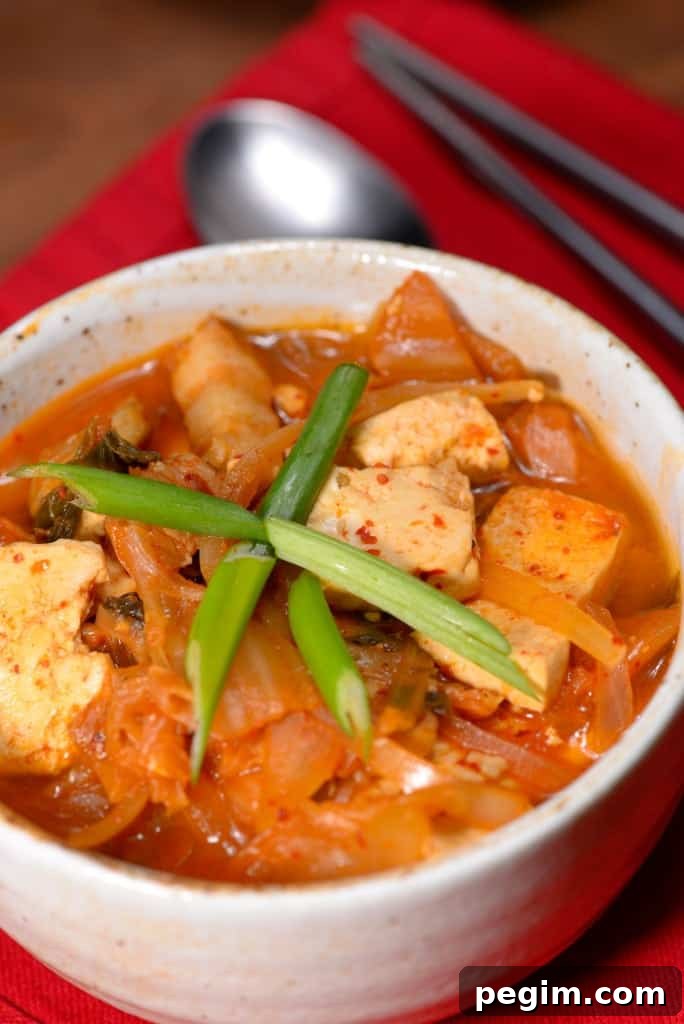
Kimchi Jjigae (Kimchi Stew)
Served with
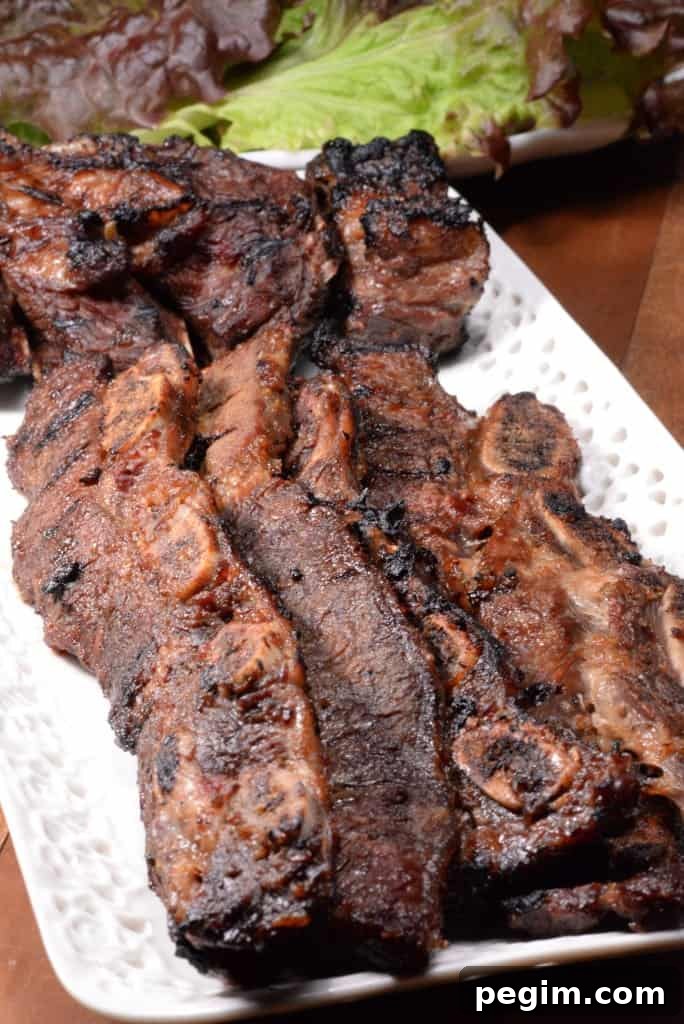
Galbi (Korean BBQ)

Banchan (Side Dishes)
Japchae (Sweet Potato Noodle Dish)
Dessert
Patbingsu (Shaved Ice with Fruit and Sweet Bean)
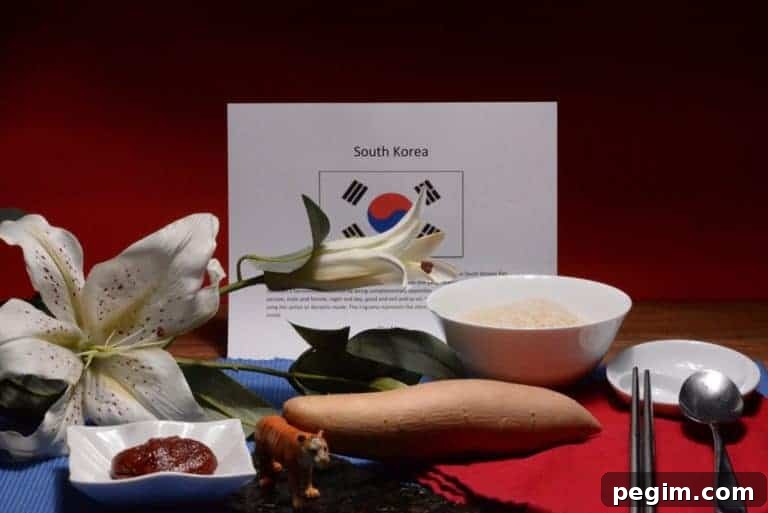
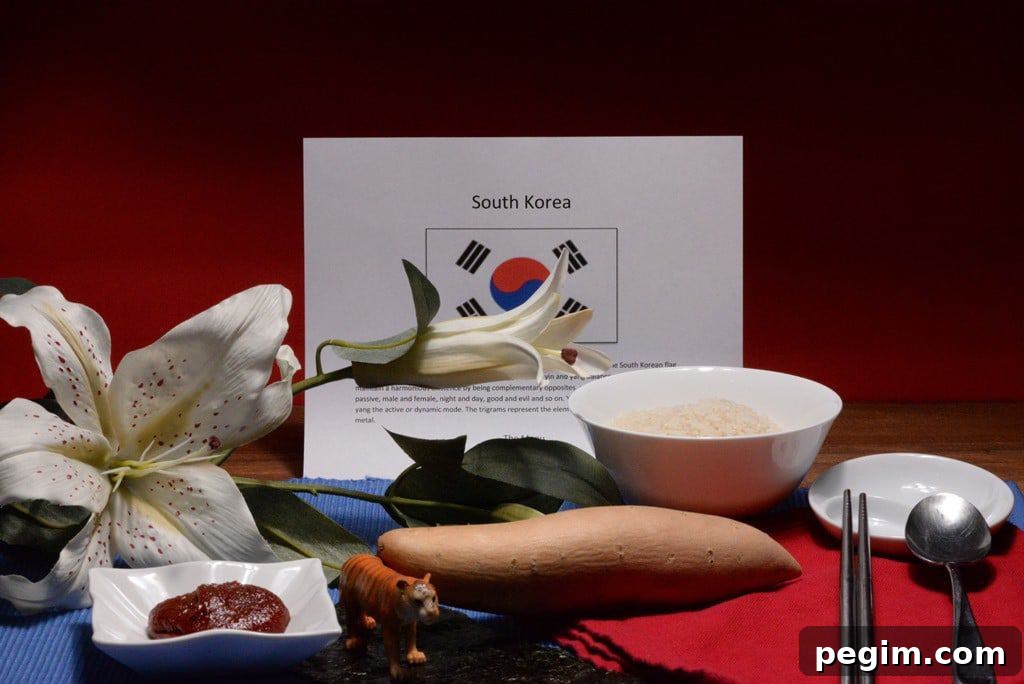
For a traditional table setting we used the red, white and blue colors of the Korean flag and displayed symbols such as the taeguk and the hibiscus, the national flower. Korean dining often happens at low tables; shoes are removed at the door and etiquette matters. Chopsticks and a spoon are the standard utensils. Elders are served first, and toasting and pouring for companions plays an important social role—pouring your own drink is often considered impolite.
Kimchi jjigae, a spicy stew made with fermented kimchi, tofu, mushrooms and sometimes pork, is a comforting starter and is always paired with rice. Galbi features short ribs marinated in a savory-sweet mixture including soy sauce, garlic and Asian pear, which helps tenderize the meat. Banchan such as seasoned spinach, mung bean sprouts, sautéed mushrooms, various kimchi styles and seasoned seaweed add texture, color and balance to the meal.
Japchae—glass noodles made from sweet potato starch—combines individually cooked vegetables and meat with a subtly sweet and savory sauce. It can be served as a side or a main. Preparing authentic Korean food often involves separate preparation of each component to ensure proper texture and seasoning, which adds time but yields rewarding results.
Patbingsu provides a light, sweet finish: shaved ice with condensed milk, sweet red beans, fruit, green tea ice cream and chewy rice cake pieces. It showcases Korean flavors in a playful dessert.
Beyond food, South Korea has a strong martial arts tradition; Taekwondo, meaning “the way of the foot and fist,” is both a national sport and a popular practice for fitness and self-defense.
Lunch (bonus)
Bibimbap (Mixed Rice with Vegetables and Egg)
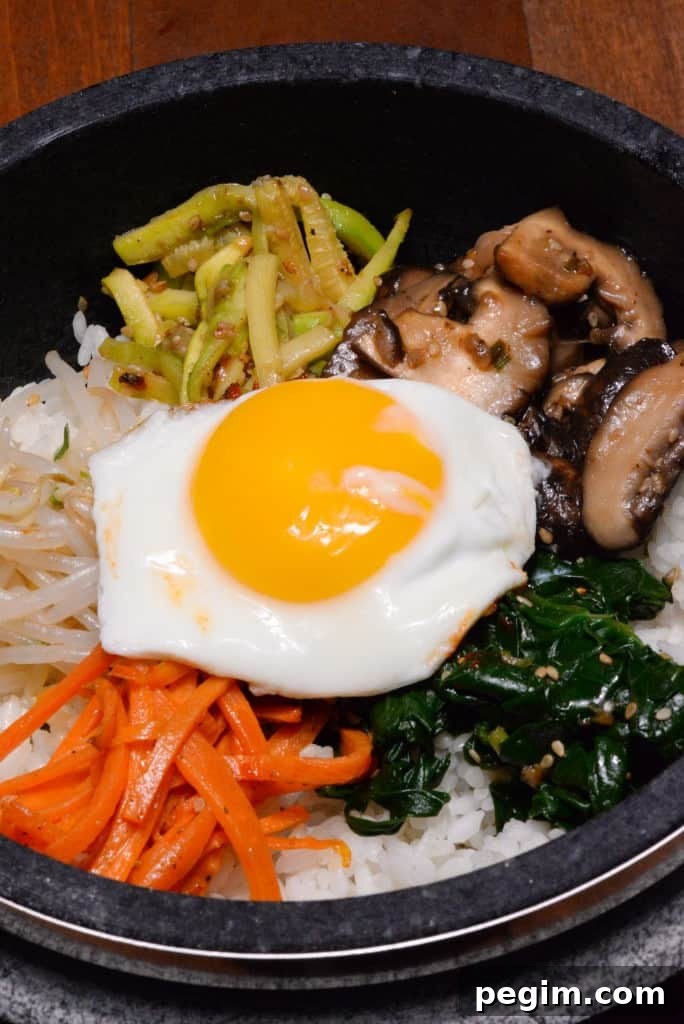
Bibimbap is a versatile favorite: hot rice topped with an assortment of seasoned vegetables, a fried egg, and sometimes meat, often served in a sizzling stone pot to create a crisp layer of rice at the bottom. Mixed with gochujang, it becomes a satisfying, balanced meal.
When taking photos in Korea, locals say “Kimchi” instead of “Cheese” to get smiles. And a fitting proverb to close with: “Go-saeng gguet-eh nake eun da” — at the end of hardship comes happiness. This proverb resonates well after the effort of preparing many small dishes for a memorable Korean feast.
Have you tried a Korean meal with banchan?
Warmest regards,
Darlene