Looking to get your kids in the kitchen but not sure what tasks they can do?
Need recipe ideas with simple steps kids can help with?
Wondering how to do this with gluten-free recipes?
Look no further – here are 15 ways little kids can help cook in the kitchen.

Kids in the kitchen can be challenging. Sometimes you just need to get dinner on the table and the pitter-patter of little feet near the oven can feel stressful. Still, when time and patience allow, involving kids in cooking is worth it.
I try to have my children help when we have a relaxed day. Not every weeknight, but often when there’s a little extra time. I’ve heard from many parents who want their kids to learn about food and try new things, and that’s one of my goals as a parent.
I didn’t learn much about food growing up besides liking it. Now that I enjoy cooking as an adult, I want my kids to start learning earlier. Below I share the top 15 ways little kids (roughly ages 4 to 6) can help in the kitchen. These tasks also work for older children; older kids will simply need less supervision and can take on more advanced chores.
Below are practical tasks little kids can do, with recipe examples I’ve used when involving my children.
Full disclosure: my kids rarely complete an entire recipe on their own. They often get bored or want to do too much, so I usually give them one or two tasks. The goal is participation and learning, not perfection.
Read on to see simple, supervised ways little kids can help cook.
15 Ways Little Kids Can Help Cook
1. Planning. Before assigning tasks, include kids in meal planning. Flip through cookbooks, browse recipes, and discuss what they’d like to eat. For dinners we choose one or two easy meals like burgers or tuna melts, a slow cooker meal, and fill the rest of the week based on what feels right.
2. Pouring. Pouring liquids into bowls or pans is an easy starter task. It builds hand-eye coordination and responsibility; just choose a controlled spot so spills are limited.
3. Peeling. With close supervision, a child can help peel vegetables. I often guide their hands as they hold the peeler and the vegetable, letting them do a swipe or two so they feel involved without risking injury.

4. Mashing. Kids love mashing things. Banana bread is perfect for this: give them a masher and a shallow container to make the job easier and more satisfying.
5. Measuring. Measuring ingredients is a great way to practice numbers and motor skills. Baking recipes often involve several measured ingredients, so kids can take turns scooping flour or leveling a spoonful.
6. Rinsing. Rinsing fruits and vegetables is simple and useful. It’s also an opportunity to explain why we wash produce to remove dirt and other residues before eating.
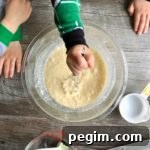
7. Whisking. Many kids enjoy using a whisk. Whisking pancake batter or other mixtures is fun and tactile—start slow to avoid splatter, and keep a close eye on where the whisk goes when you’re done.
8. Whipping. With an electric mixer or a stand mixer, kids can help whip cream or batters. Begin the mixing yourself at a low speed, then let them turn the dial or hold the mixer with your guidance to avoid splashes.

9. Squeezing. Fresh citrus squeezing is satisfying for kids because the result is immediate. Little hands may need help to extract all the juice, but they’ll enjoy the hands-on action.
10. Stirring. Stirring sauces or mixtures can be done in turns and is a good job for kids when supervised carefully, especially with hot foods. Slow, gentle stirring reduces splashing and keeps everyone safe.
11. Seasoning. Sprinkling salt, herbs, or spices is like sprinkling glitter—kids love it. Teach them to use “just a pinch” and to mix the seasoning into the food so they learn balance and moderation.
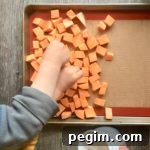
12. Spiralizing. Spiralizing vegetables can delight kids because it looks like making veggie noodles. Use caution around blades and supervise closely, but let them feed the vegetable into the spiralizer when safe.
13. Shaking. Shaking a salad spinner to remove water or shaking a jar with dressing are fun, quick tasks. Both are sensory and give a clear cause-and-effect result kids enjoy.
14. Chopping. Chopping is strictly supervised and mainly an introduction to knife safety. I hold my child’s hands while they make a couple of controlled cuts and always reinforce that knives are only for use with a parent present.
15. Cleaning. Cleanup is part of the job. Kids who help cook can also help clear counters and load the dishwasher. As they grow, they can rinse dishes using a step stool. Teaching cleanup builds responsibility and completes the cooking cycle.
I hope this list of 15 ways little kids can help cook is helpful. If you try any of these with your children, note what worked for you and adapt tasks to match their interest and ability.
Pin this List of 15 Ways Little Kids Can Help Cook for Later!

One last thing – if you try any of these activities, consider sharing which tasks your kids enjoyed most. Hearing what works for other families is always helpful.