
You’re out to dinner with friends and notice their salads are light while your creamy pasta is rich and heavy.
You start mentally comparing calories and feel a pang of guilt. You tell yourself you’ll eat less.
When the plate arrives you take a small portion and bring the rest home, claiming you’re full.
But your body tells a different story. Later at home you realize you missed much of the conversation at dinner because your thoughts were consumed by food. “Why does it always feel like this?” you wonder. It can feel like food has control over you.
If this rings true, it’s worth examining your relationship with food.
Hello, I’m Miranda, a Registered Dietitian in Ontario, Canada. My own history began with a Weight Watchers “success” story: quick weight loss, poor digestion, and a strained relationship with food. Over time I found balance and now help women avoid the same mistakes.
Letting go of the guilt tied to eating may seem impossible, but it’s achievable. Below I’ll explain common sources of food-related stress and practical ways to change how you think about eating.

What influences your relationship with food?
Many factors shape how we think about food and make choices—many of them aren’t related to health.
An unhealthy relationship with food often shows up as feelings of shame or guilt after:
- Eating foods you consider “bad”
- Constantly focusing on the latest diet or supplement
- Overly restricting what you eat
- Regularly eating past fullness
When food feels like a constant preoccupation, it’s usually a learned pattern. The good news is you can change it with support and practice.
Unhealthy food habits can start early. Were you part of the “clean plate club”? That lesson—to never waste food—can teach you to finish meals even when you’re full. Or maybe diet culture taught you certain foods are forbidden, which only increases desire for them. Think about a child whose toy is taken away; they usually want it more. The same happens when you tell yourself, “I can’t eat that.”
Fixation on off-limits foods, compulsive dieting, or rigid rules around eating all create guilt—whether you’re overeating or restricting. Below are six signs your relationship with food might need attention.

Six signs of an unhealthy relationship with food
These signs can appear in different combinations. You may relate to only one or two, or many. If some resonate, it may be time to make a change.
Intense cravings
Cravings can feel urgent and overwhelming. They may be constant or appear at certain times, and often have underlying causes. Cravings can create a sense of loss of control and lead to guilt when you eat foods you think you shouldn’t.
Restricting yourself tightly
Some restriction is normal if your goal is weight loss—you must be in a modest calorie deficit to lose weight. But unhealthy restriction looks like anxiety about exact calories or macros, rigid portion rules, or ignoring true hunger because a number must be met. If you routinely feel starved, it’s time to reassess your approach: slow, sustainable changes are more effective than severe restriction.
Eating past fullness often
Eating past comfortable fullness can come from early conditioning, emotional eating, poor sleep, or not eating enough nutrient-dense food. If a bowl of chips becomes a whole bag, you might question whether your hunger and fullness cues are reliable. With practice and the right strategies, you can retrain those cues.
Always looking for the next diet
Chasing the newest diet or supplement keeps you stuck in a cycle of hope and disappointment. Diets can feel like a quick fix, but they rarely produce lasting results. Consistency and sensible habits lead to long-term change.
Exercising as punishment after eating
Exercise is beneficial for mood, stress, and health, but it shouldn’t be used as penance for eating. If you feel compelled to “earn” activity after a treat, reframing your relationship with food can help you enjoy movement rather than viewing it as a necessary penalty.
Emotional eating
Food is tied to emotion—celebrations and comfort are natural—but turning to food to cope regularly can become a harmful habit. If emotional eating leaves you feeling worse, it’s a sign your relationship with food may need care. It’s rarely about willpower; understanding triggers and learning alternatives helps a lot.
What does a healthy relationship with food look like?
A healthy relationship with food balances physical and mental well-being. You don’t compare your plate to others or feel guilty for choosing a different option. You can eat without constant calculations about how many calories you’ll have to burn later, and you don’t deny yourself when you’re truly hungry to meet a strict number.
Flexibility is key: if you have an unplanned cookie, you don’t view it as failure. Instead, you accept balance and moderation as part of life. Choices stem from self-care rather than self-criticism. It’s fine to pursue weight or aesthetic goals, but not at the expense of your health or quality of life.
How can I improve my relationship with food?
Here are six practical steps to create a calmer, healthier relationship with food.
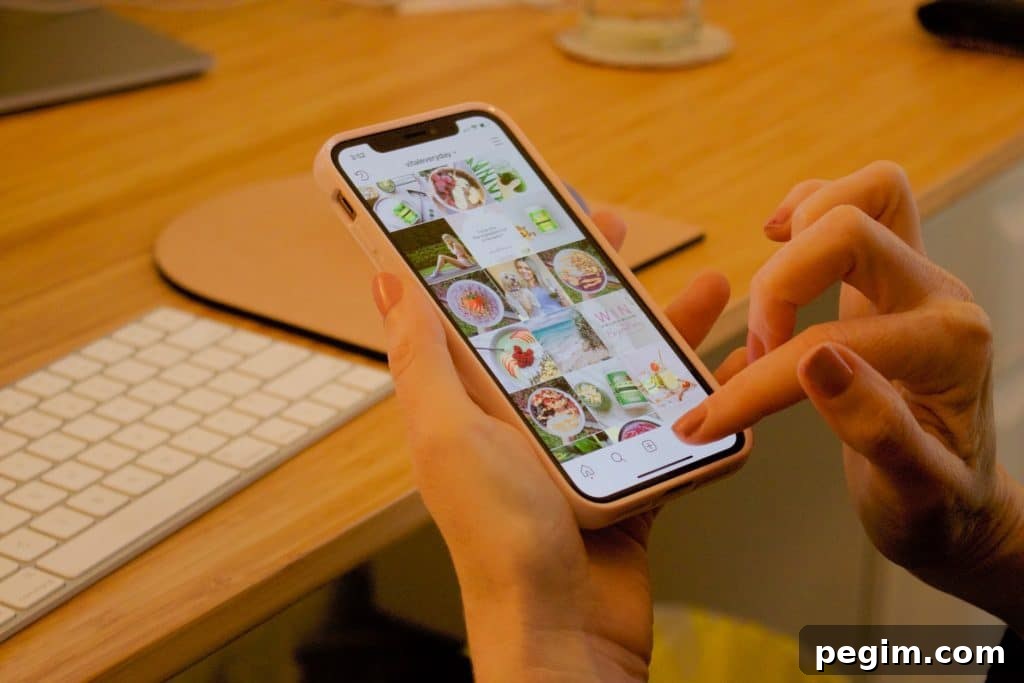
Curate your social feed
We spend a lot of time on social media and the content we consume affects how we feel about food and our bodies. Unfollow accounts that promote shame or fear around eating and follow creators who support balanced, evidence-based approaches. Removing triggering content reduces pressure and helps you focus on real nourishment.
Practice mindfulness
Mindful eating means being present: notice texture, aroma, flavor changes, and how the food makes you feel. Slow down and savor your meals as if you’re trying them for the first time. Replace calorie-focused thoughts with observations about taste and satisfaction.
Focus on balanced meals instead of dieting
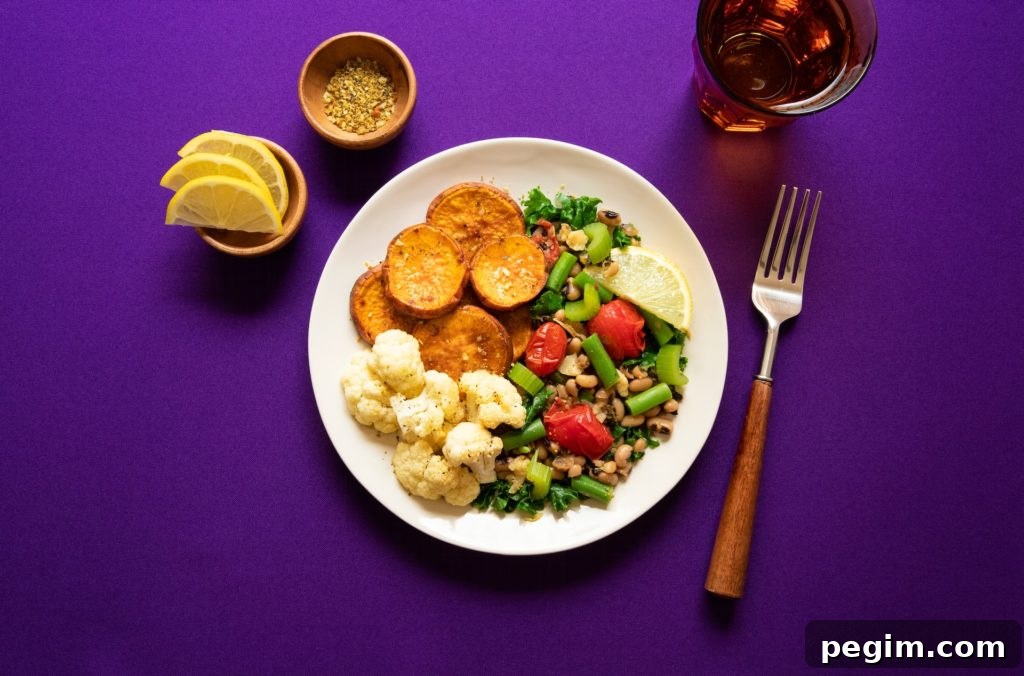
Planning meals that satisfy both physically and emotionally helps prevent extreme hunger and impulsive choices. Aim for balanced plates that include protein, fiber-rich carbohydrates, healthy fats, and vegetables to support satiety and steady energy.
Build “fun” foods into your routine
Allowing yourself enjoyable foods regularly removes the notion of forbidden items. Whether it’s chips with a sandwich or a small dessert, planning treats reduces the urge to overindulge and helps normalize those foods.
Get curious about triggers
When negative feelings arise around eating, pause and ask why. Are you truly hungry or seeking comfort? Is your meal lacking satisfaction? Curiosity, not criticism, helps you identify patterns and make practical changes. It’s rarely about willpower—there’s usually an underlying reason.
Find supportive people
Recovering a healthy relationship with food is easier with others who understand. Seek friends, groups, or communities that promote balanced habits and discourage dieting culture. Being supported reduces isolation and helps you stay consistent.
Important note
This content is informational and not medical advice. If you suspect an eating disorder, please contact your healthcare team or an appropriate helpline for professional help.
Start building a healthy relationship with food
Changing how you relate to food takes time, patience, and the right support. The freedom that comes from a healthier relationship with eating is worth the effort. If you want guidance, seek a qualified professional who understands both nutrition and behavior. With practice, curiosity, and kinder self-talk, you can feel more relaxed, nourished, and in control around food.