Let’s be honest: one downside of using true soap in the bathroom is soap scum. It’s not a question of if, but when. (If you don’t see any scum on sinks or tubs, check whether your personal care products are actually detergents rather than true soap.)
Table of contents:
- What is soap scum?
- How do you remove soap scum?
- How to prevent soap scum
What is soap scum?
Soap scum isn’t simply soap left behind. It’s a residue of mineral salts formed when soap reacts with minerals in hard water. The more minerals in your water, the more scum you’ll likely see; with soft water you’ll see less. Understanding that scum is a mineral-salt buildup helps explain both why it forms and how best to remove it.
I use three reliable methods to remove soap scum, depending on the surface and how stubborn the buildup is.
How do you remove soap scum?
The dissolving method
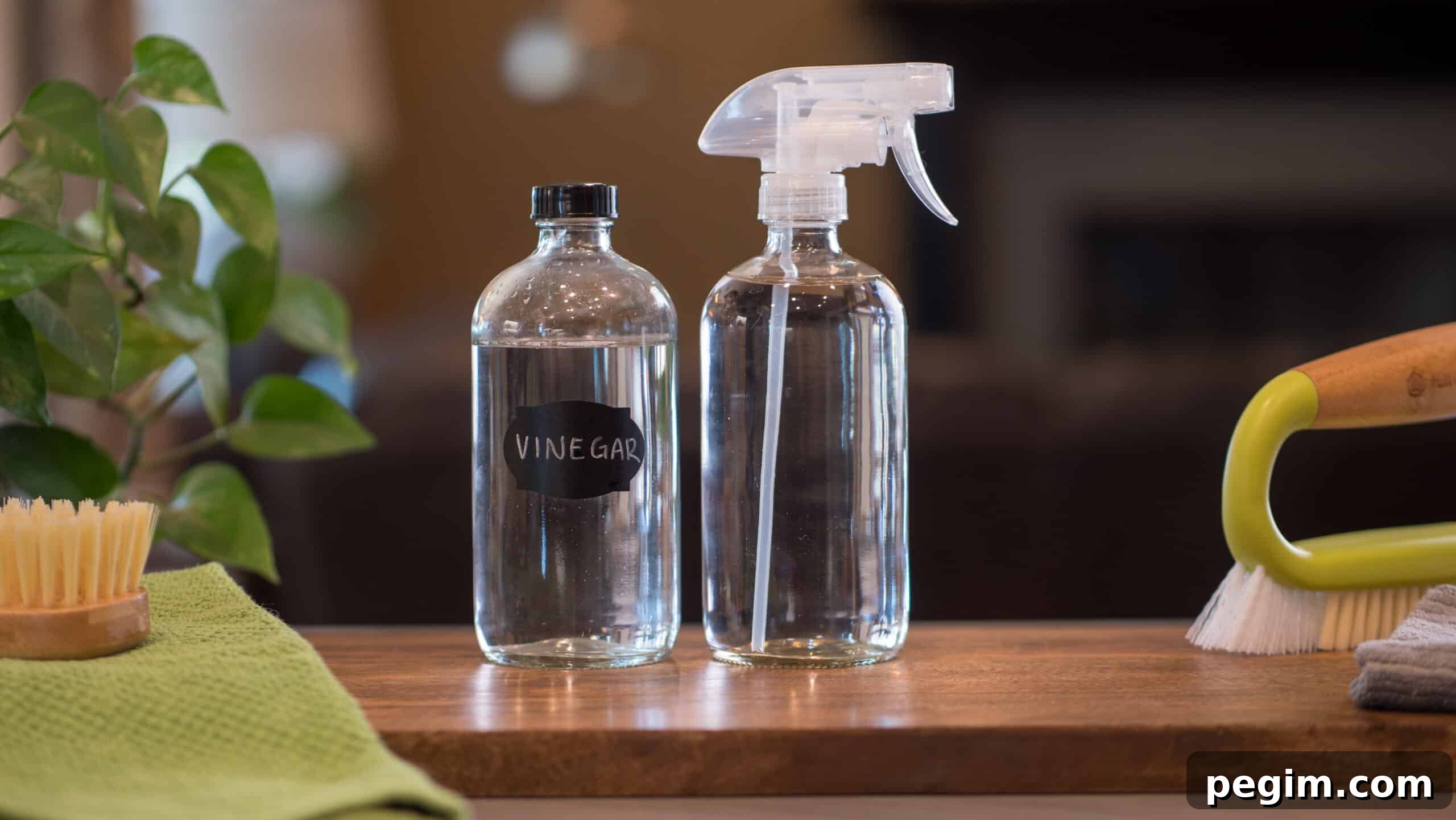
White vinegar dissolves soap scum effectively. Mix one cup (240 mL) of white vinegar with a quart (1 L) of water in a spray bottle, apply to the scummy area, and let it sit about five minutes—long enough to work, but not so long it dries. Rinse thoroughly with very hot water. For heavy buildup, repeat or increase the vinegar concentration. Avoid using vinegar on soft natural stones like marble, as it can etch the surface.
The scouring method
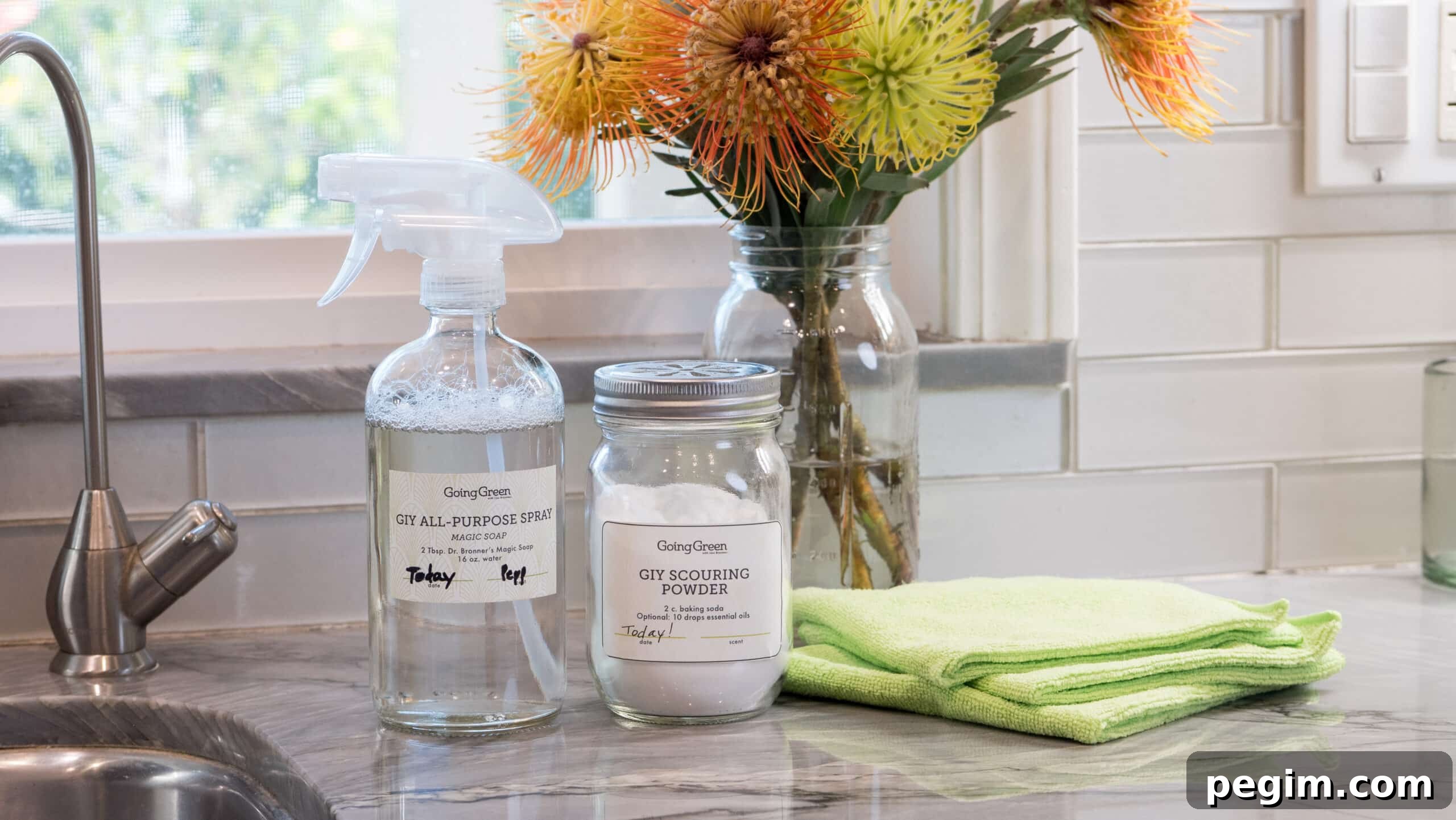
For tougher scum, abrasion works well. Spray the area with an all-purpose cleansing spray and then sprinkle a generous layer of baking soda. Using a washcloth or non-scratch scrubber, scour the surface to remove the residue, then rinse with very hot water. The spray helps loosen grime and the baking soda provides gentle abrasive action without harsh chemicals. This combination is effective on most sinks, tubs, and shower surfaces.
The DIY soft-scrub method
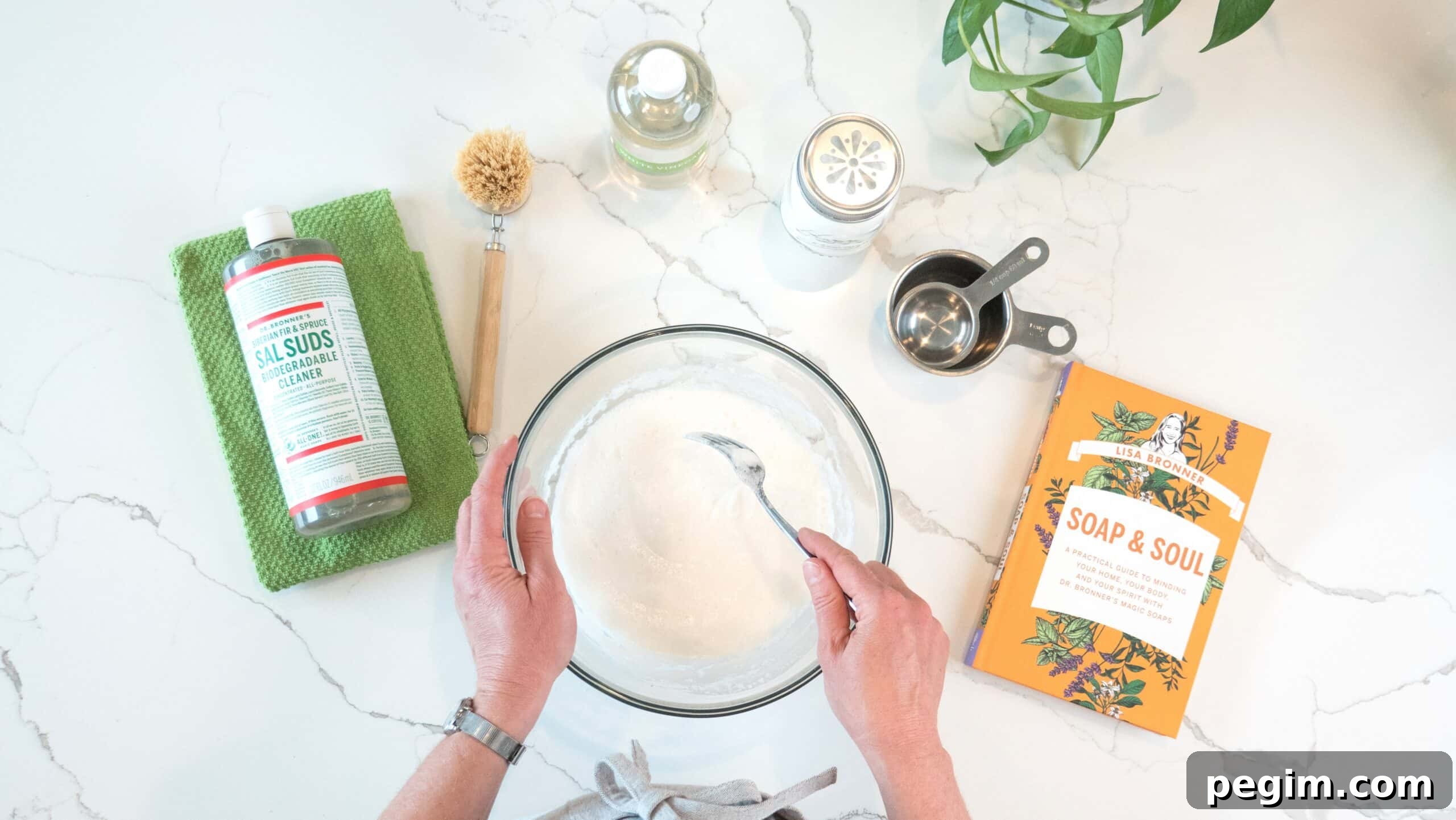
A homemade soft-scrub paste clings to vertical surfaces and provides both cleaning solution and mild abrasion. Combine liquid castile soap, baking soda, a small amount of white vinegar, and water to form a thick paste. Apply to shower walls or tub sides, let it sit briefly, then scrub and rinse. This method takes a little preparation but is excellent for stubborn areas because the paste stays in place and works longer than a quick spray.
How to prevent soap scum
Prevention is simple and effective: remove water before it dries on surfaces. Soap scum forms when dissolved minerals are left behind as water evaporates. For large, flat areas—especially glass shower doors—use a squeegee after each shower to remove water and prevent mineral salts from settling. It takes a few seconds and significantly reduces future cleaning effort.
For ongoing maintenance I usually alternate between the dissolving method and the soft-scrub paste. Both approaches also help reduce bacteria and germs on surfaces; vinegar has some antimicrobial action, but soap combined with scrubbing cleans more thoroughly. A little regular effort keeps scum from becoming a stubborn problem—and for those of us who enjoy scrubbing, it’s oddly satisfying.
Further reading
- Why vinegar and castile soap don’t mix well
- 13 essential green cleaning ingredients
- Dilutions cheat sheet for liquid castile soap
- Sal Suds dilution cheat sheet